THE SEE
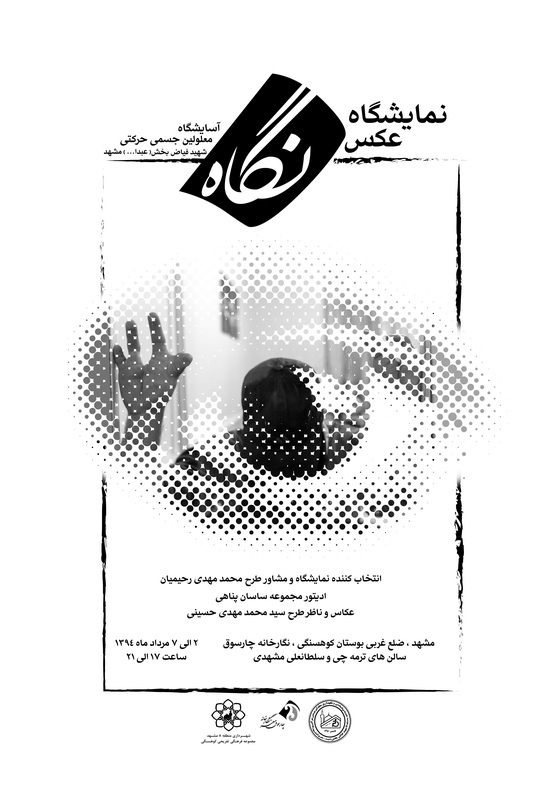
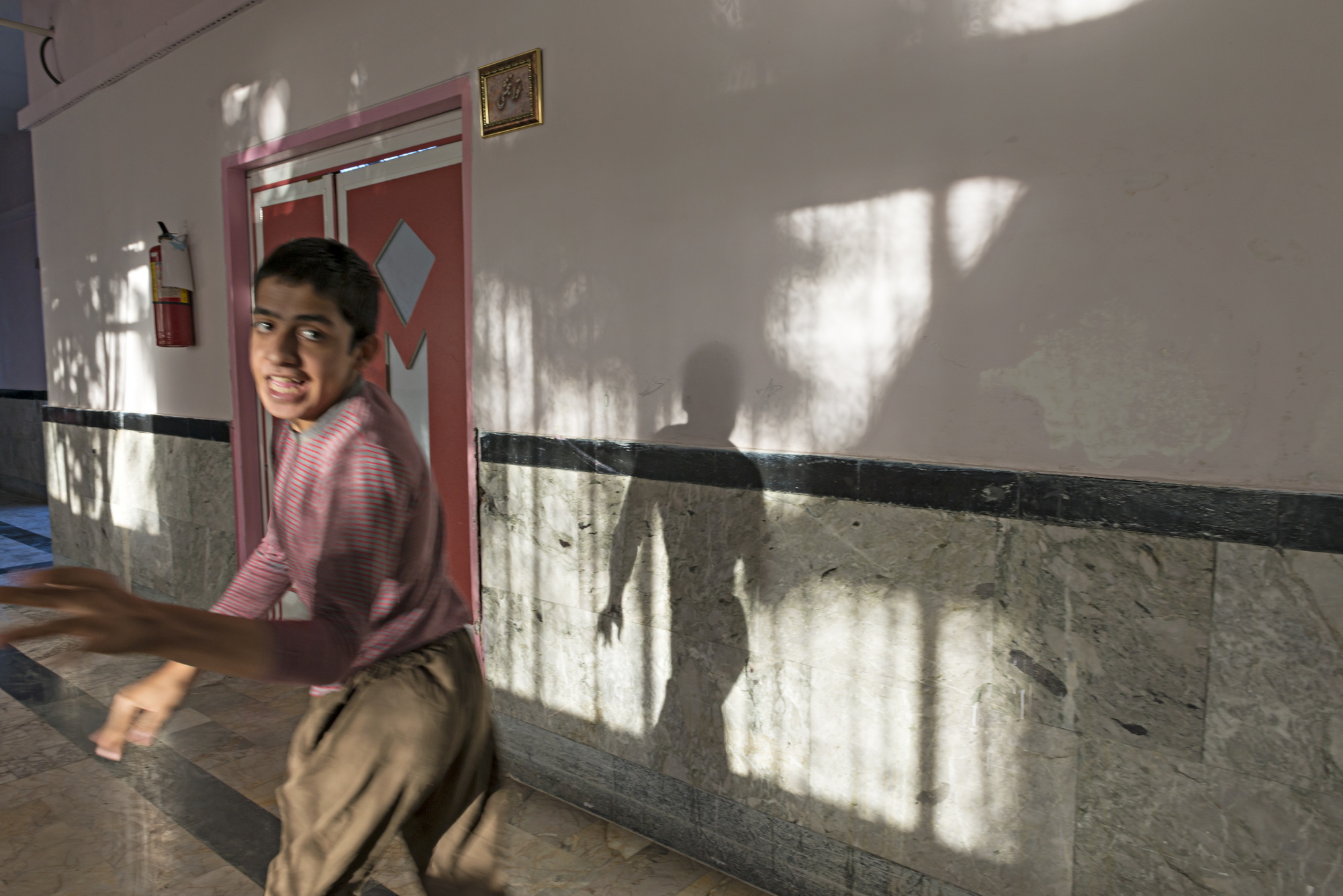
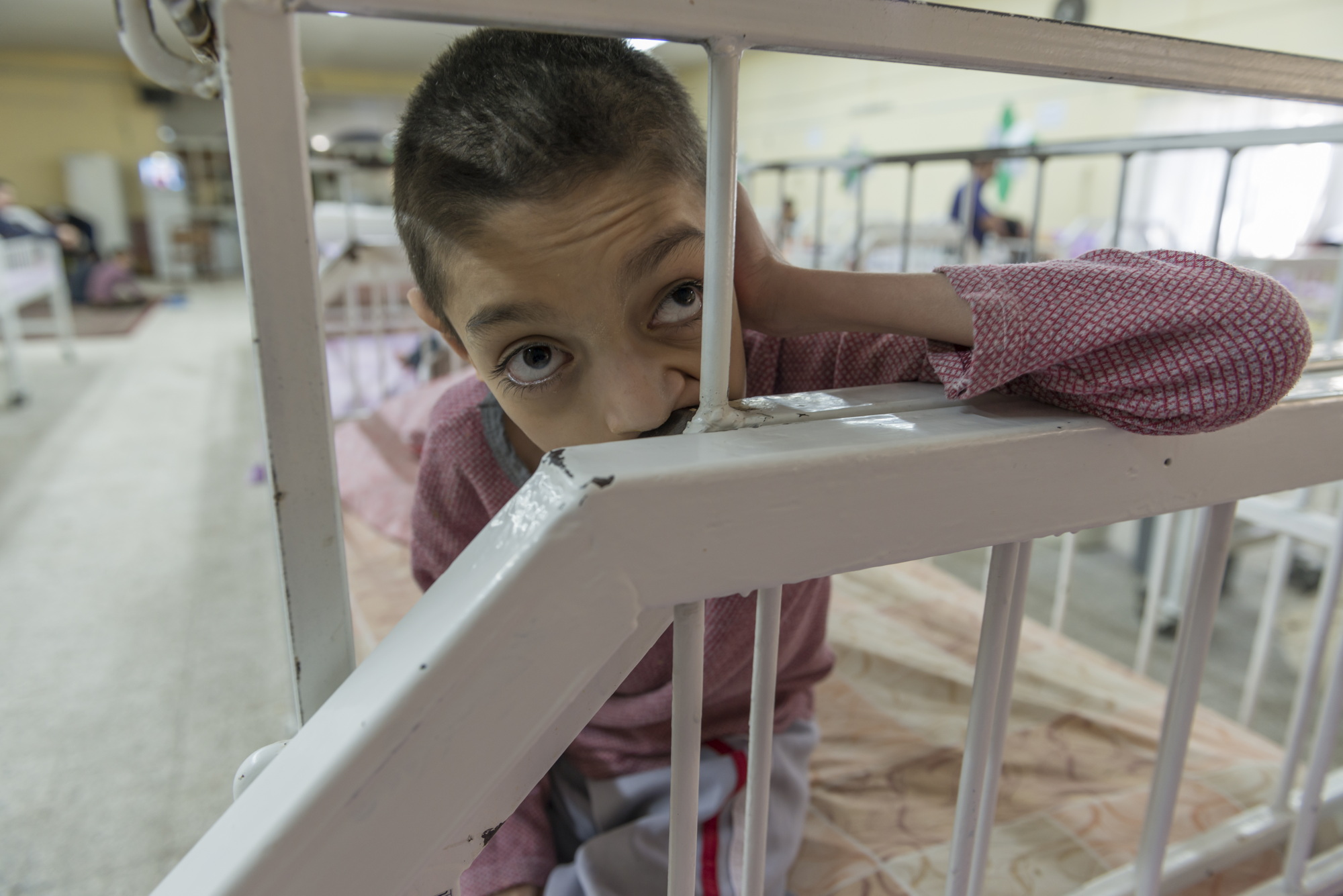
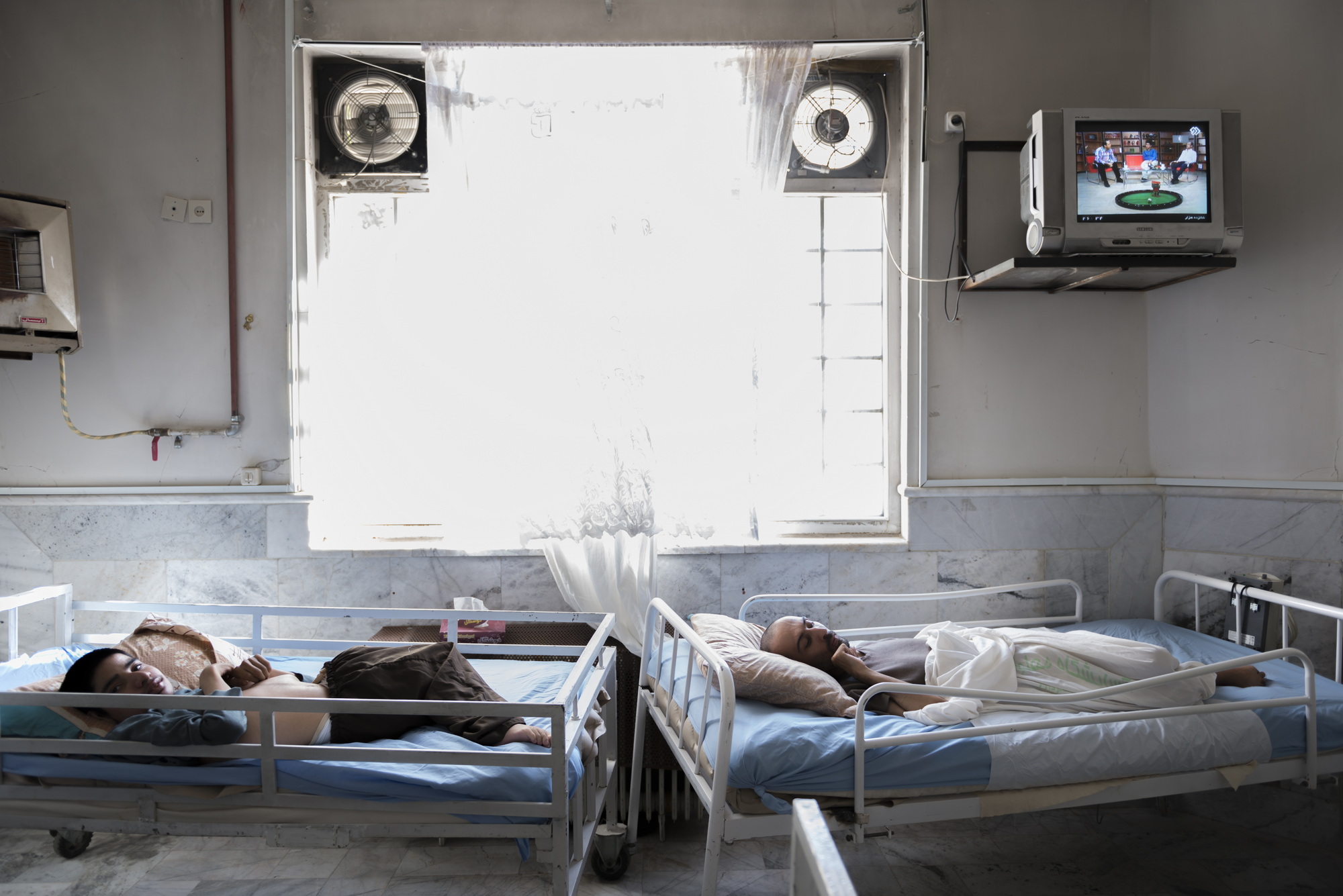
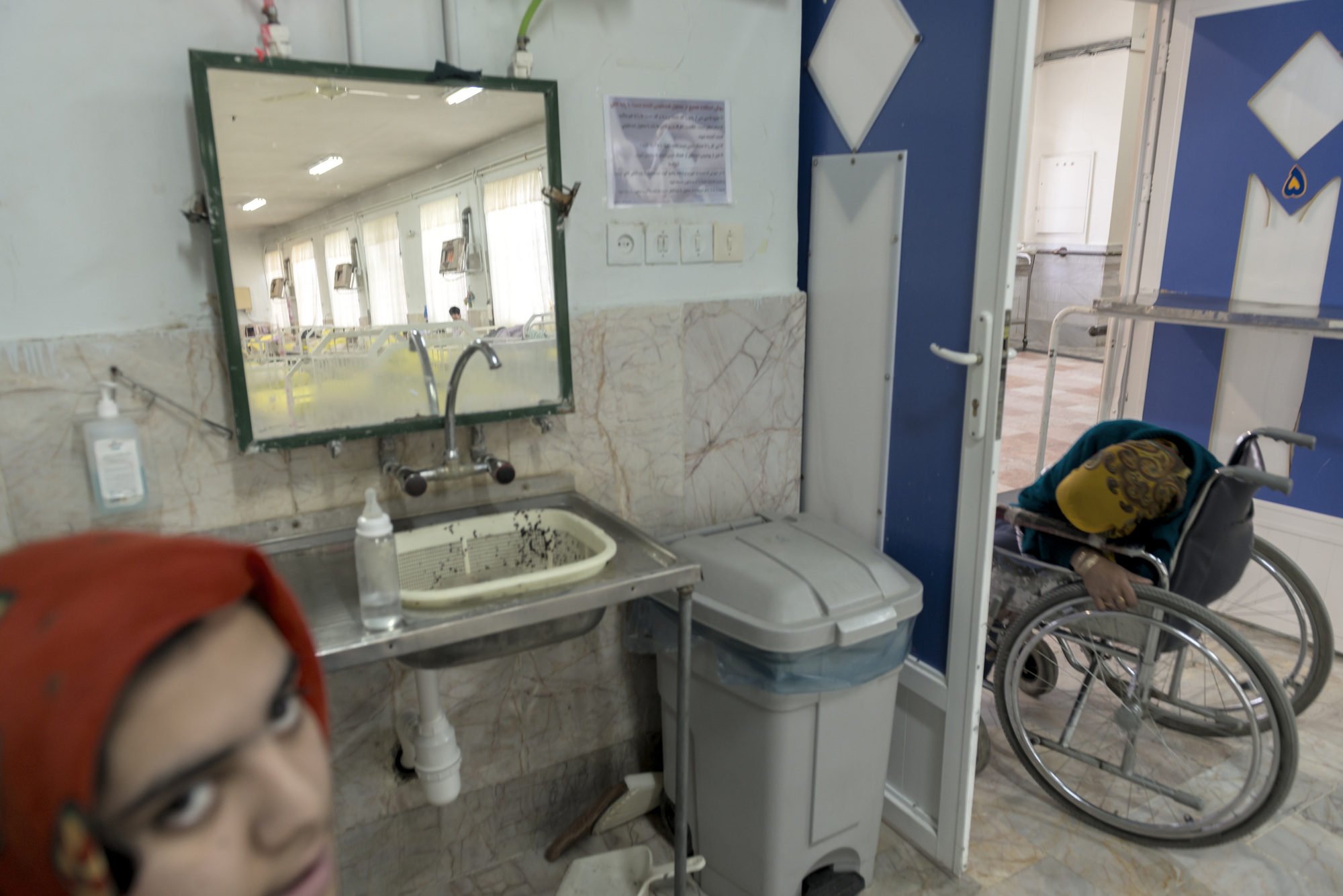
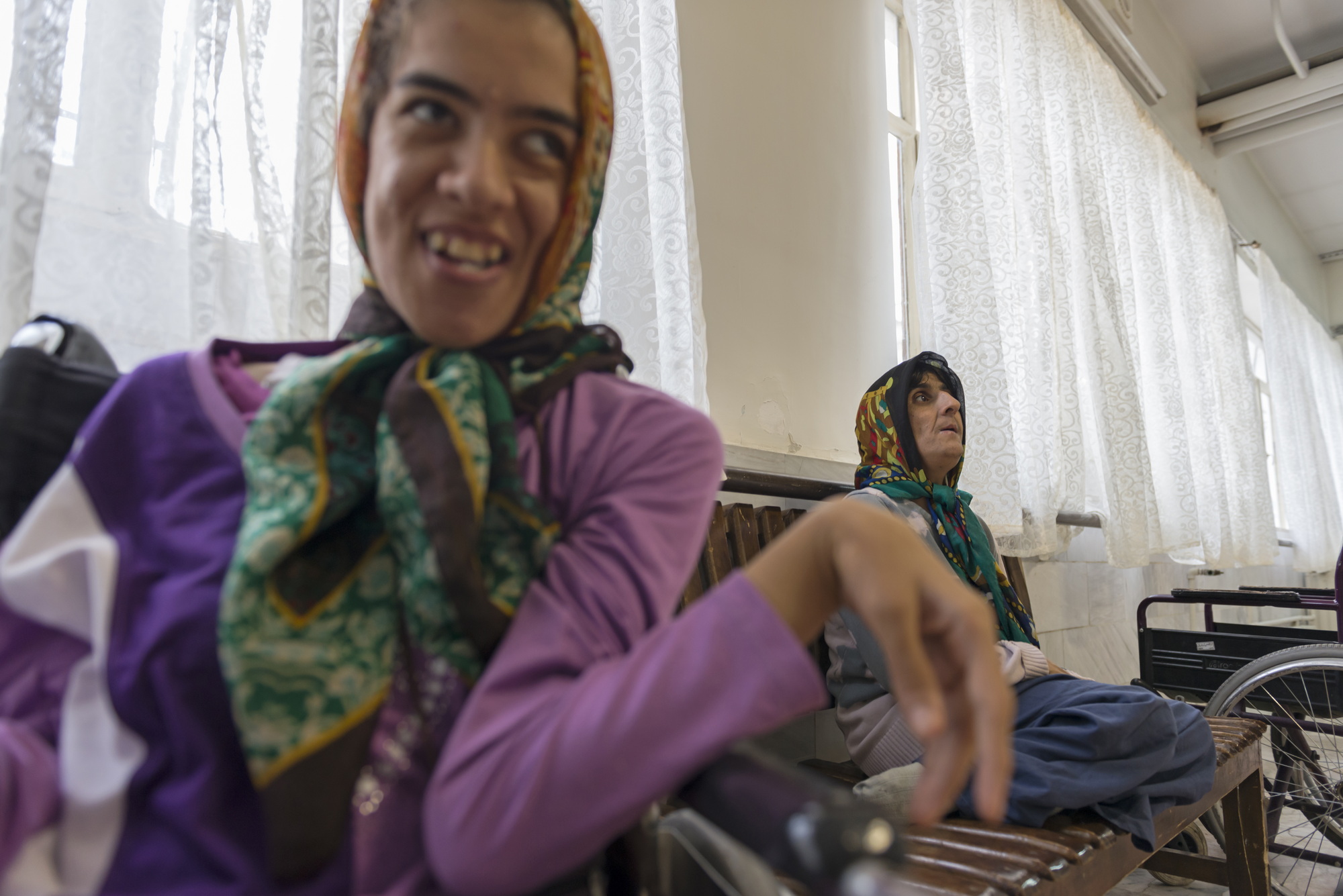
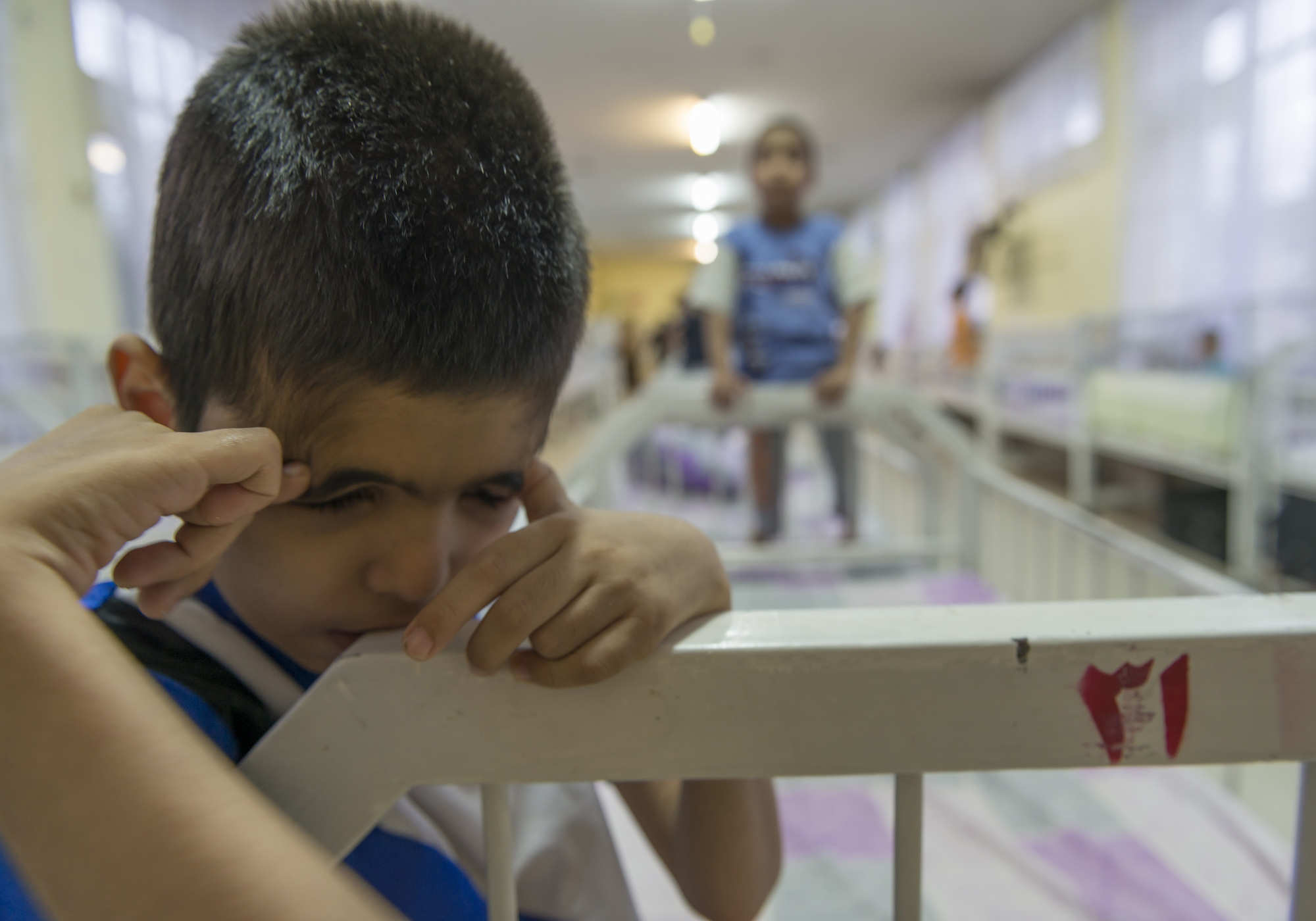
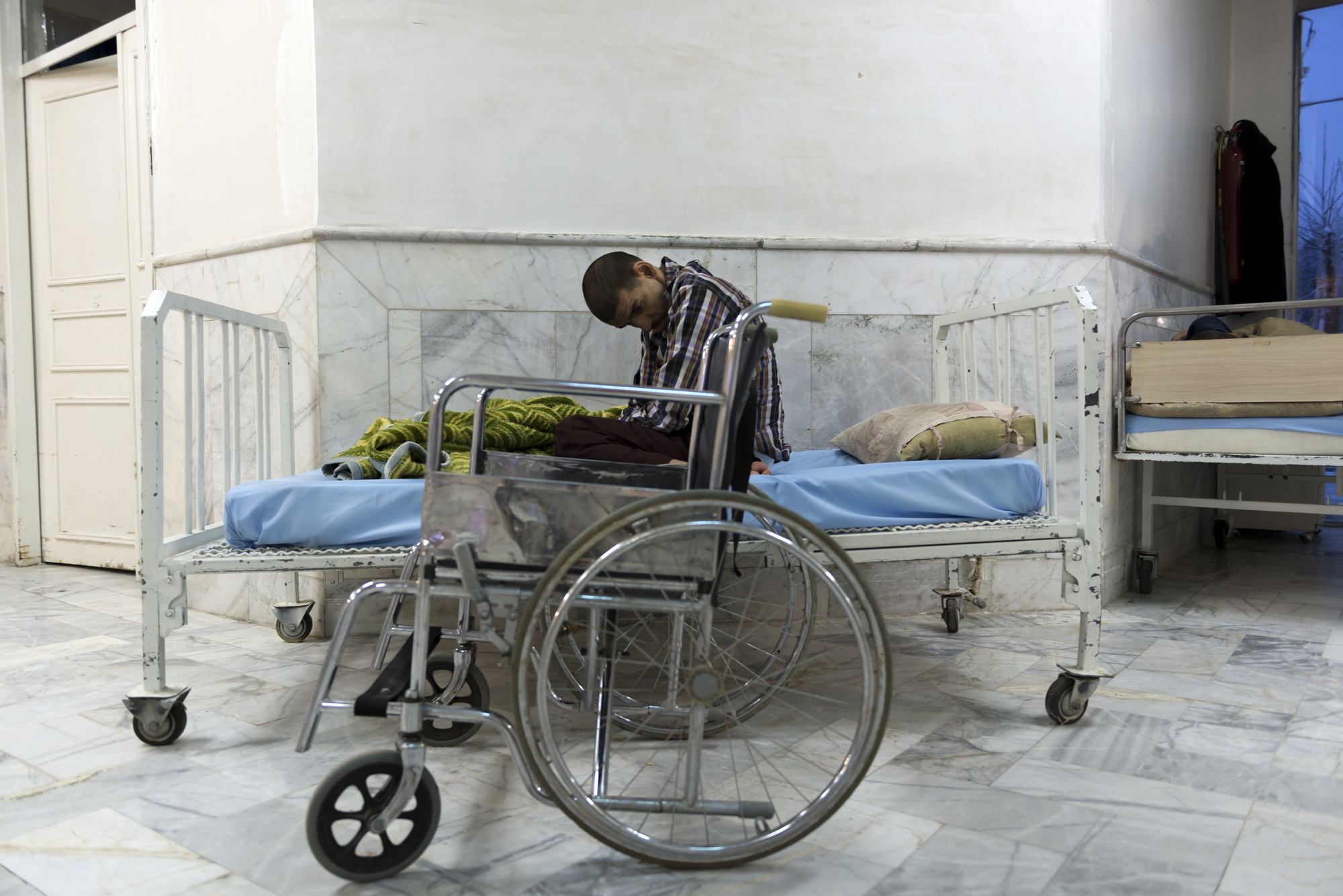
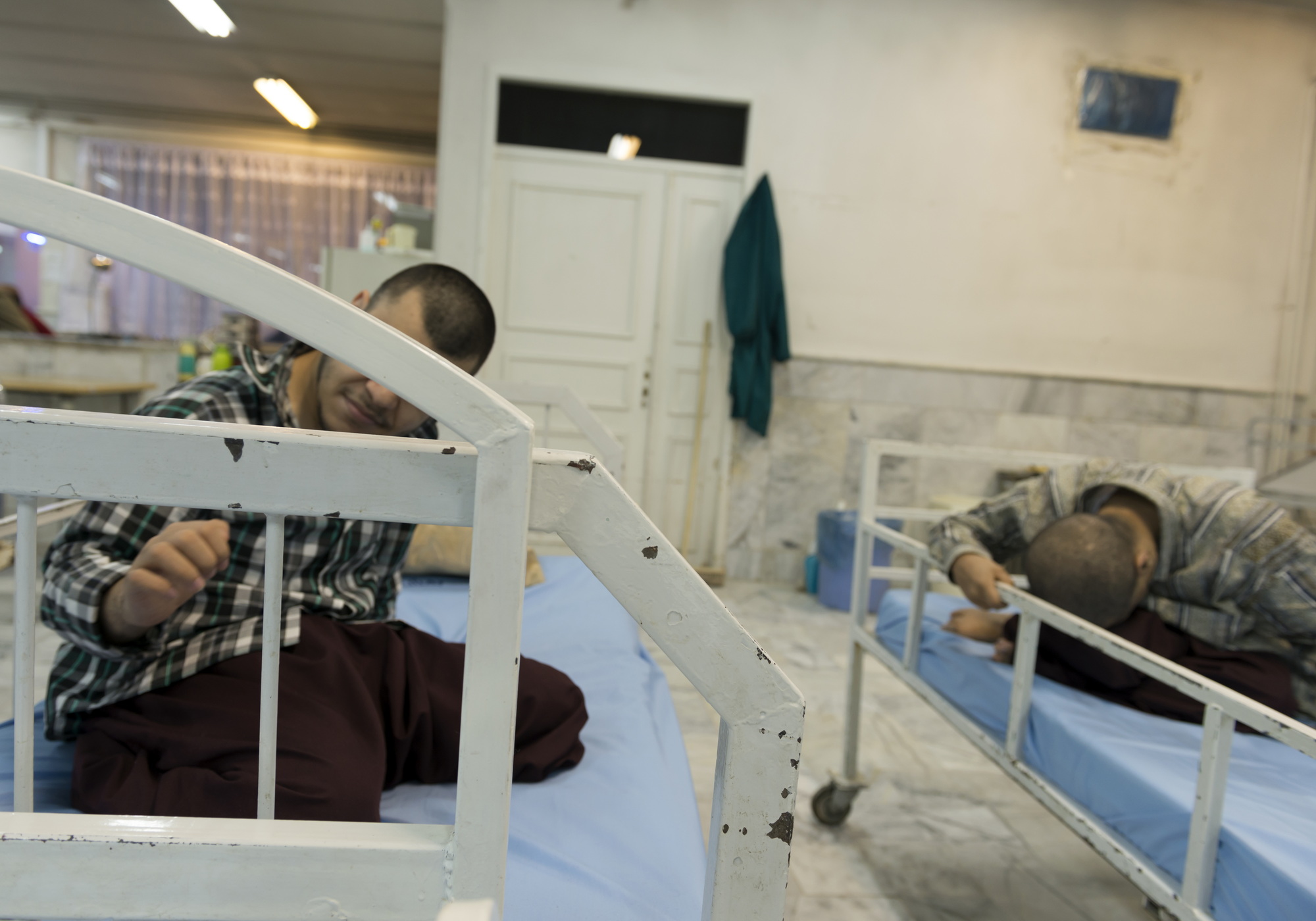
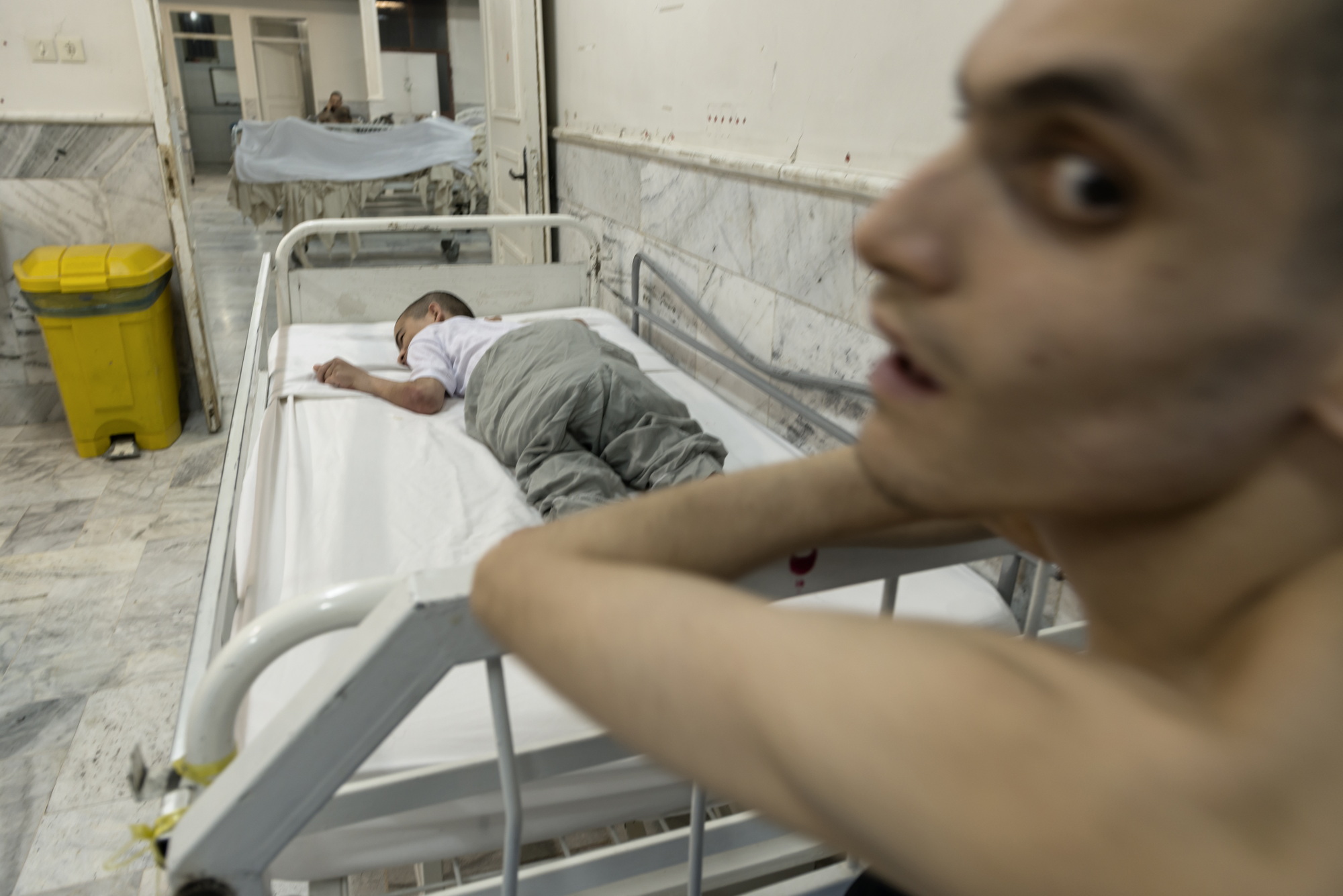
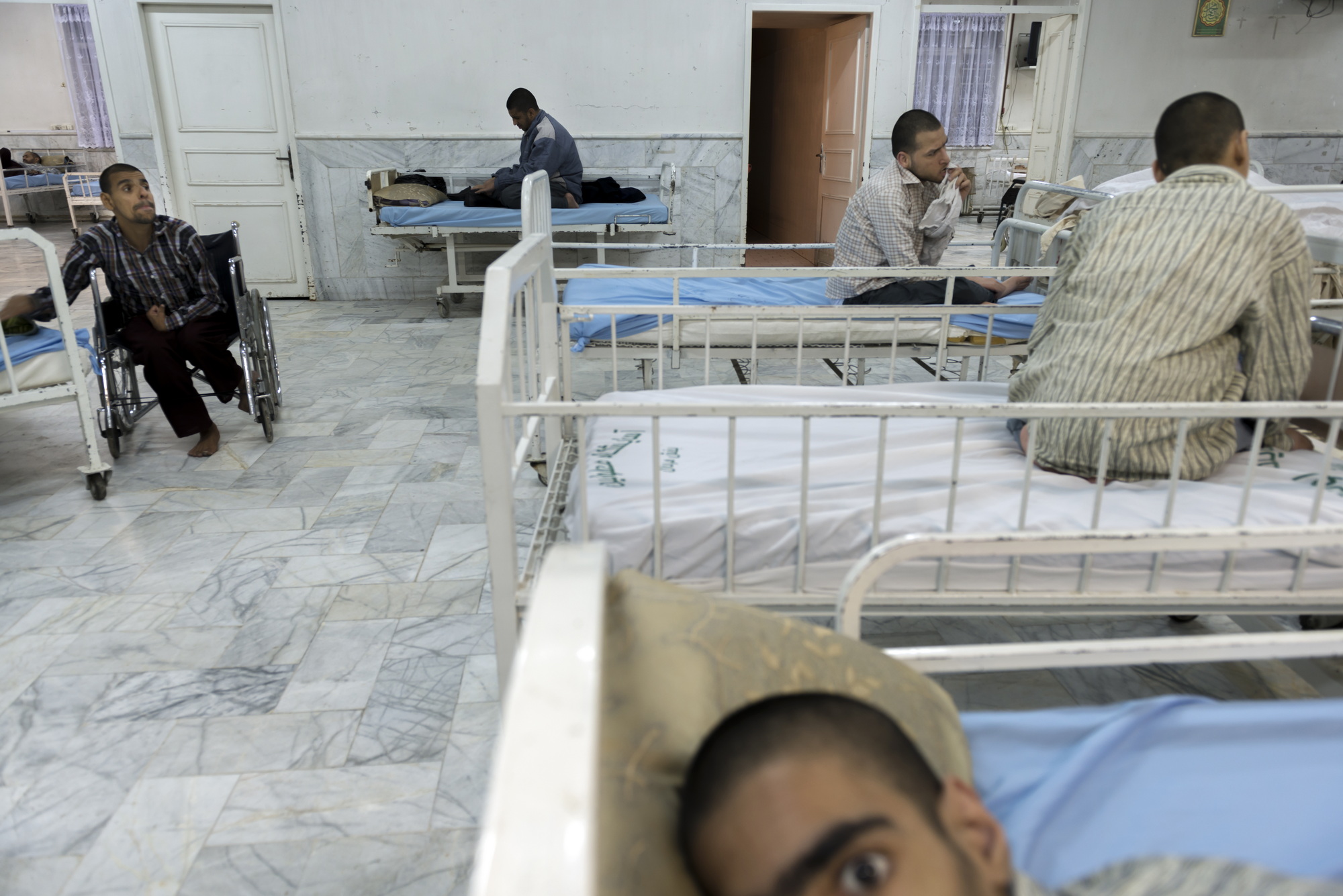
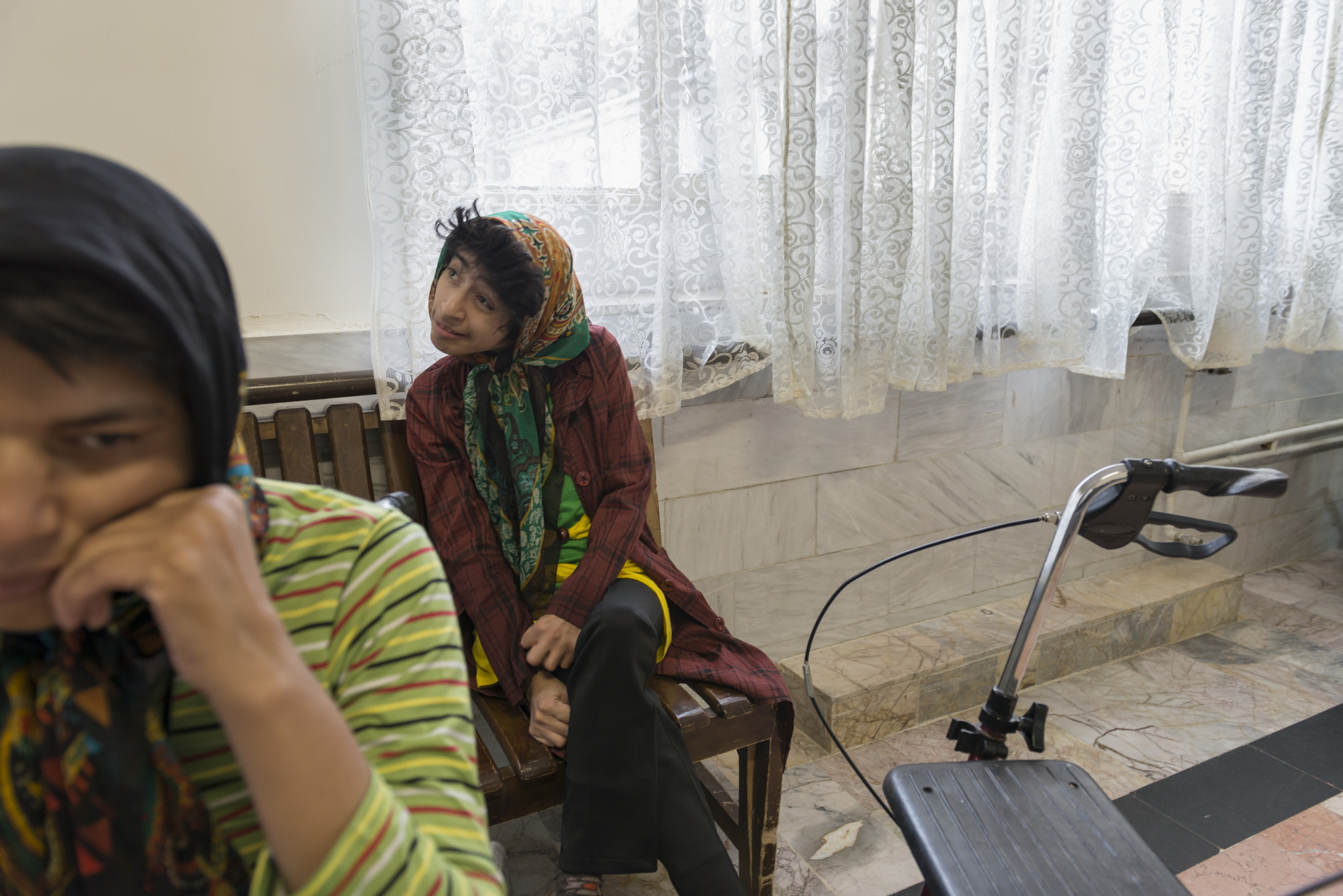
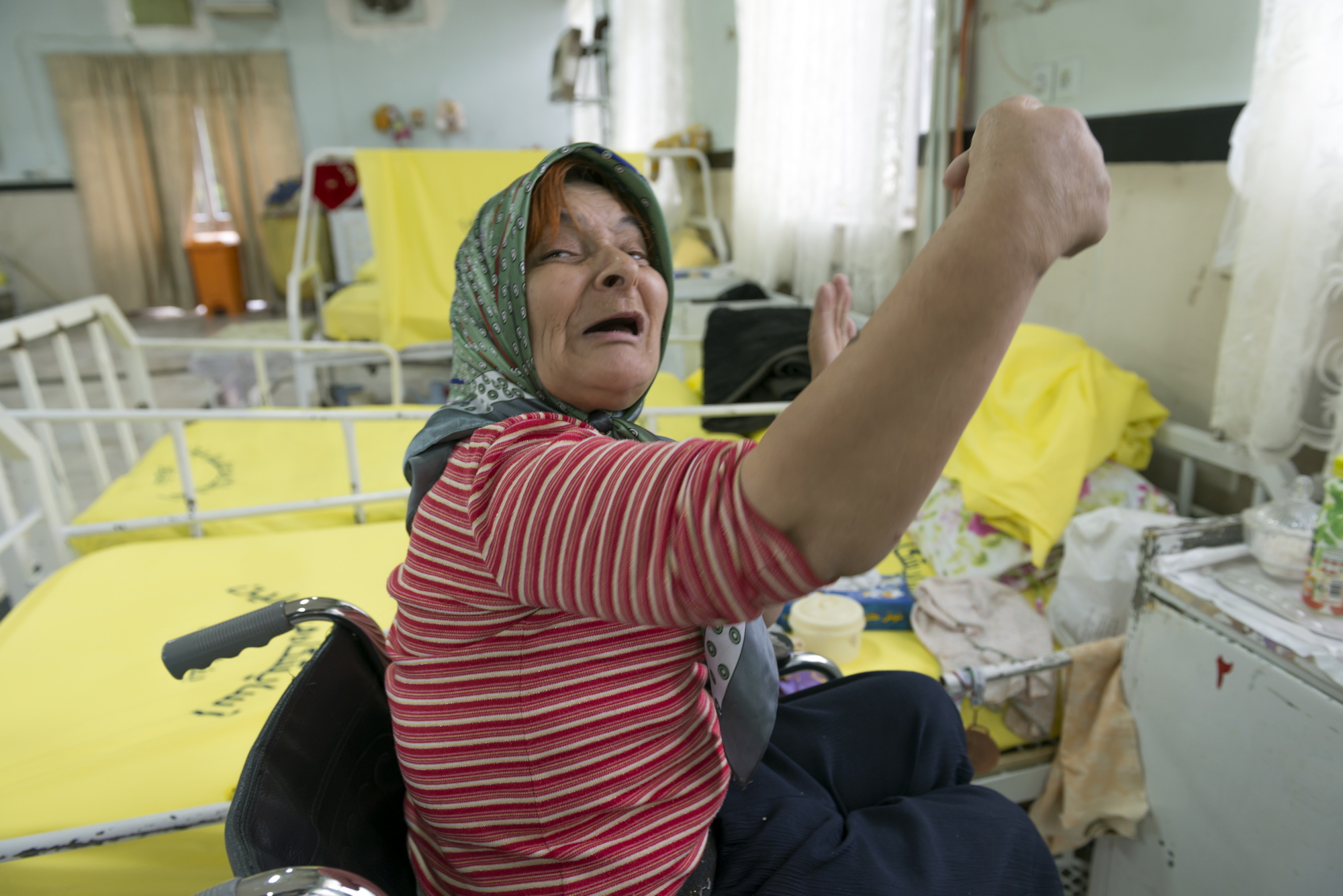
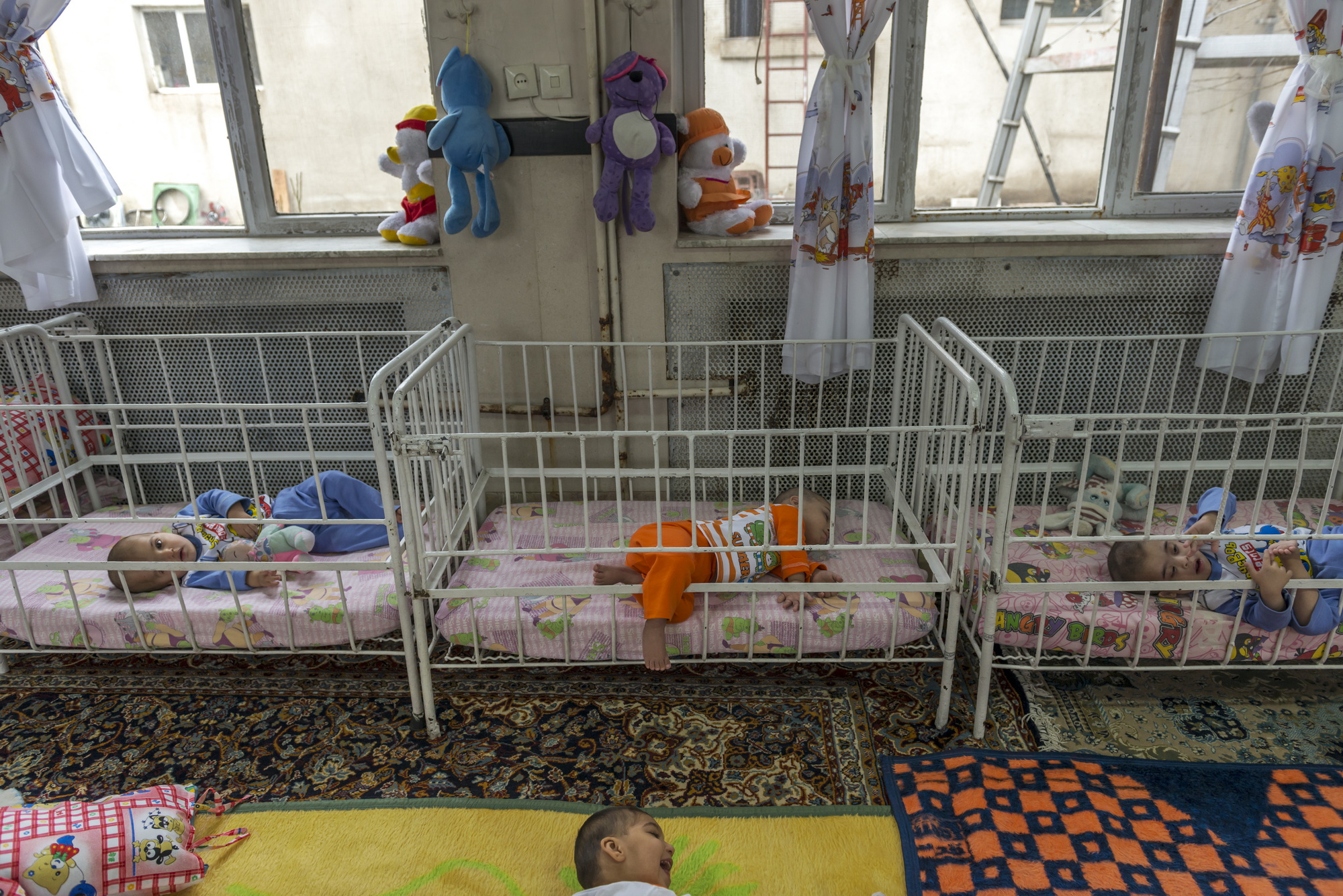
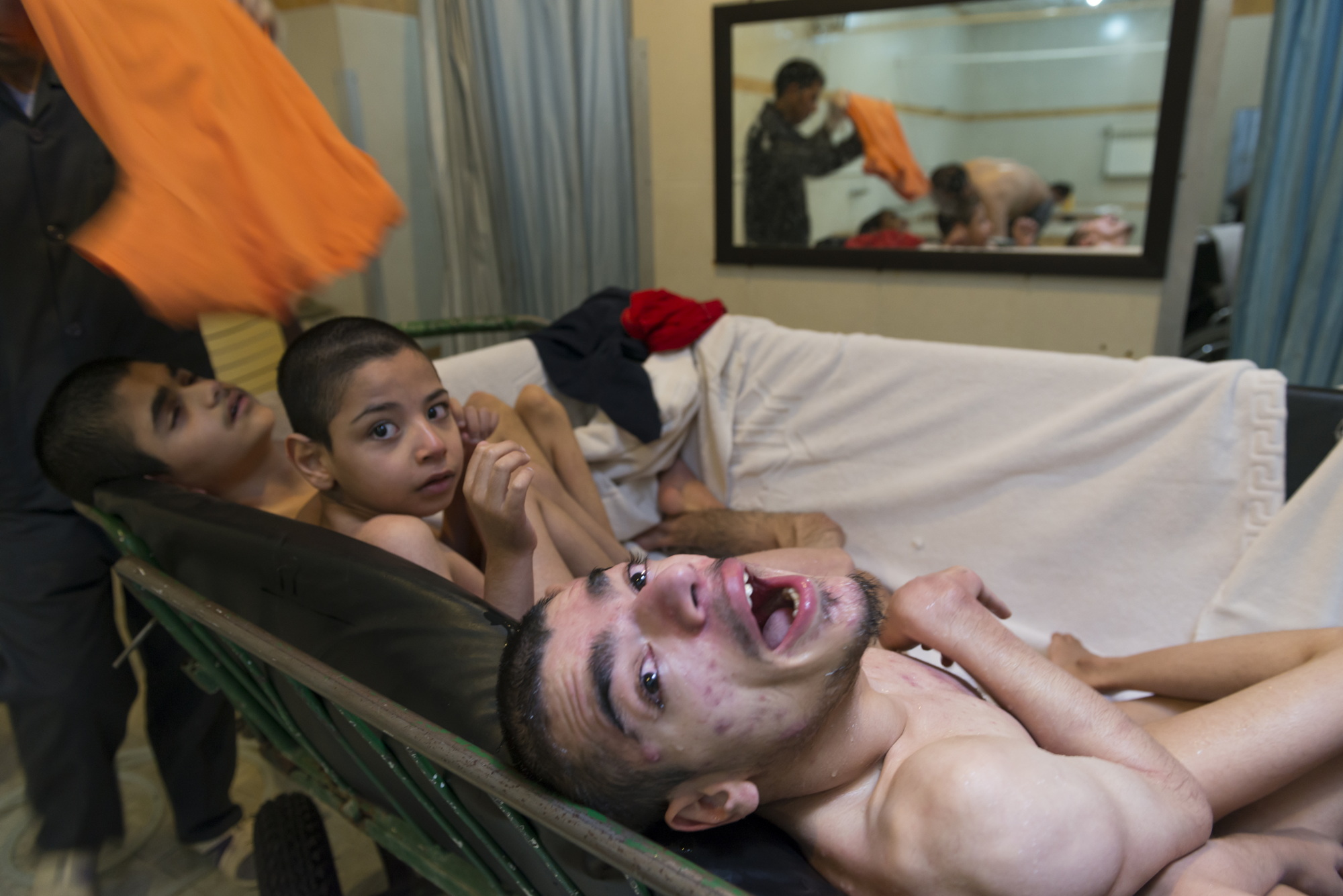
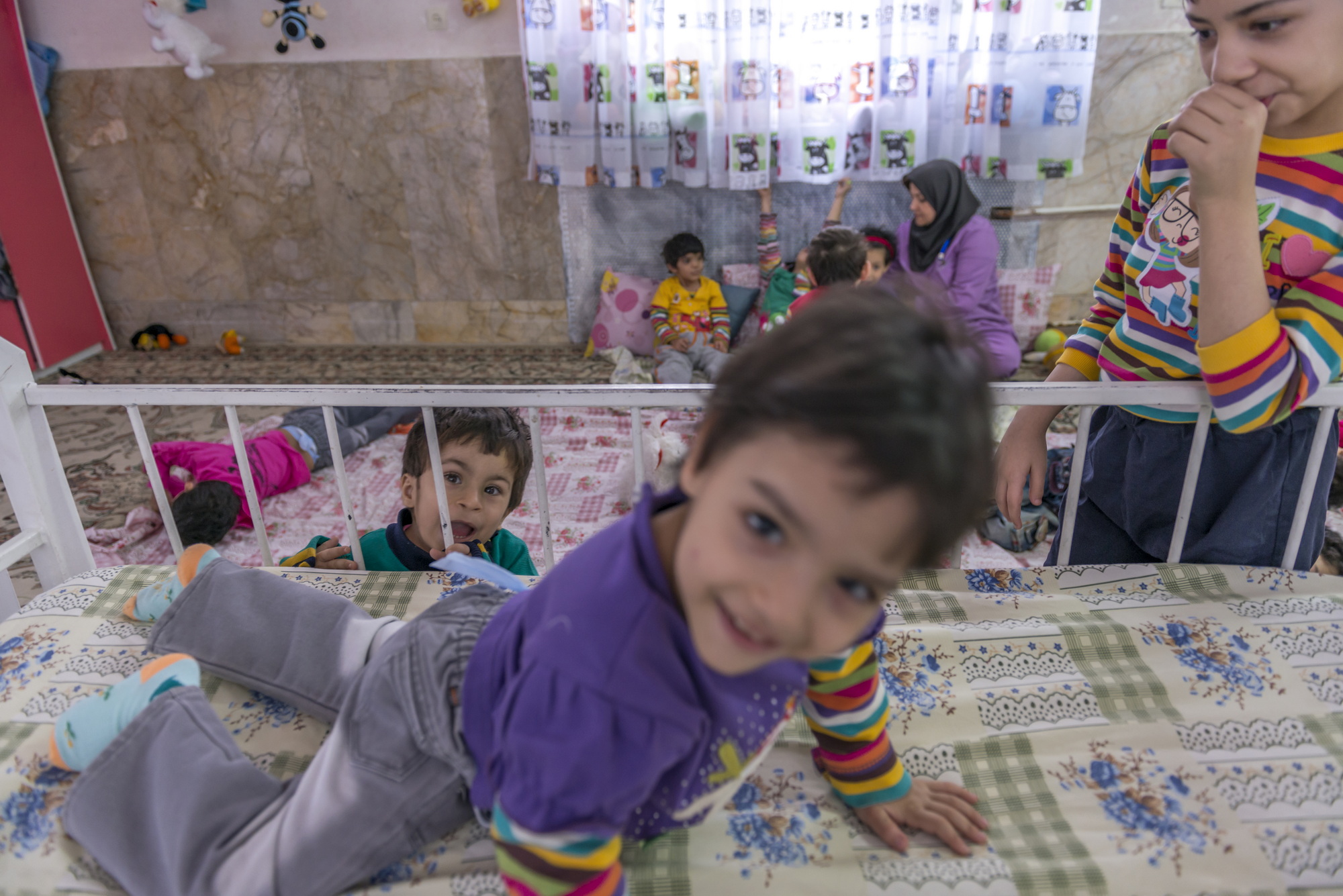
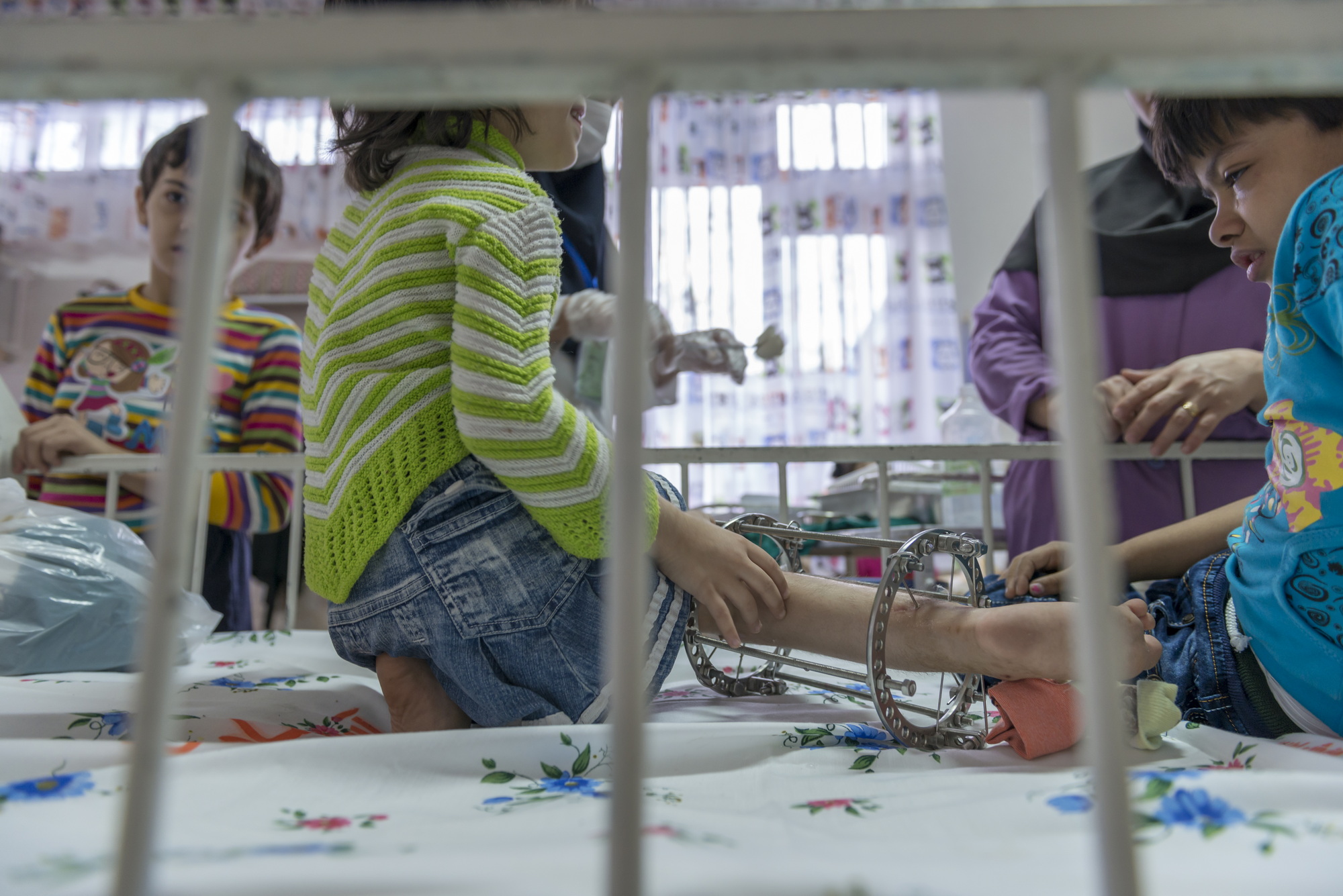
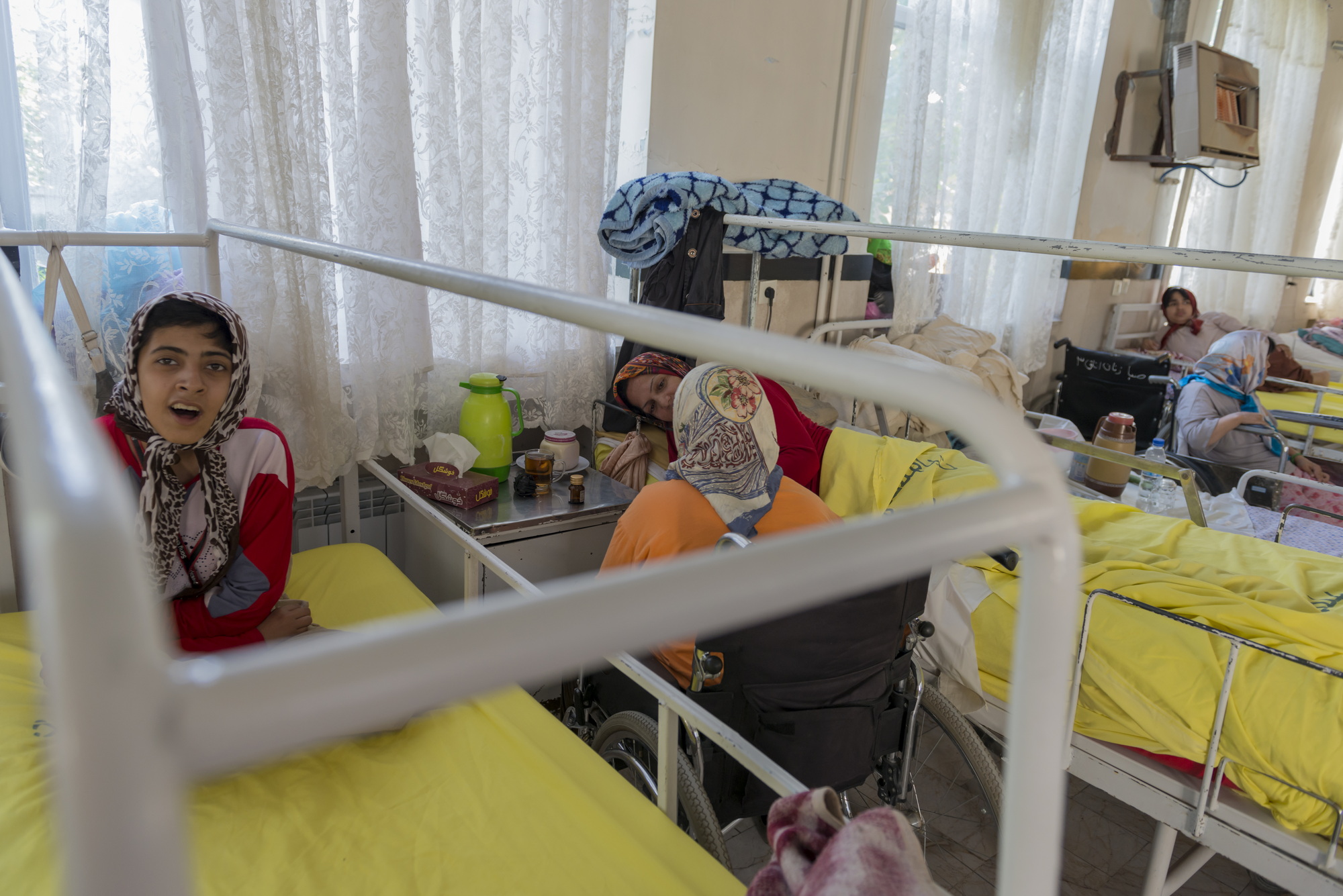
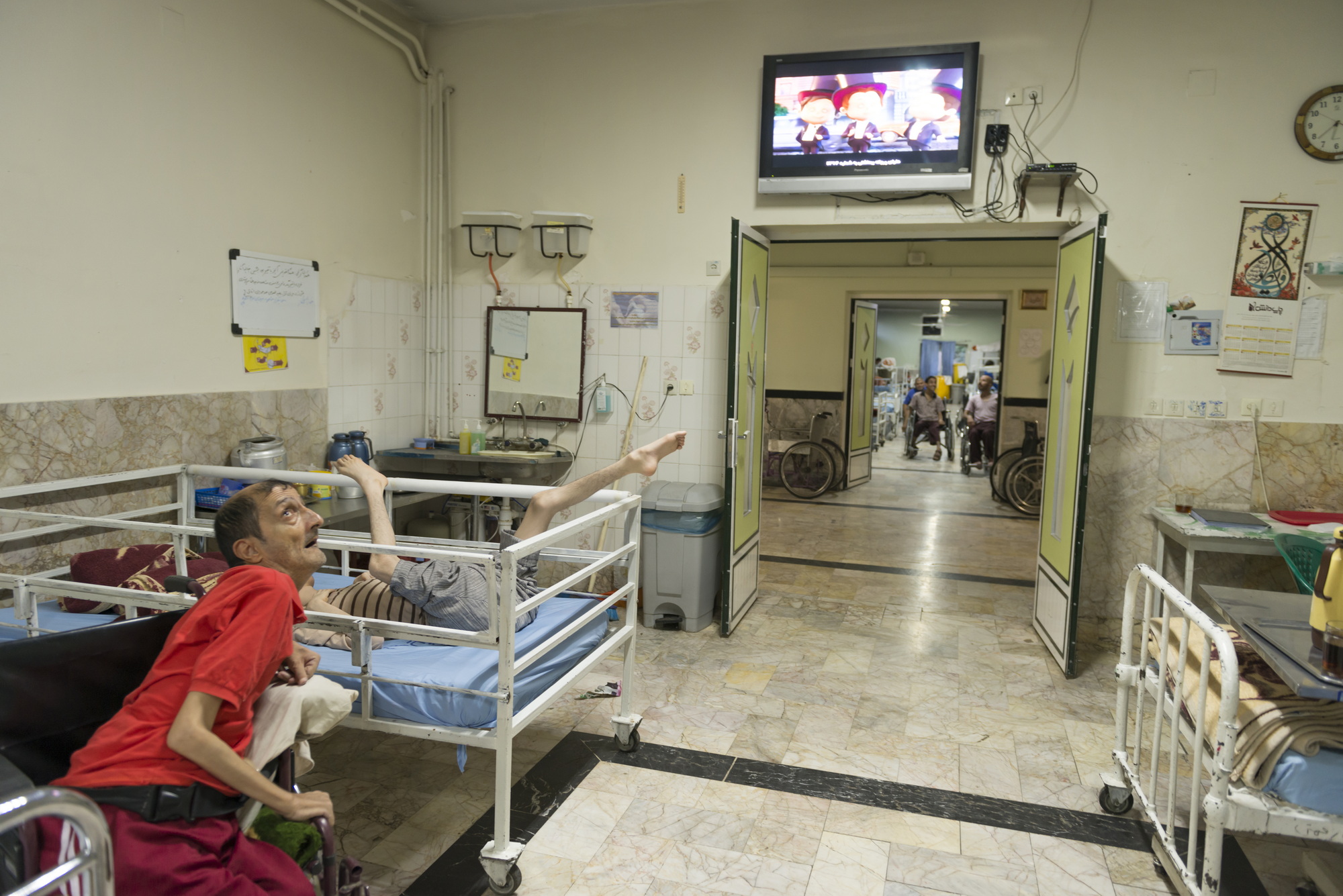
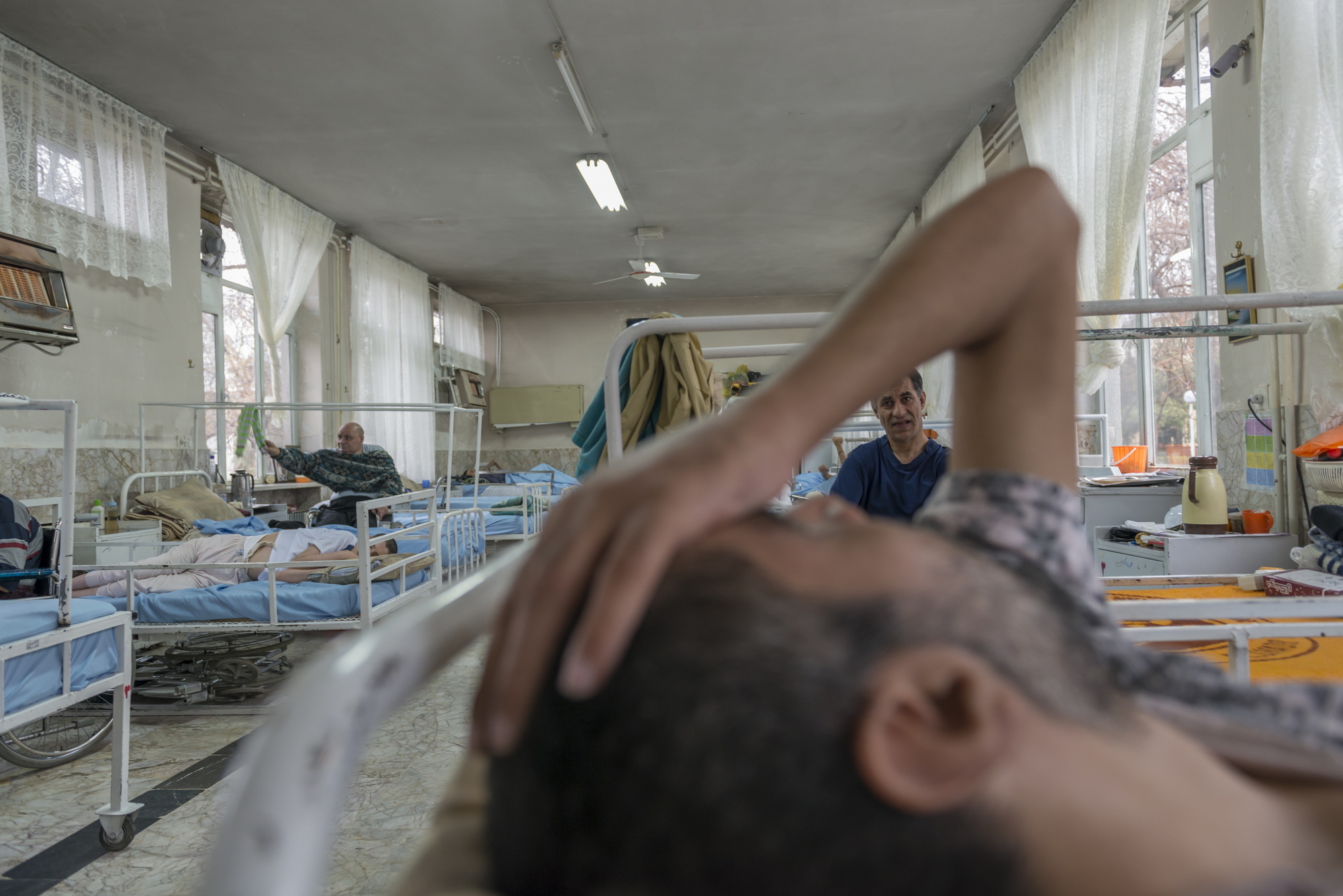
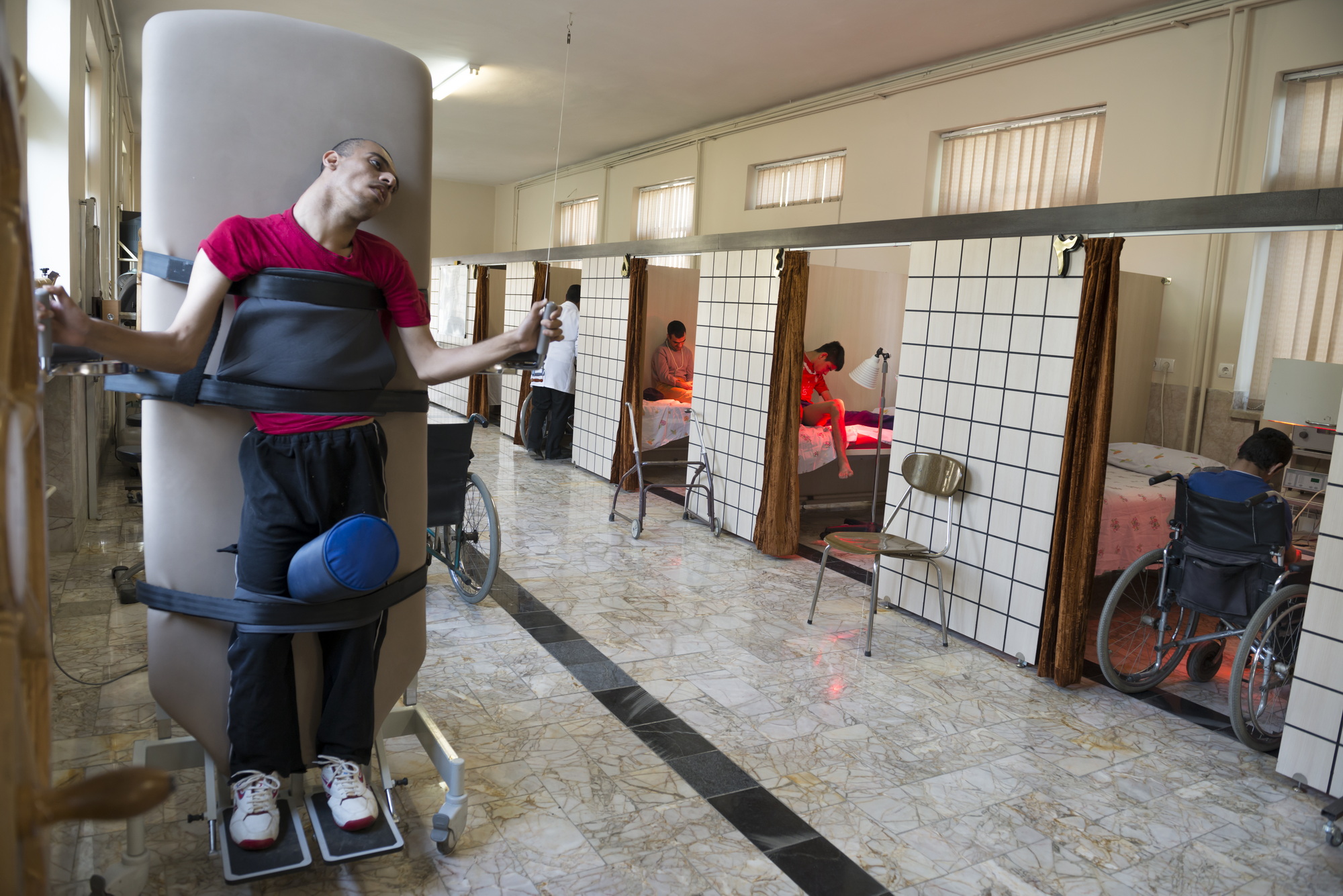
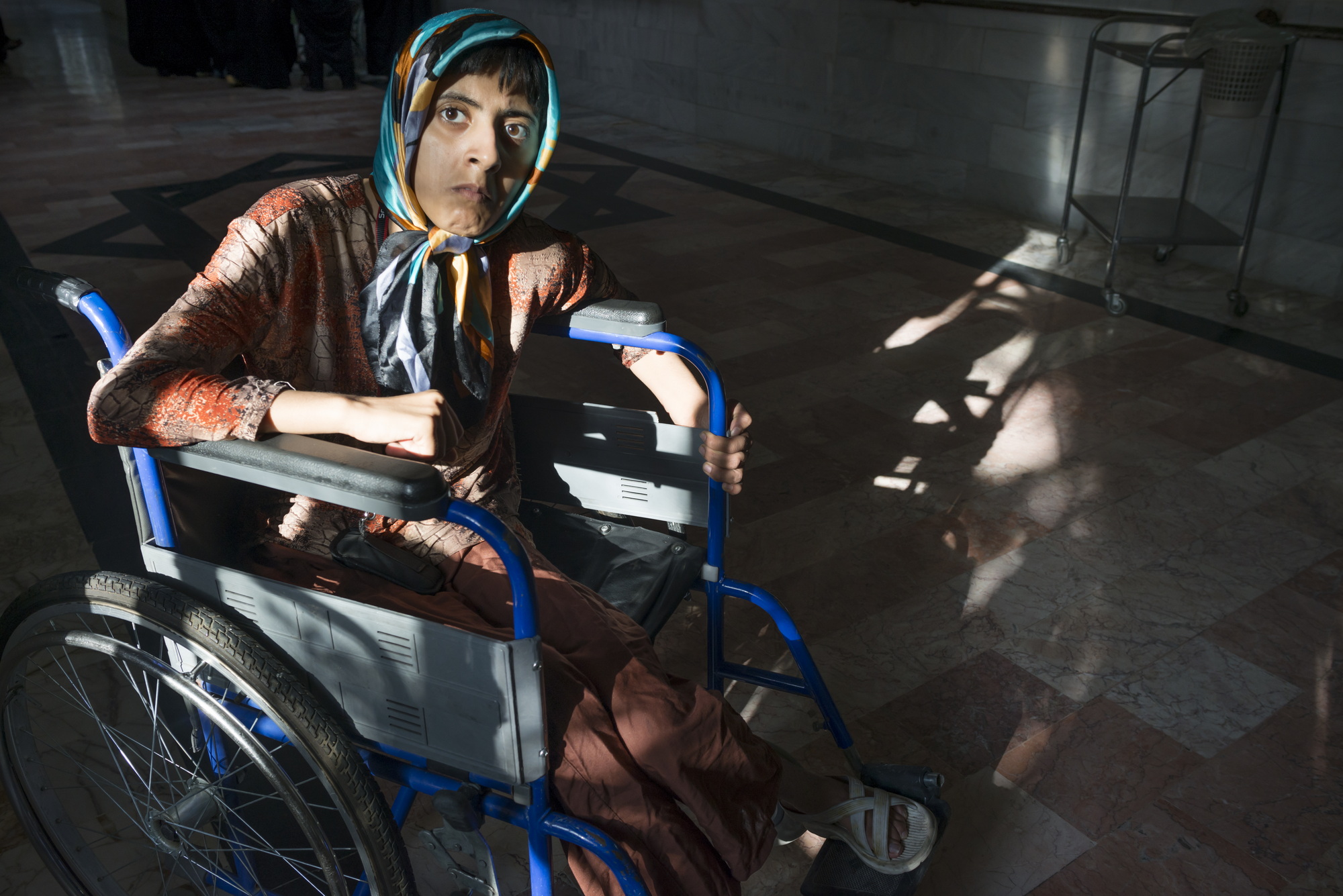
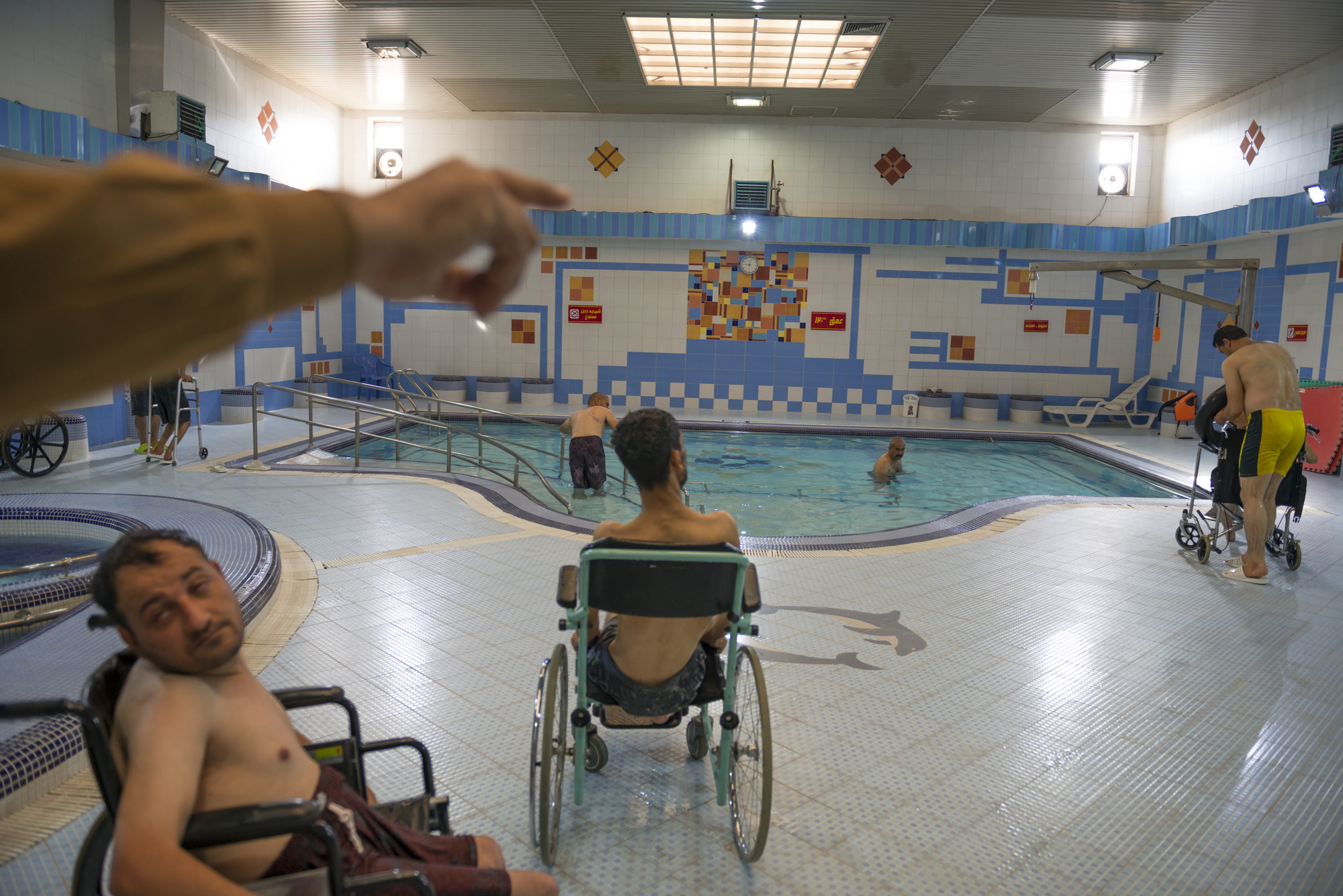
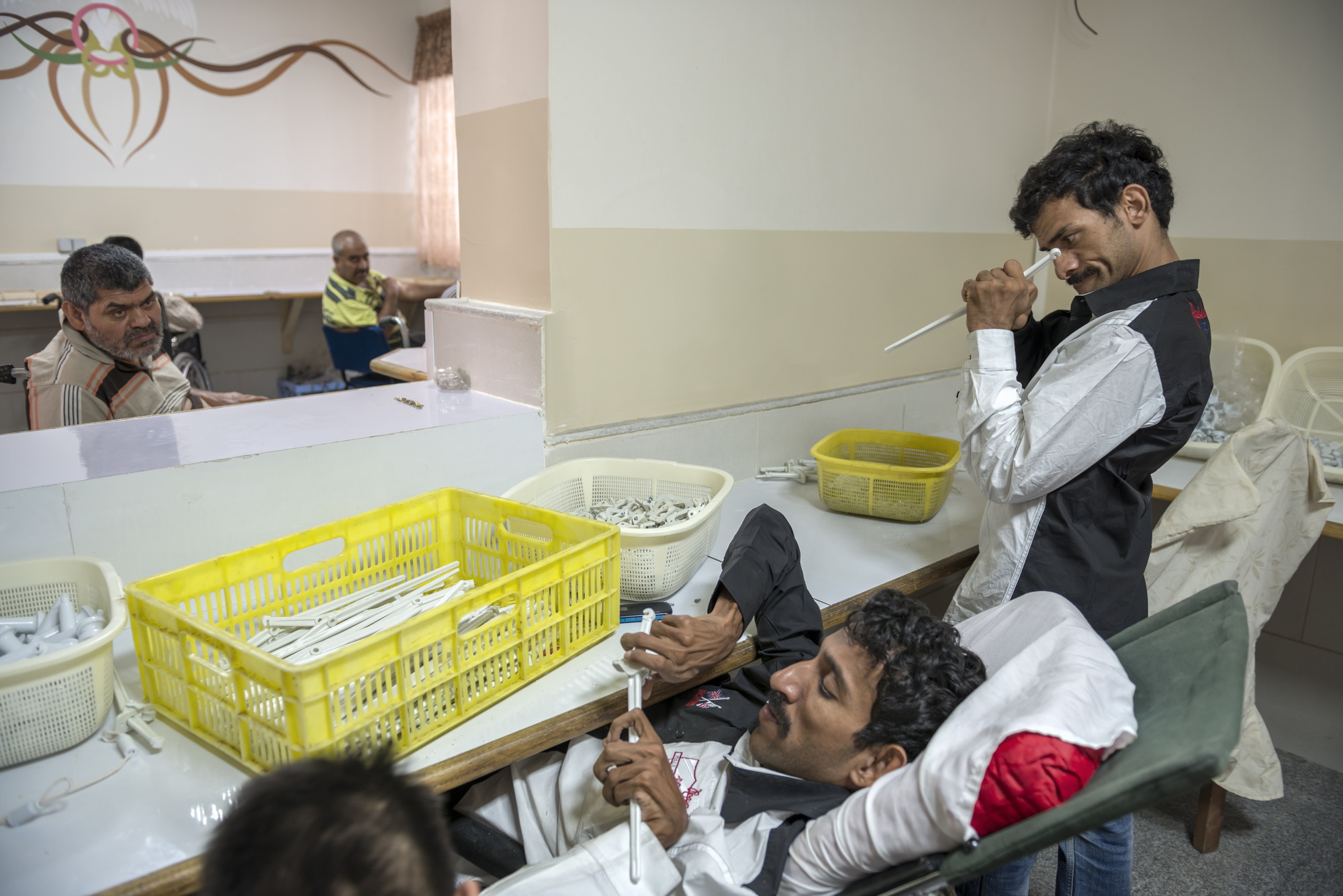
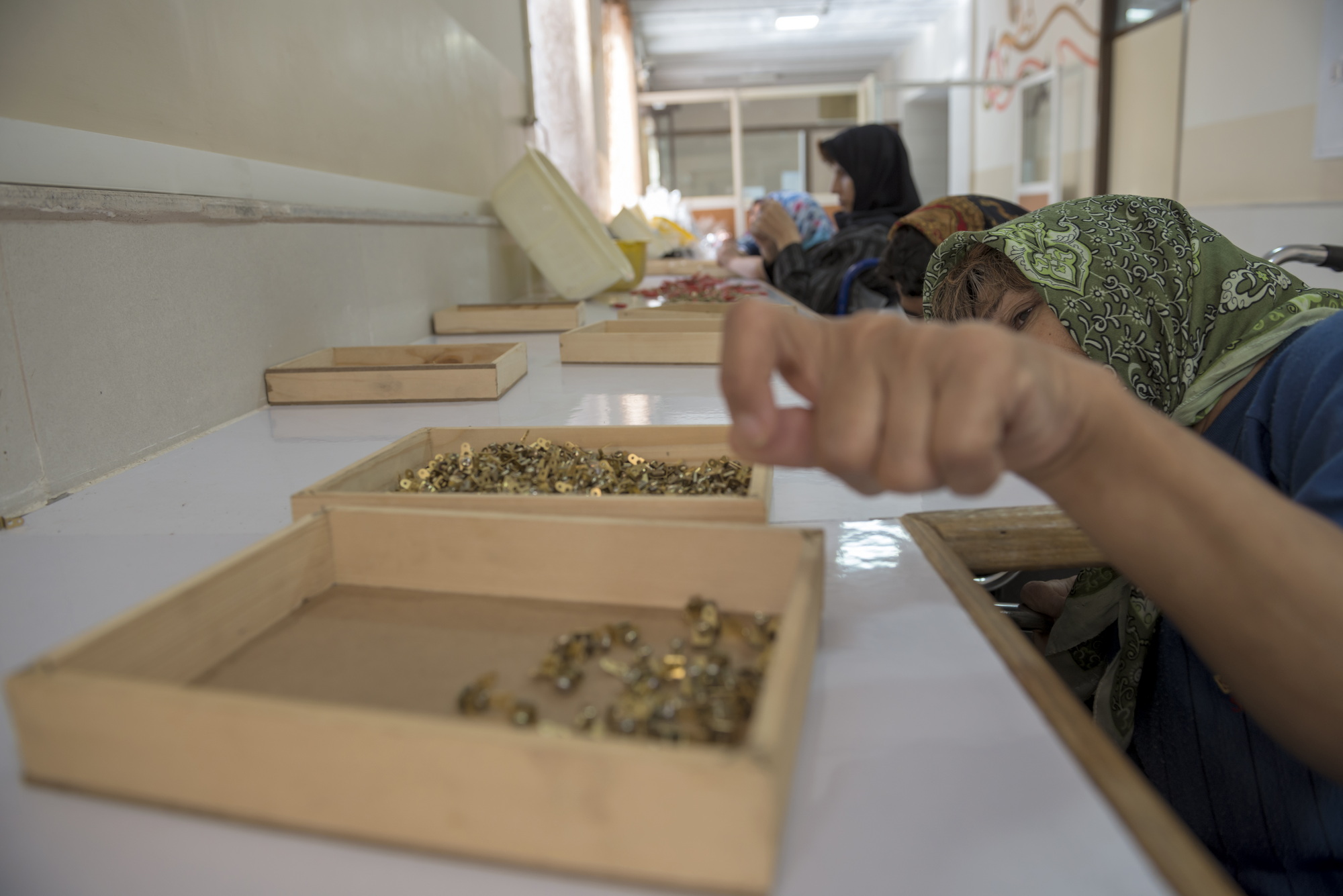
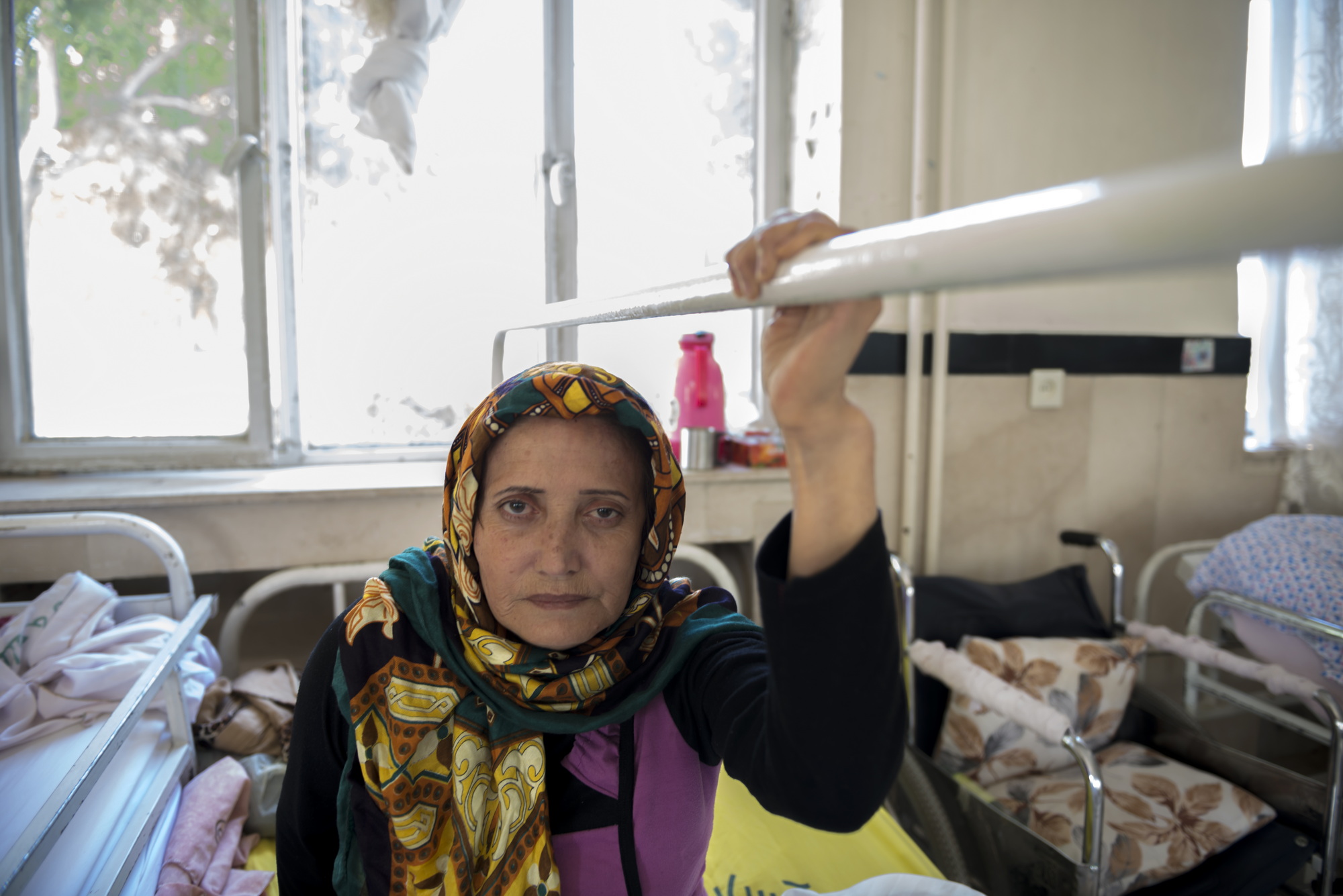
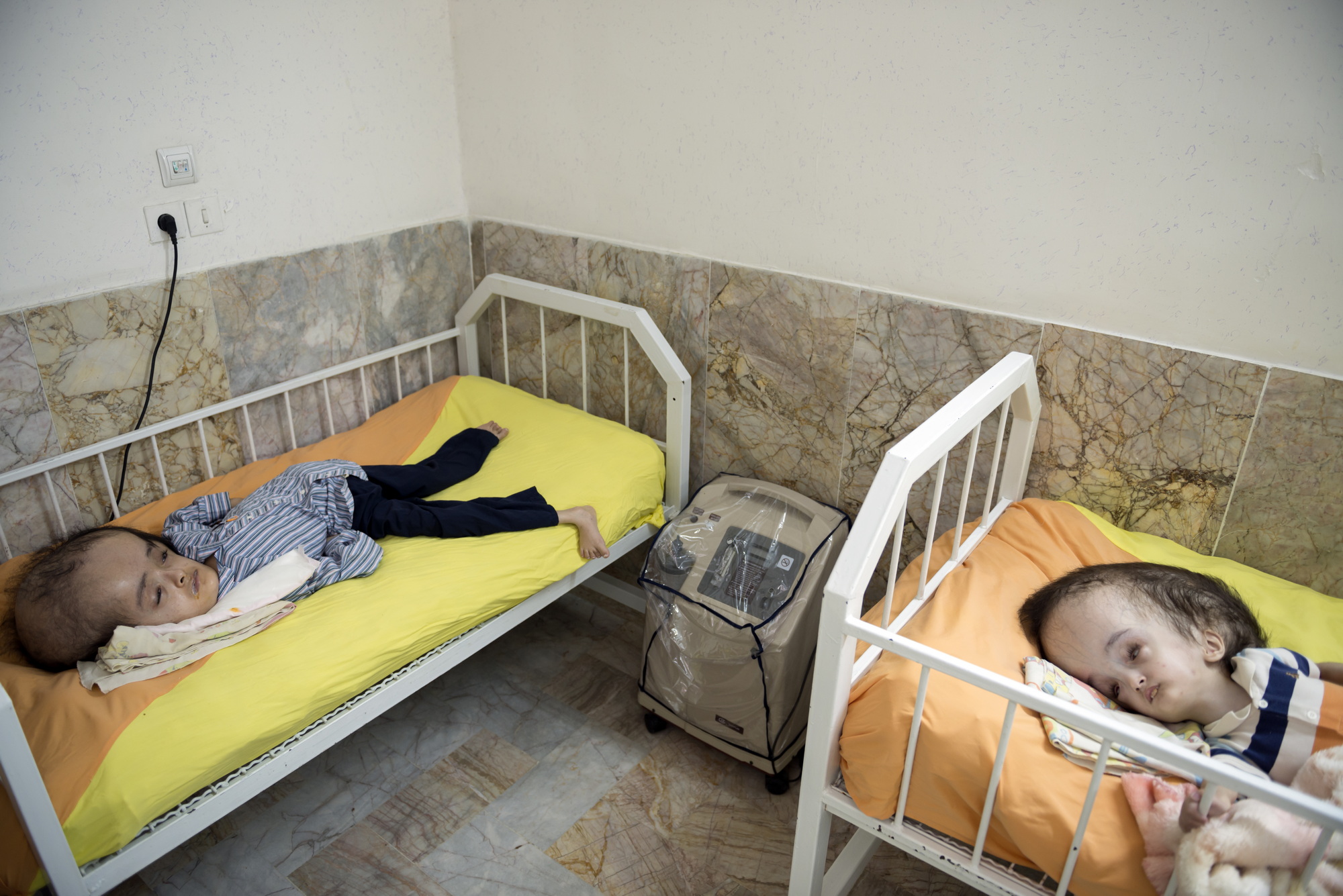
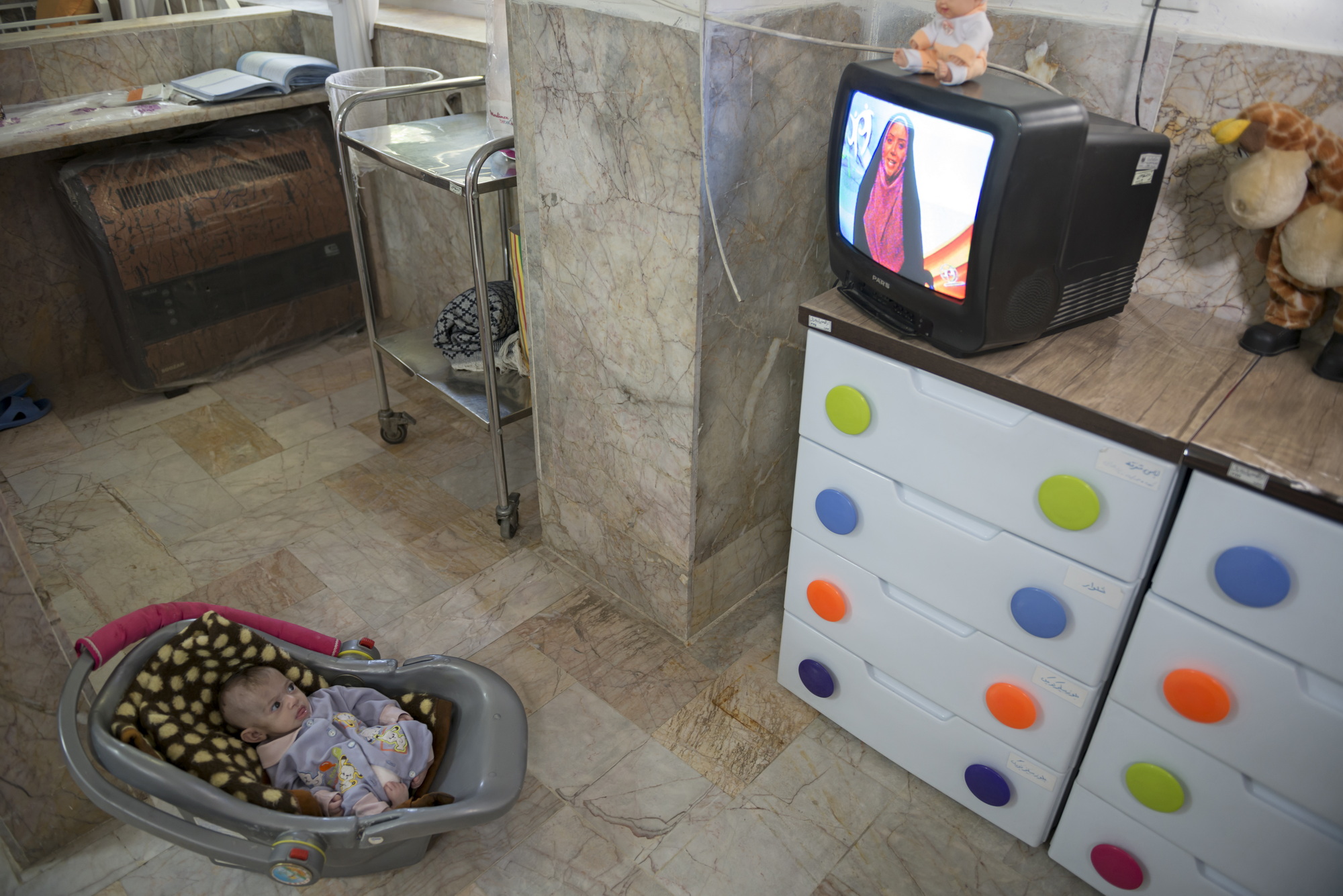
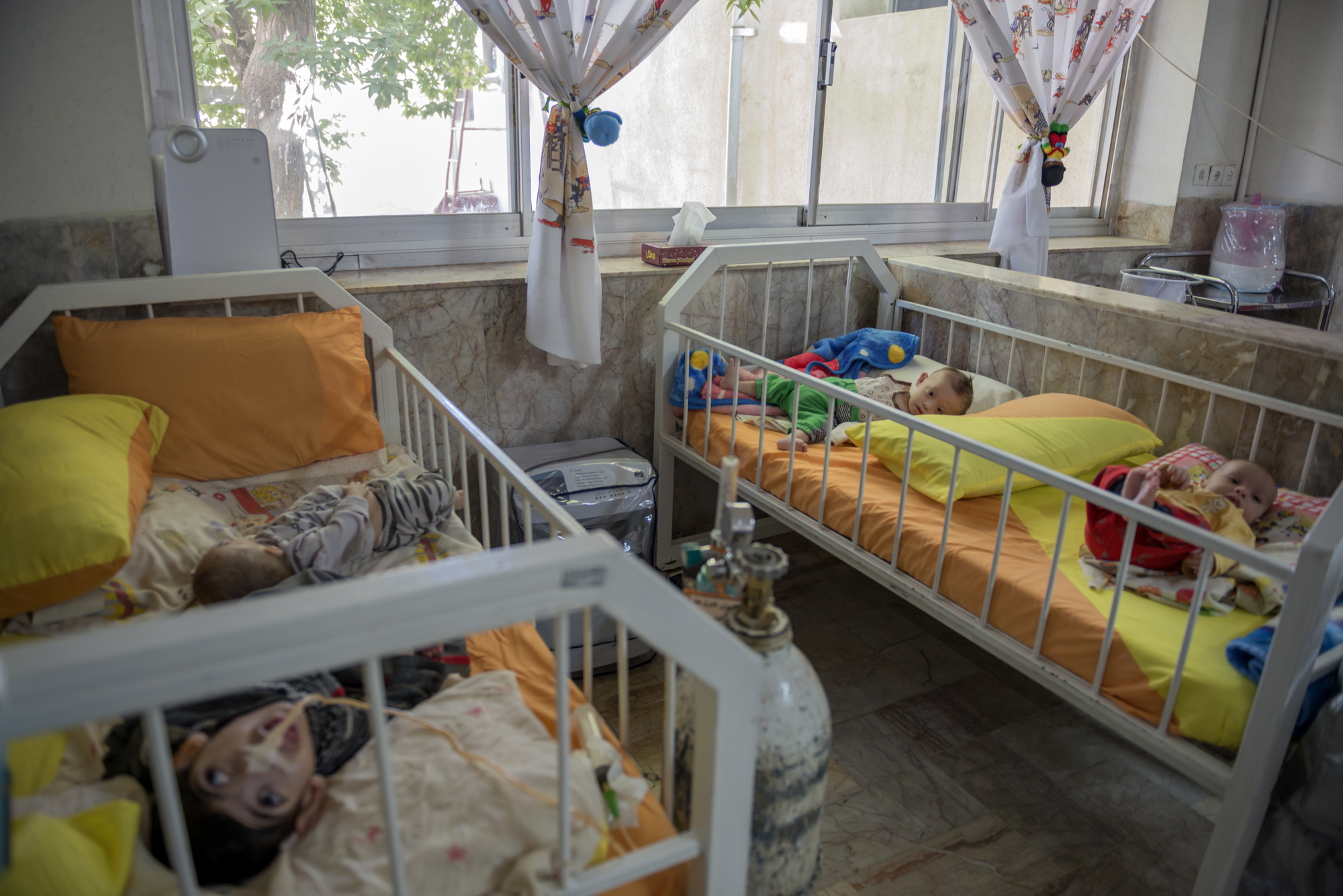
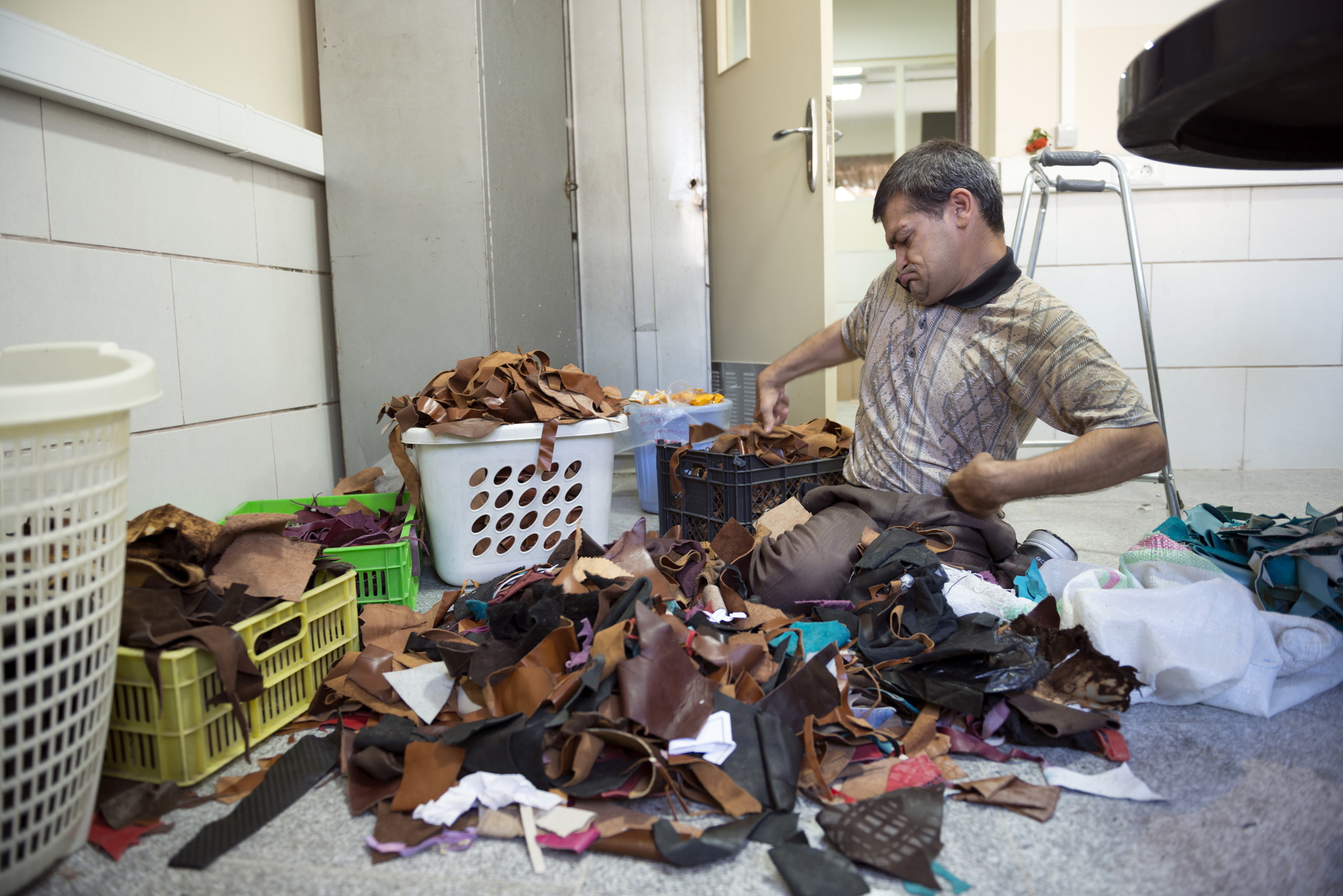
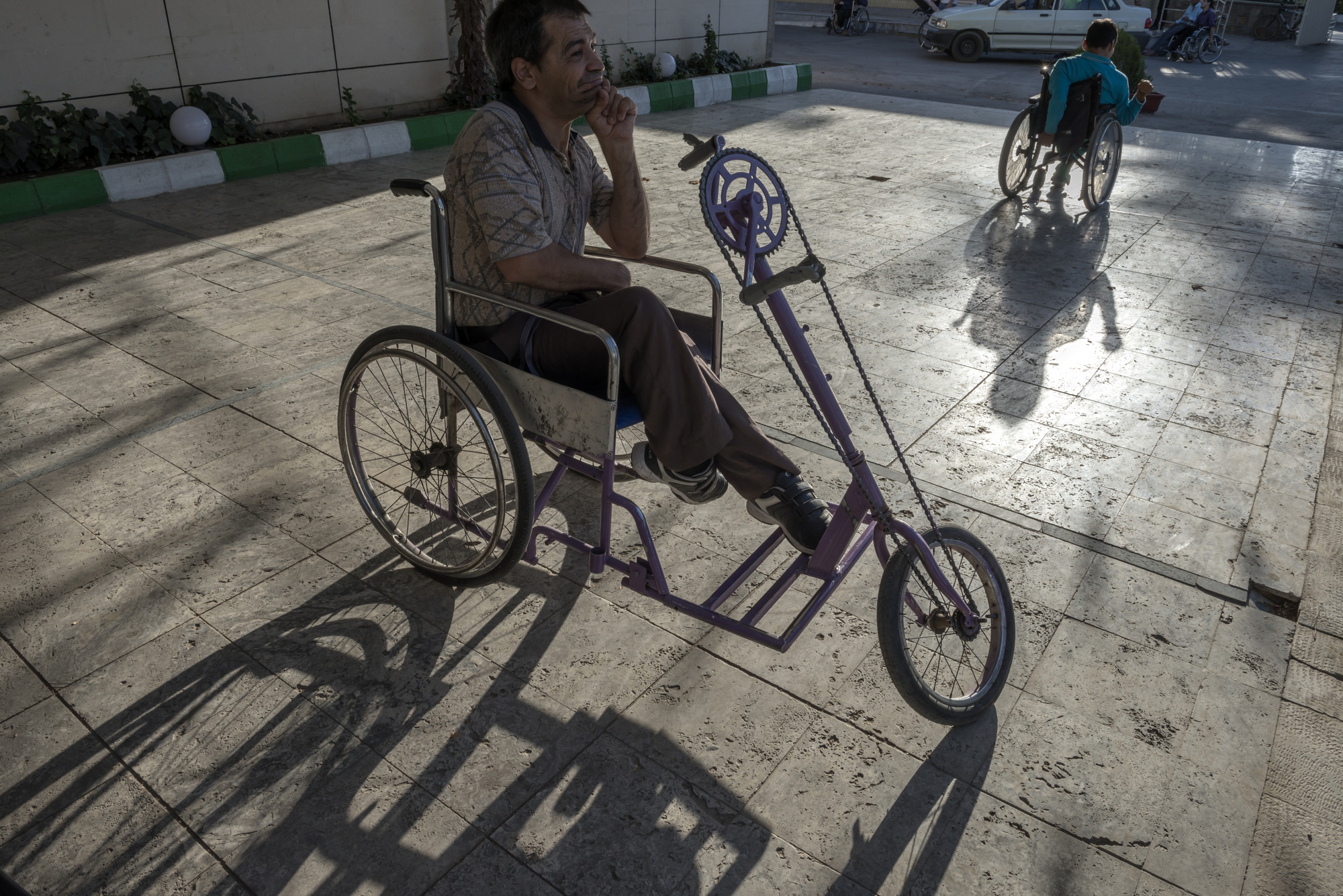
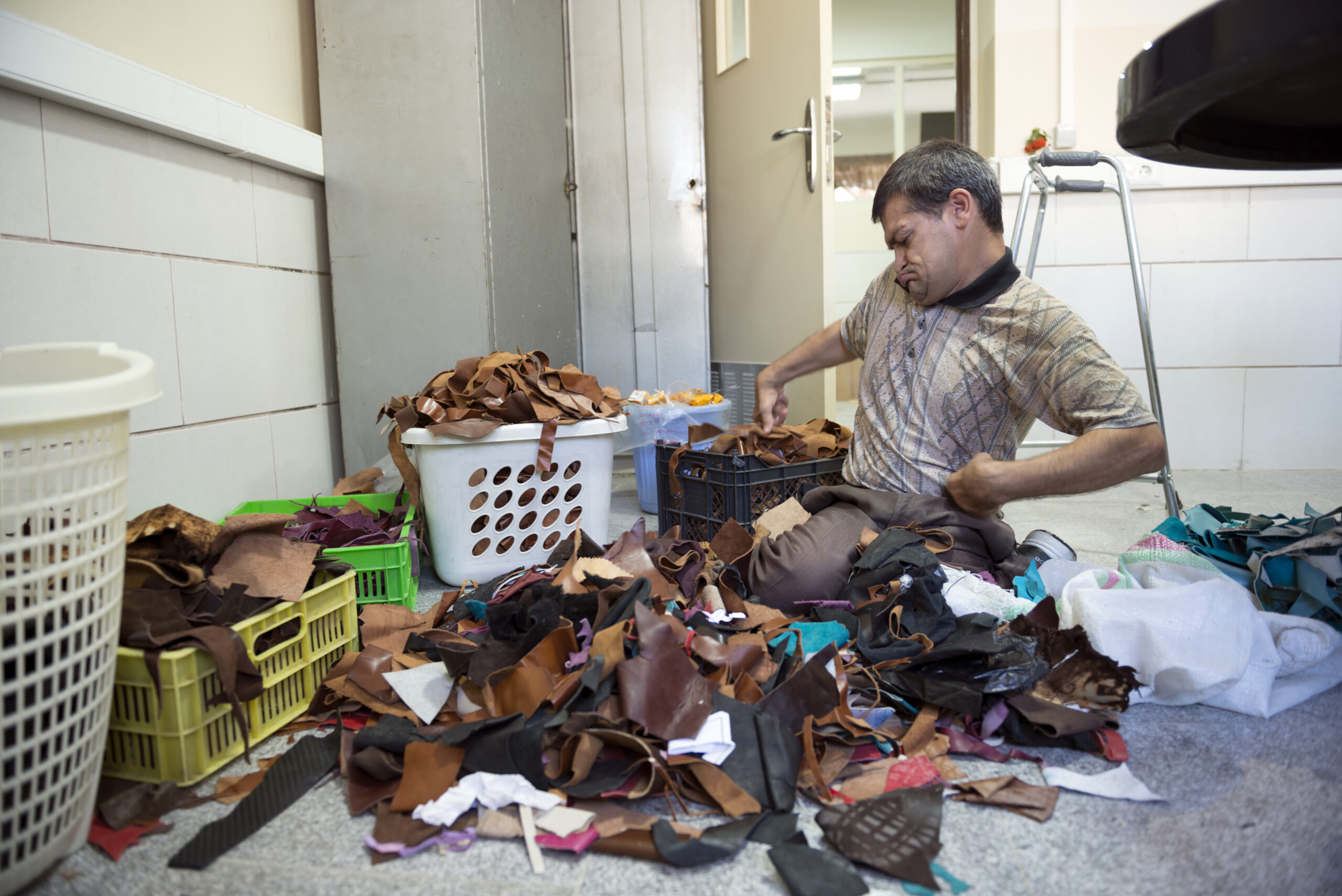
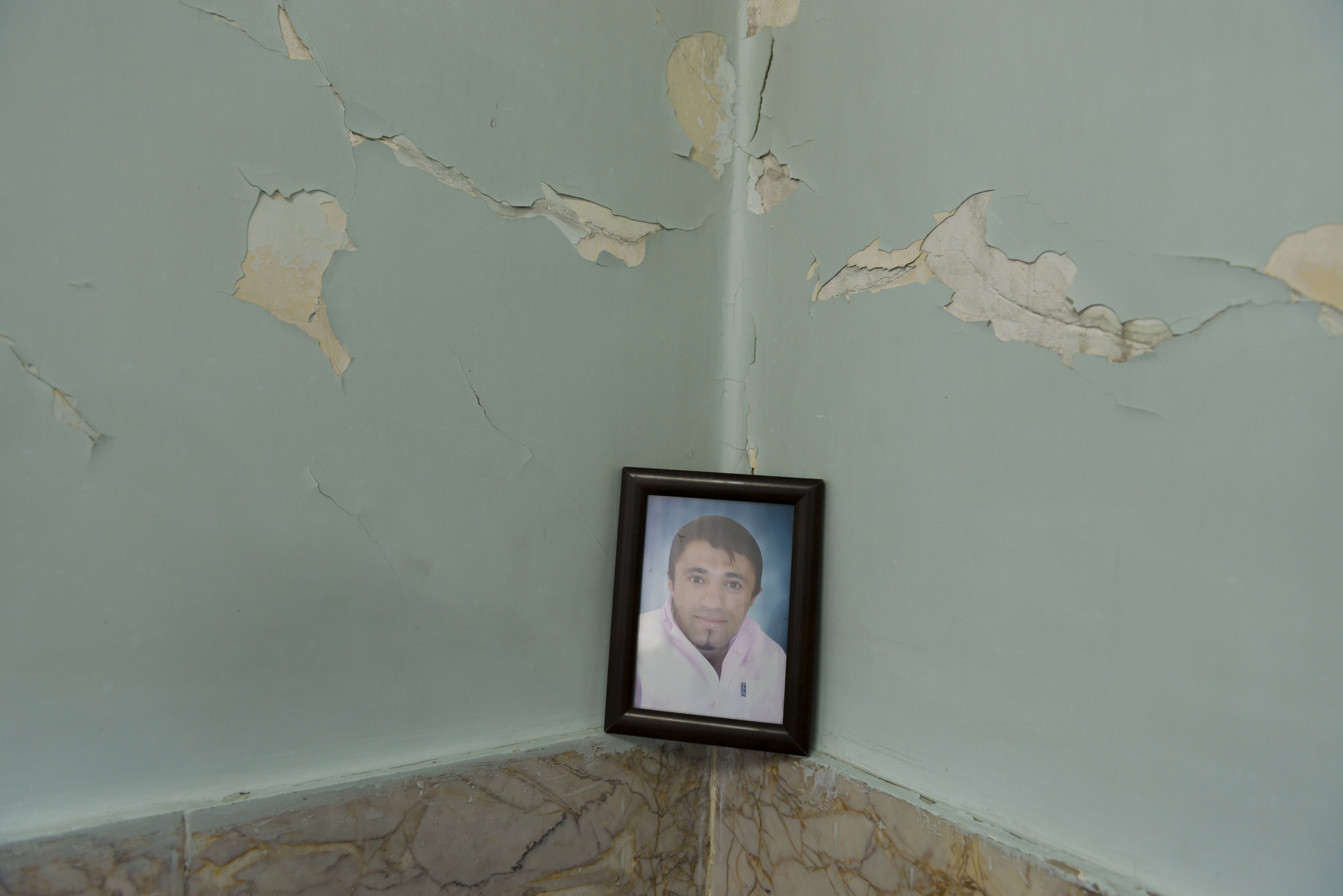
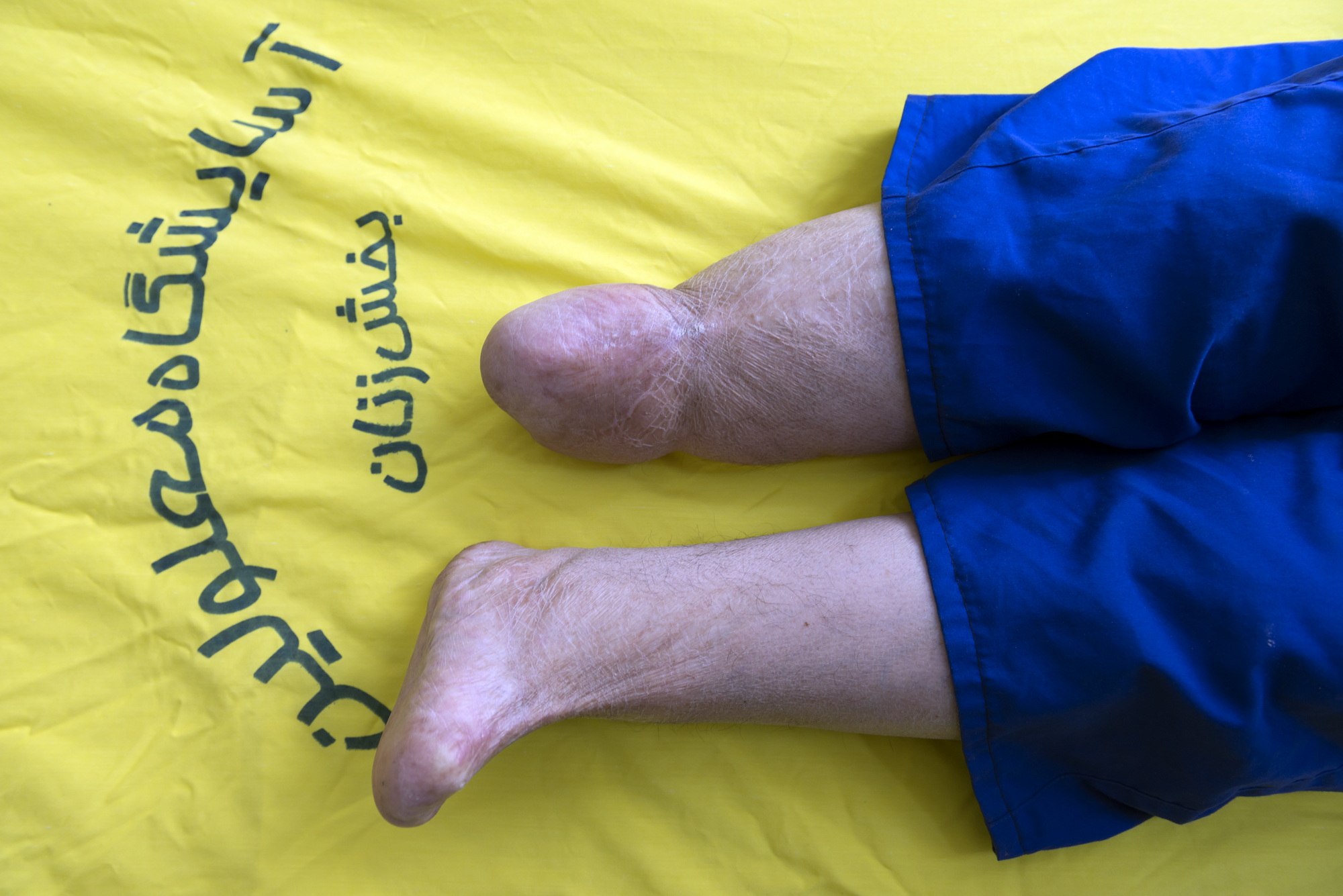
نمایشگاهی از عکسهای مهدی حسینی با عنوان «نگاه» از جمعه ۲ مردادماه ۹۴ در نگارخانه چارسوق مشهد گشایش مییابد طبق اعلام دستاندرکاران، در این نمایشگاه عکسهایی با هدف مستند کردن بخشی از زندگی در آسایشگاه معلولین ذهنی و جسمی «شهید فیاضبخش» مشهد به نمایش درخواهد آمد در حال حاضر این آسایشگاه محل مراقبت از ۵۳۰ معلول ذهنی و جسمی است و تنها ۲۰ درصد هزینه آن را سازمان بهزیستی تامین میکند و باقیمانده مبلغ توسط خیرین و مردم مشهد تامین میشود. این مرکز که جزو مراکز بزرگ کشور در این خصوص است شامل بخشهای فیزوتراپی، روانشناسی، کار درمانی، کارگاههای اشتغال، آبدرمانی، دندانپزشکی و دانشآموزی است مهدی حسینی در بخشی از متن معرفی آثار این نمایشگاه مینویسد: سلامتی همیشه با معنی شکرگزاری همراه است، این روزها که کسی تحمل کوچکترین سختی را ندارد و آسایش و لذت برای افراد به راحتی به فعل تبدیل میشود، افرادی هستند که شکرگزارند که ویلچر خود را به حرکت در میآورند، درد جسم و روح خود را با دیوارها و بغضهایشان را با نگاهشان کنترل میکنند و زمانی که تو آنها را در آغوش میگیری جنس دیوارش به جسم تبدیل و آرامش میگیرد، او بیدار است و به ما نگاه میکند



















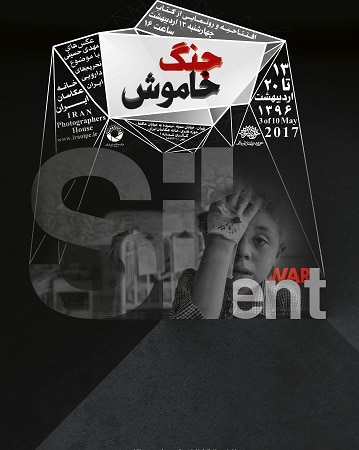
Silent War
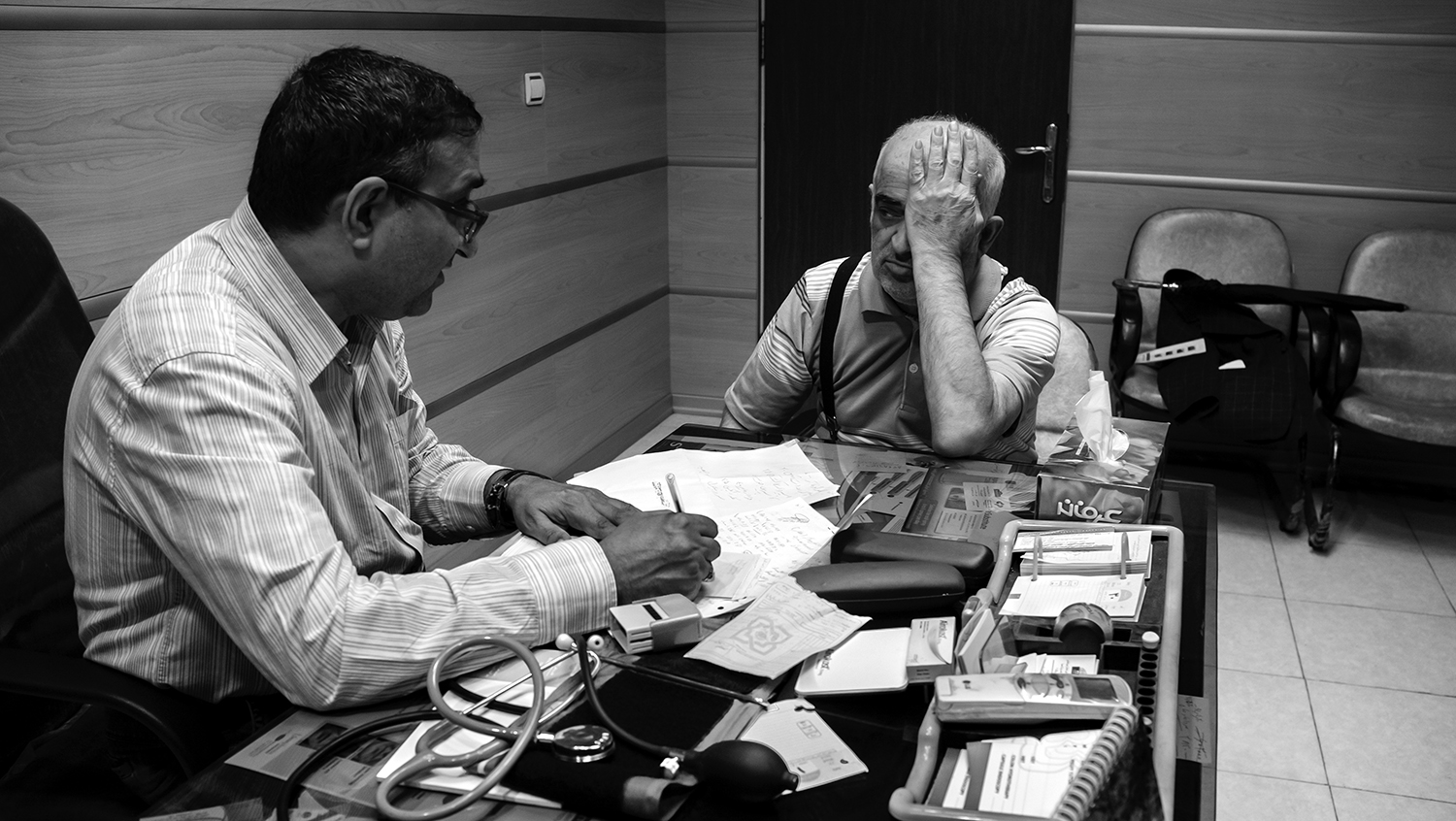
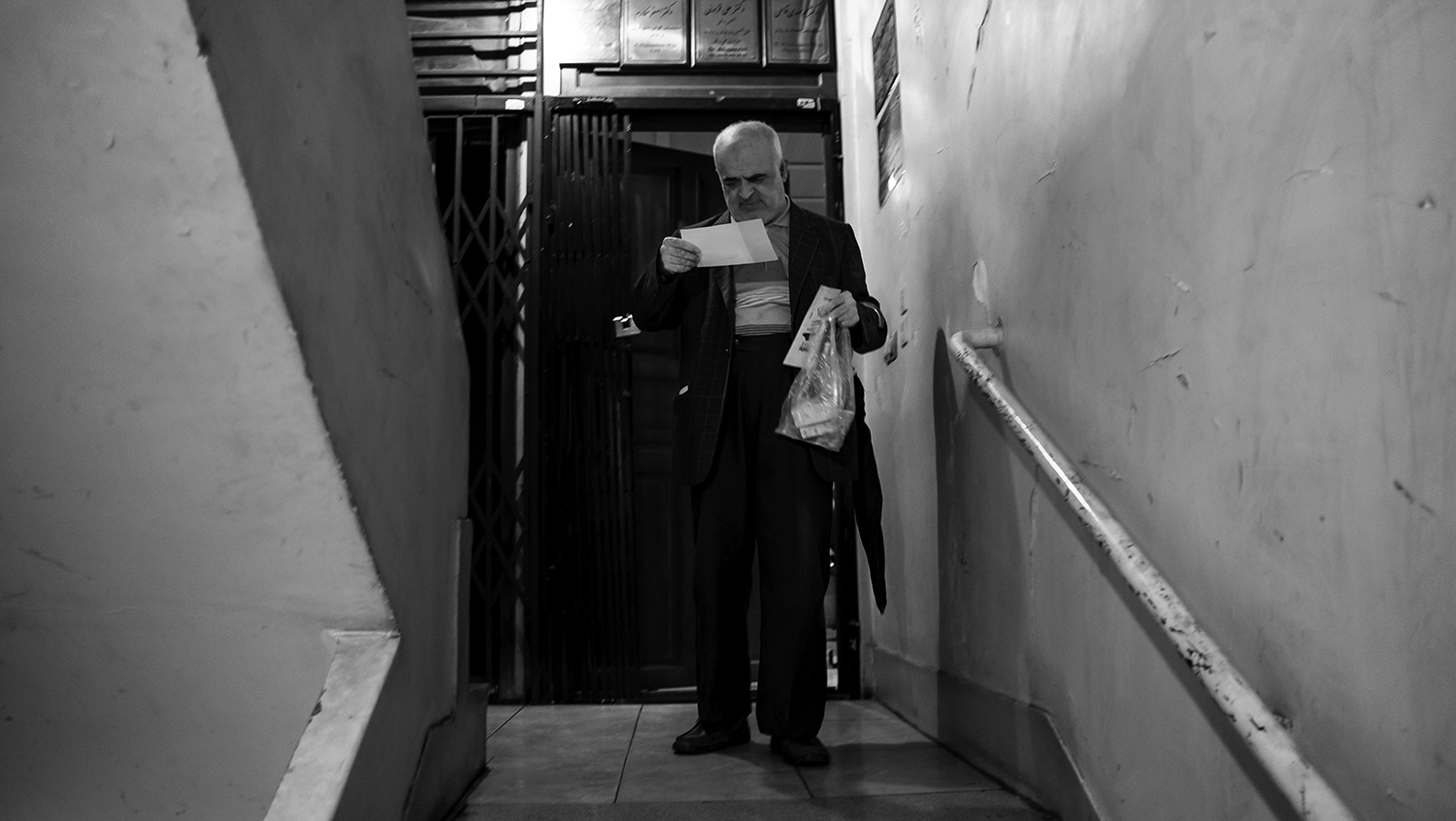
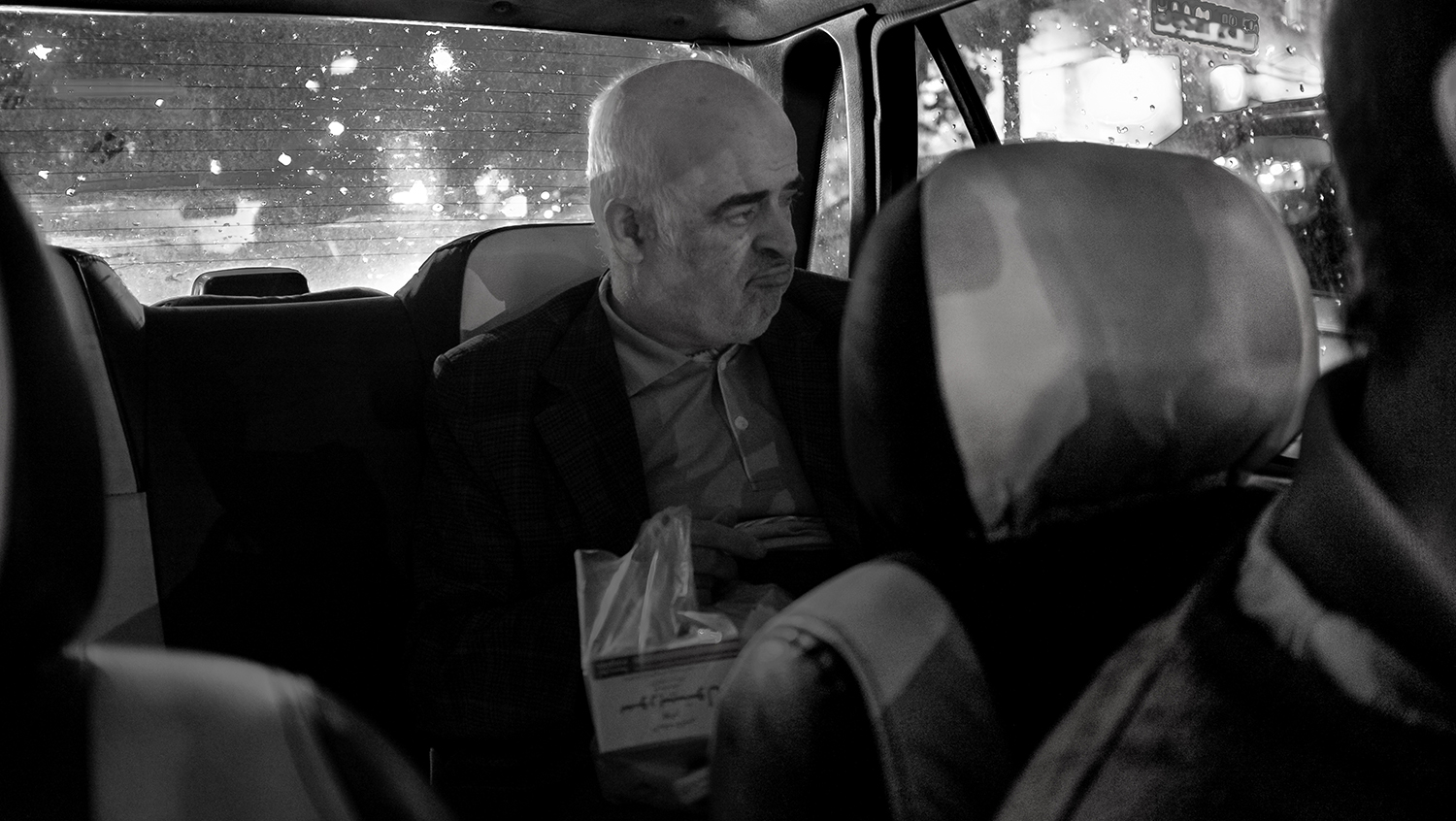
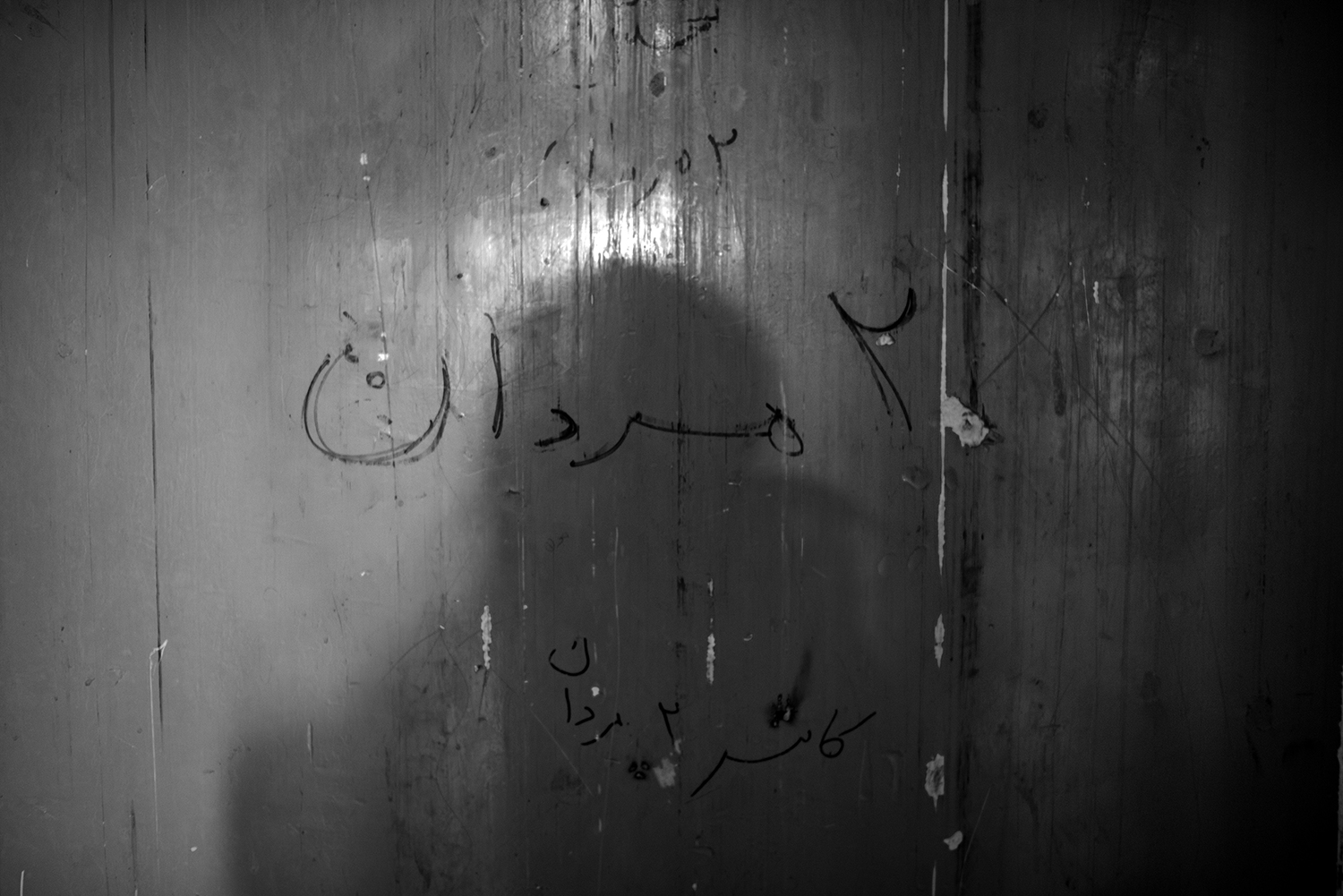
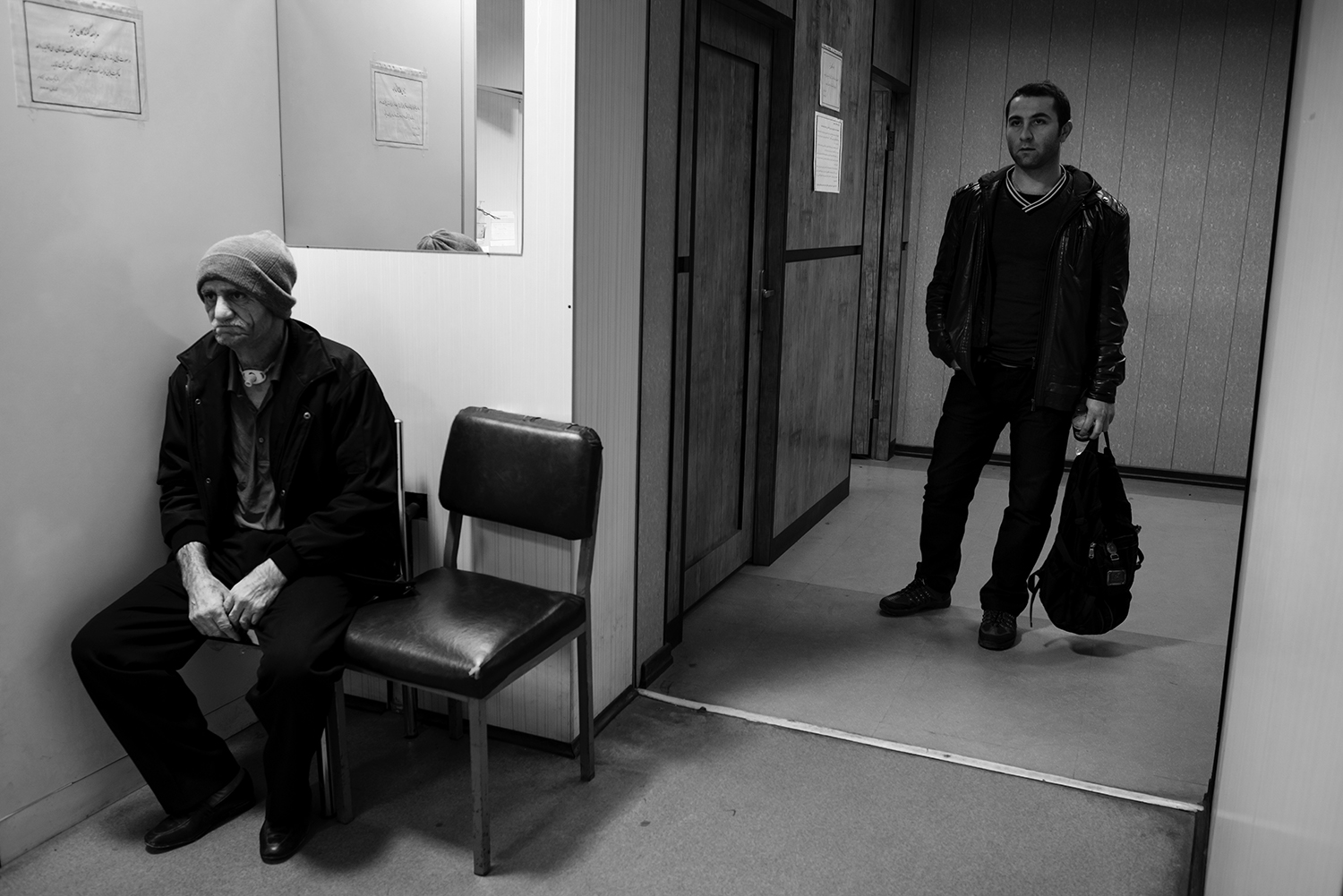
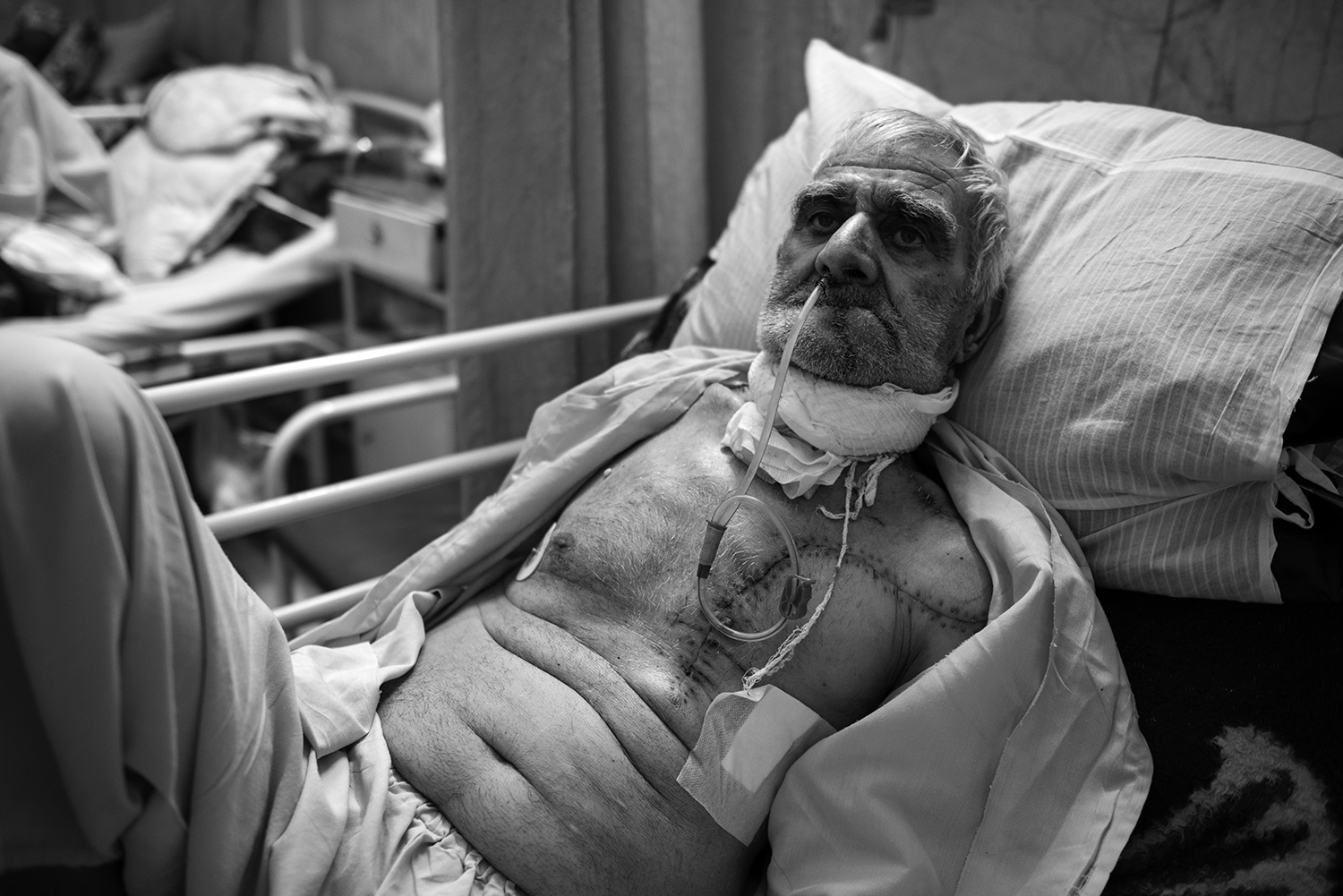
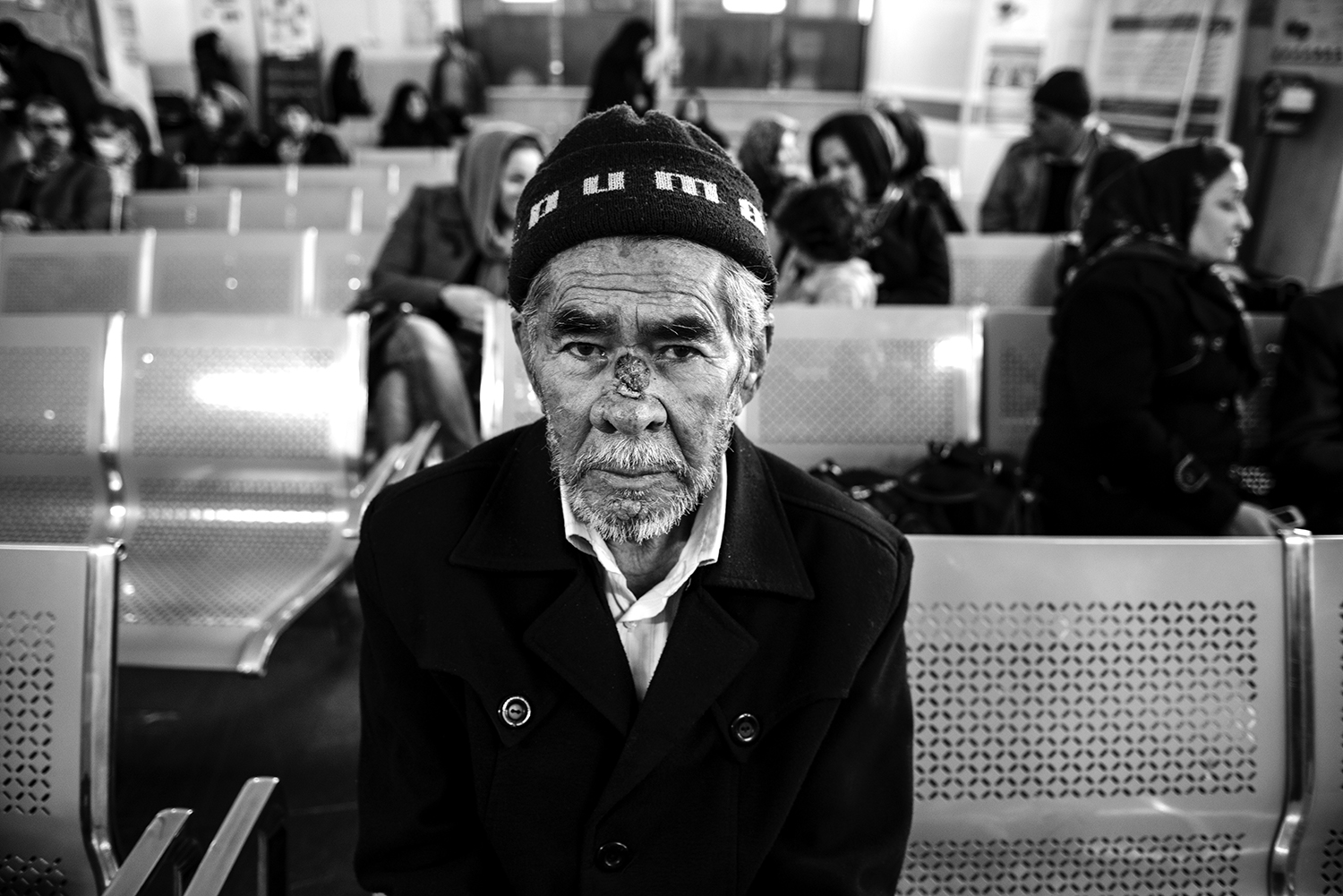
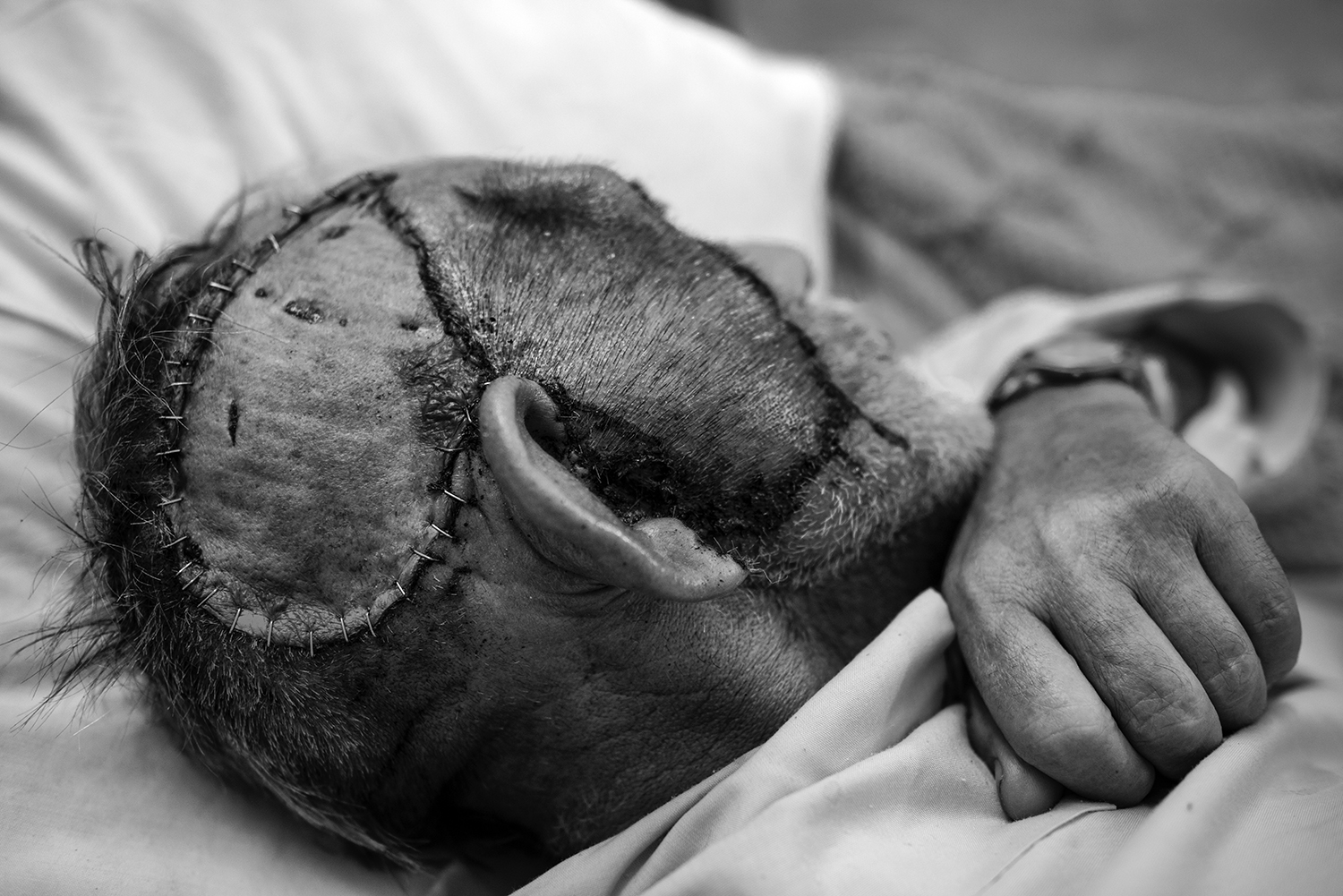
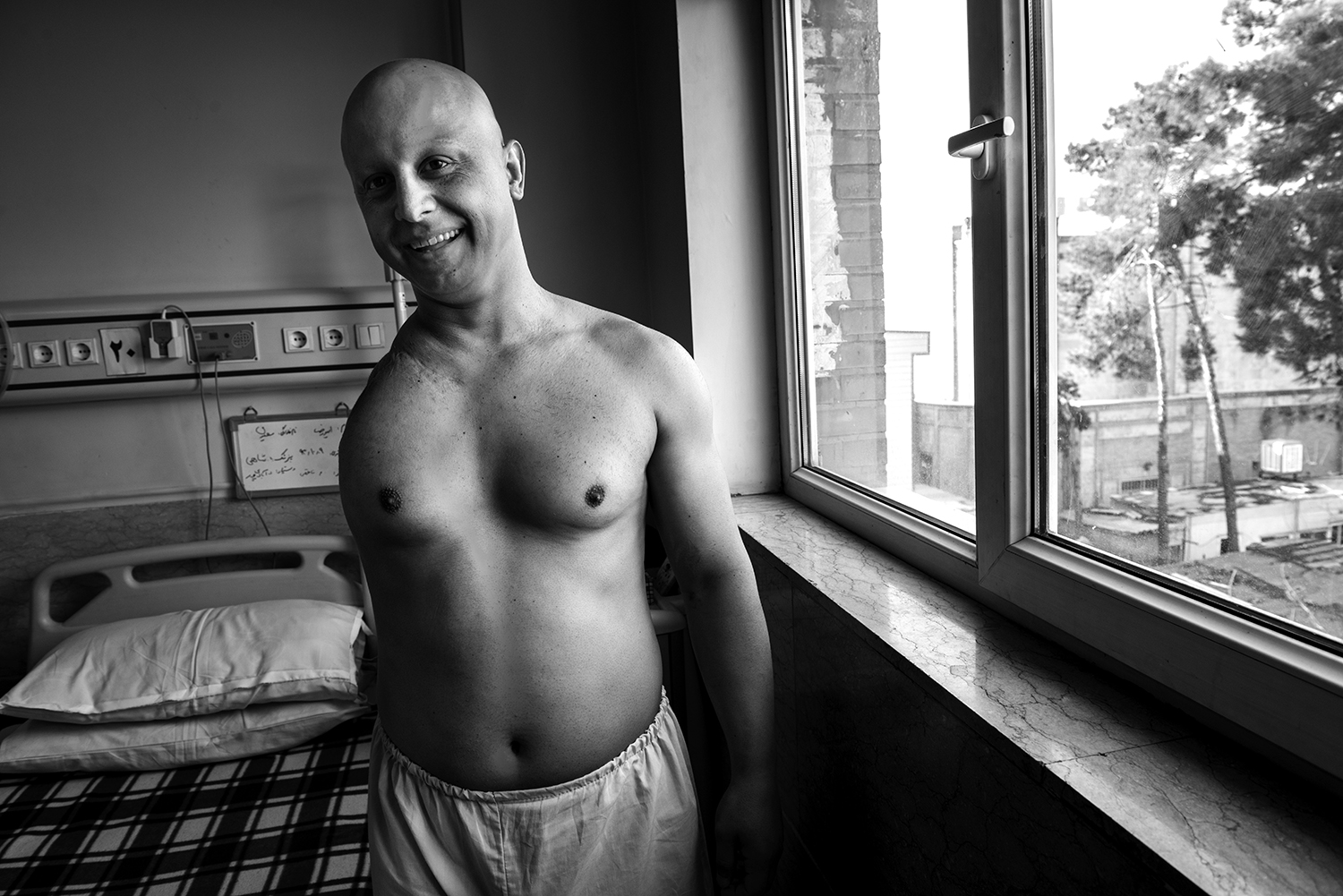
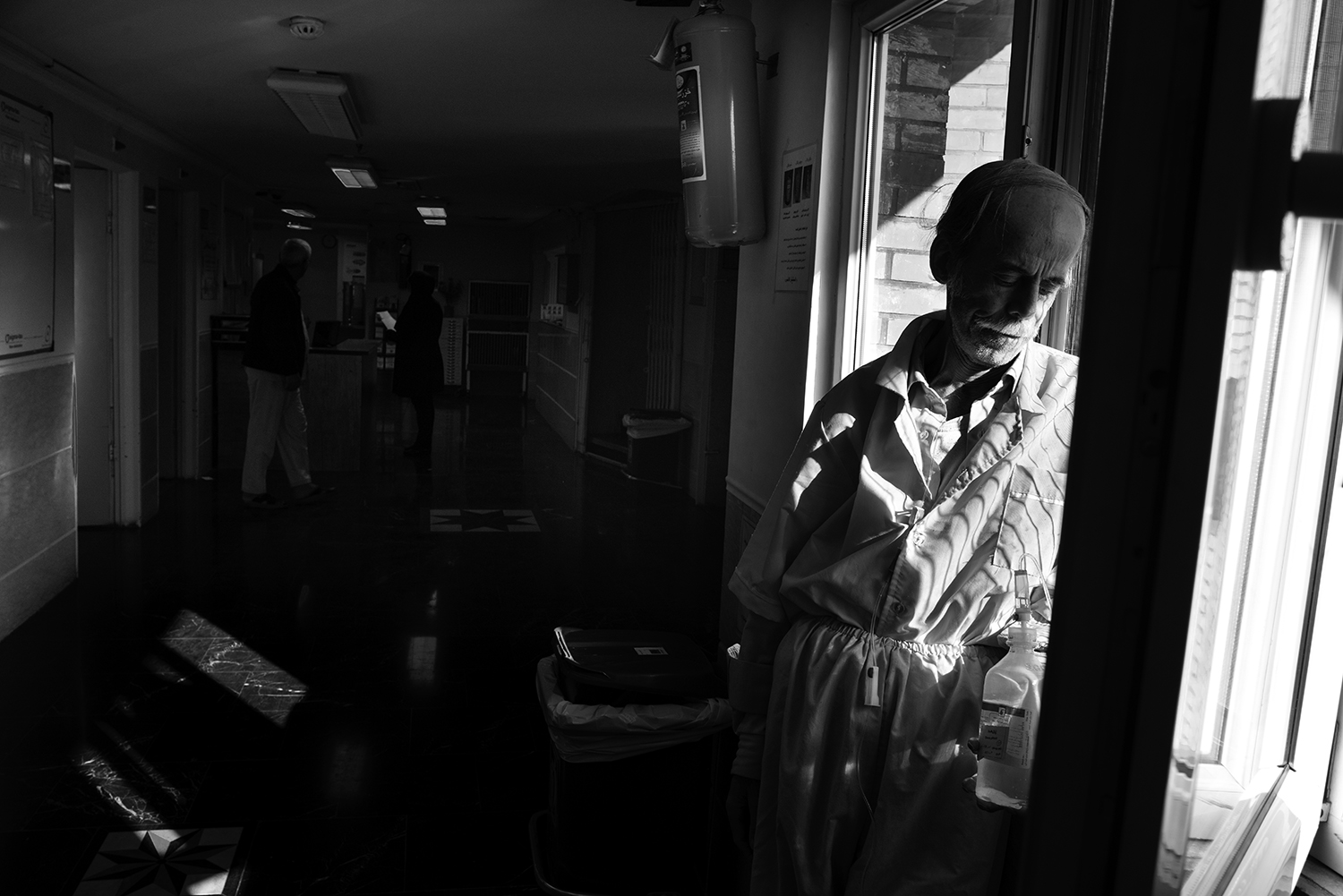
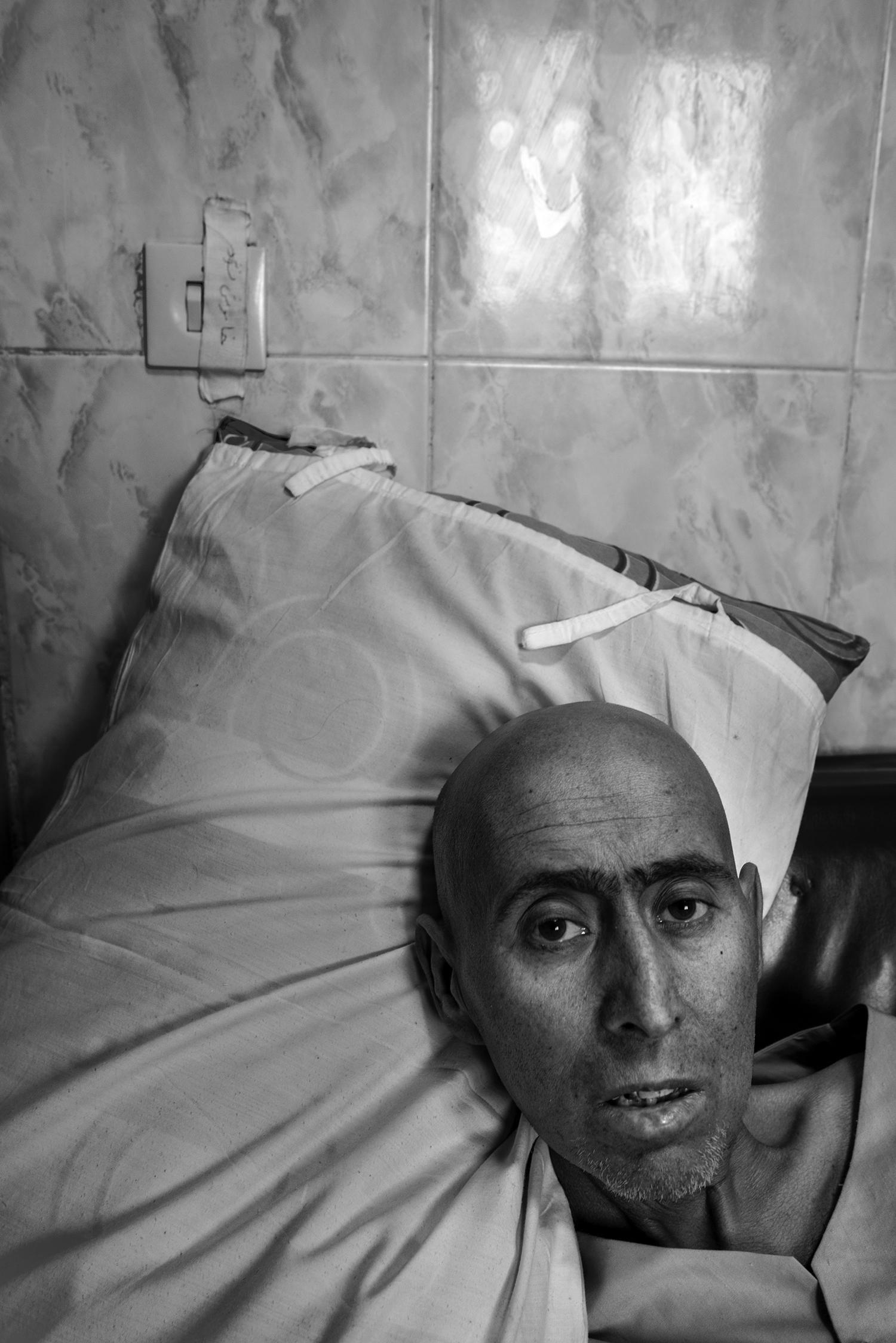
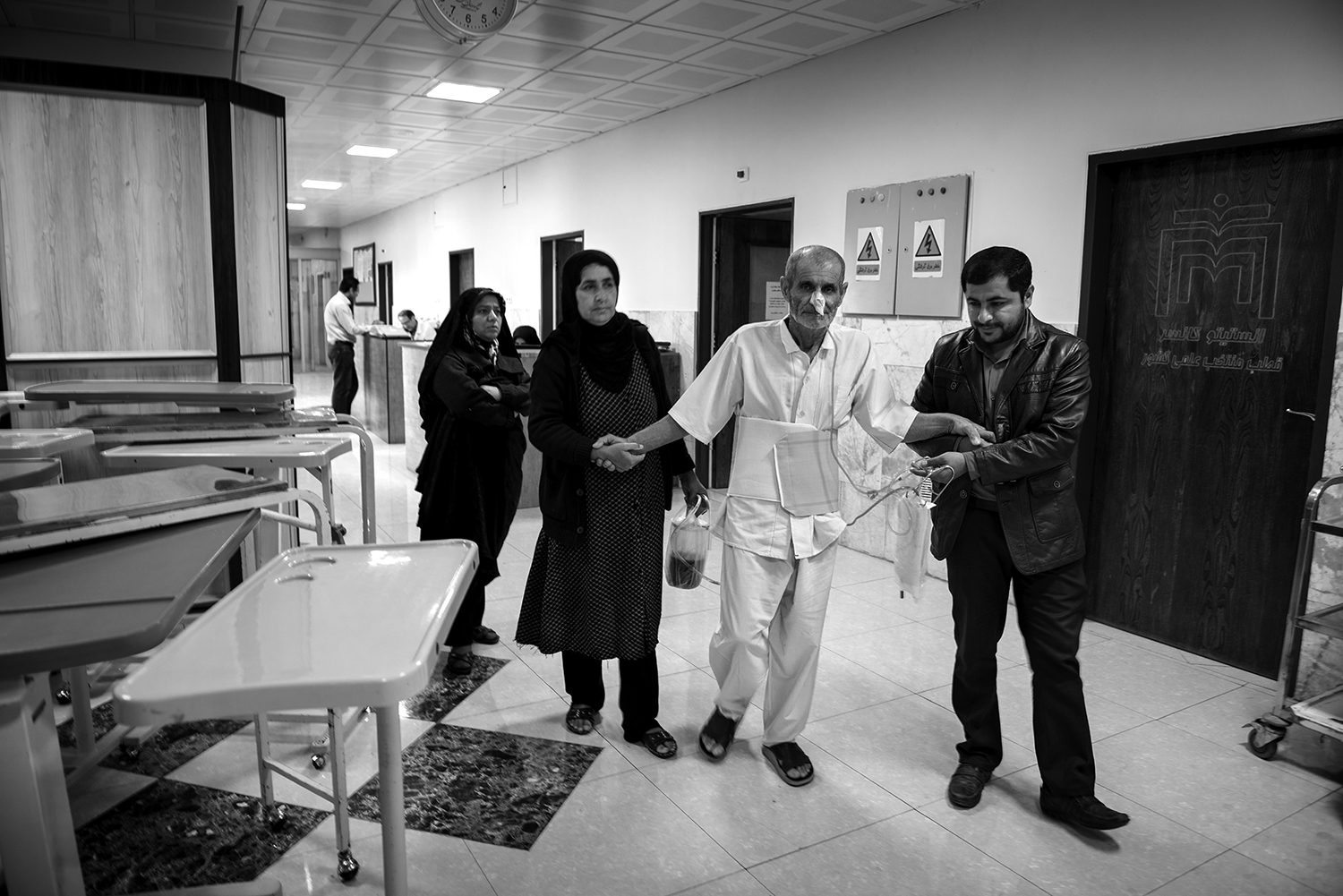
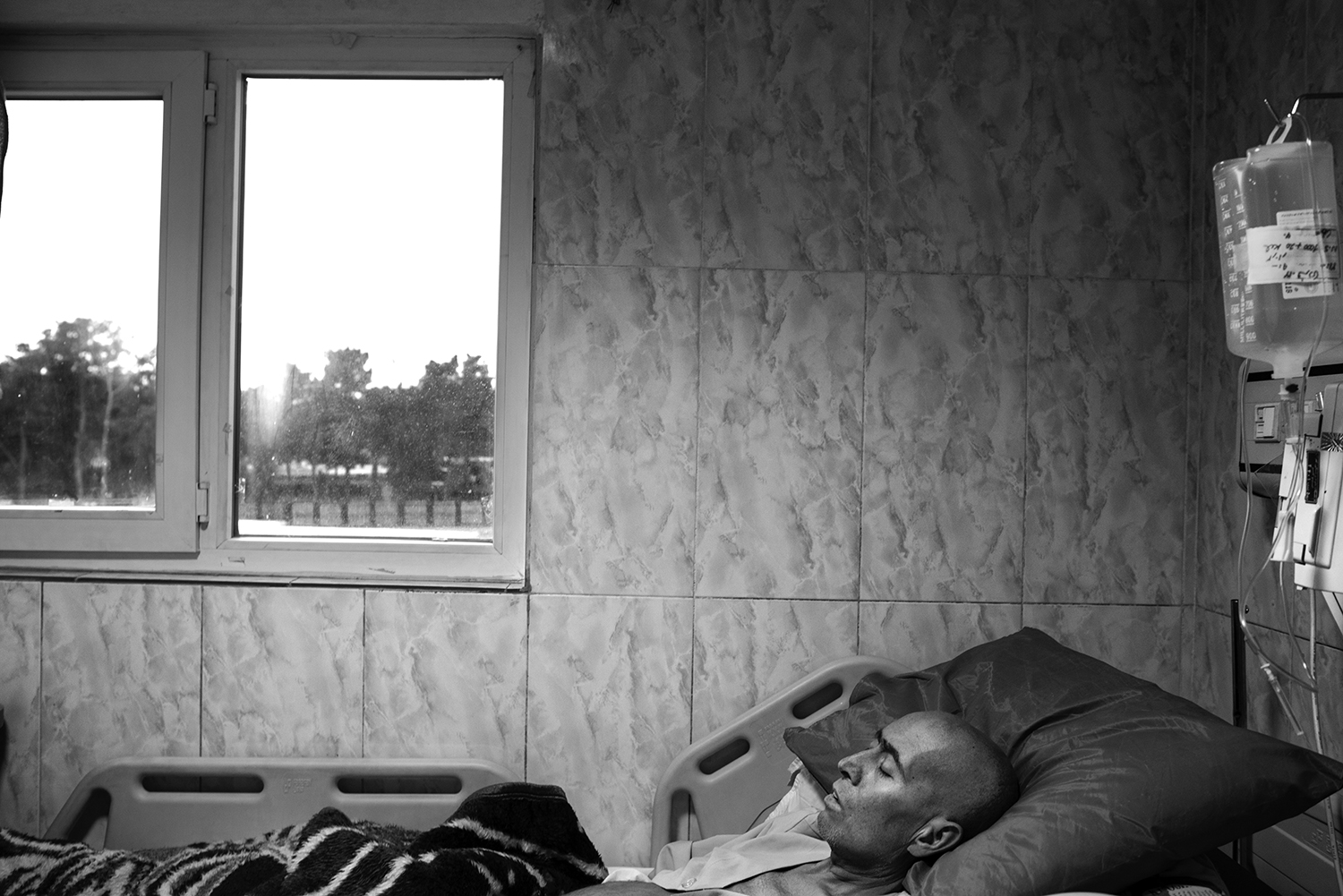
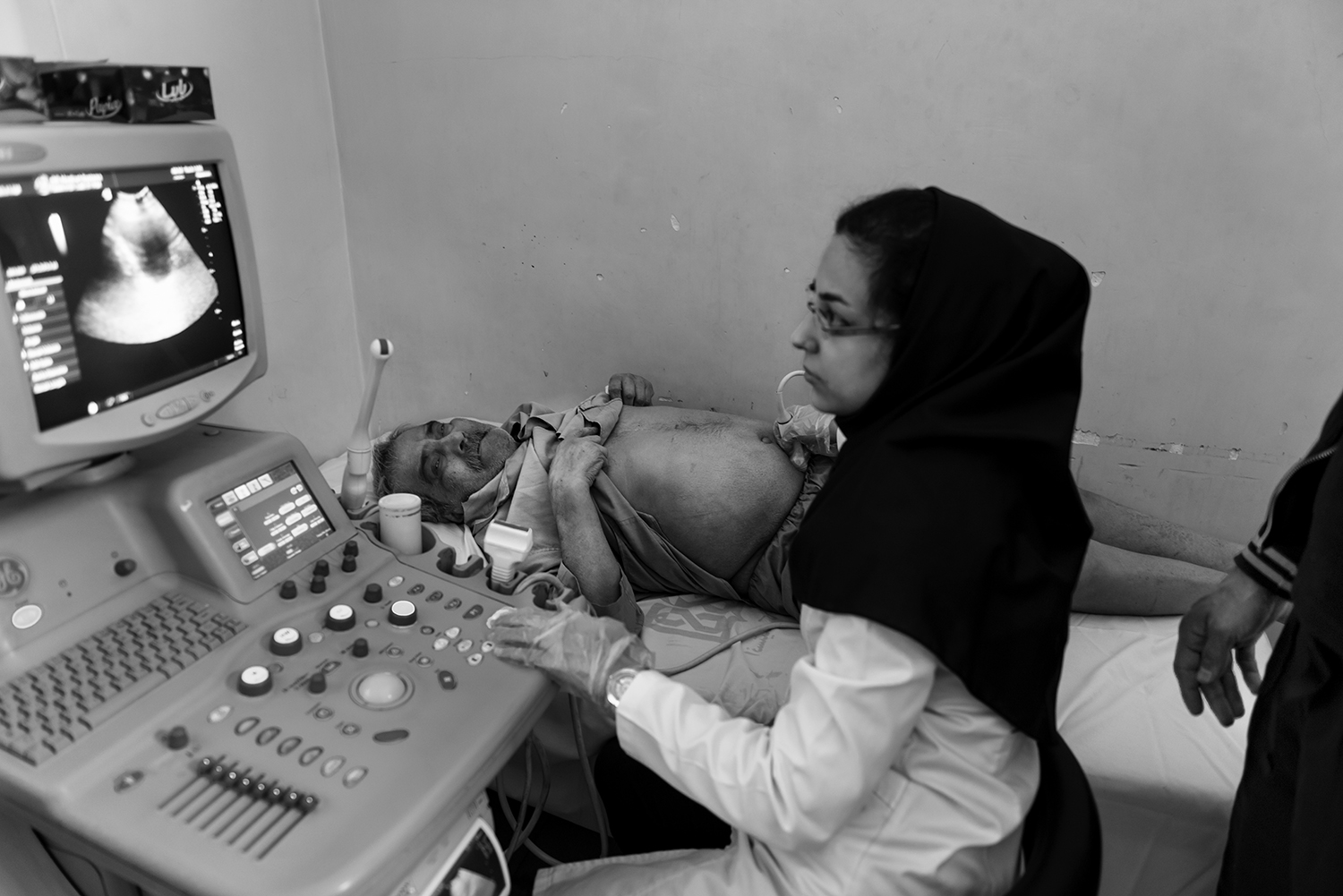
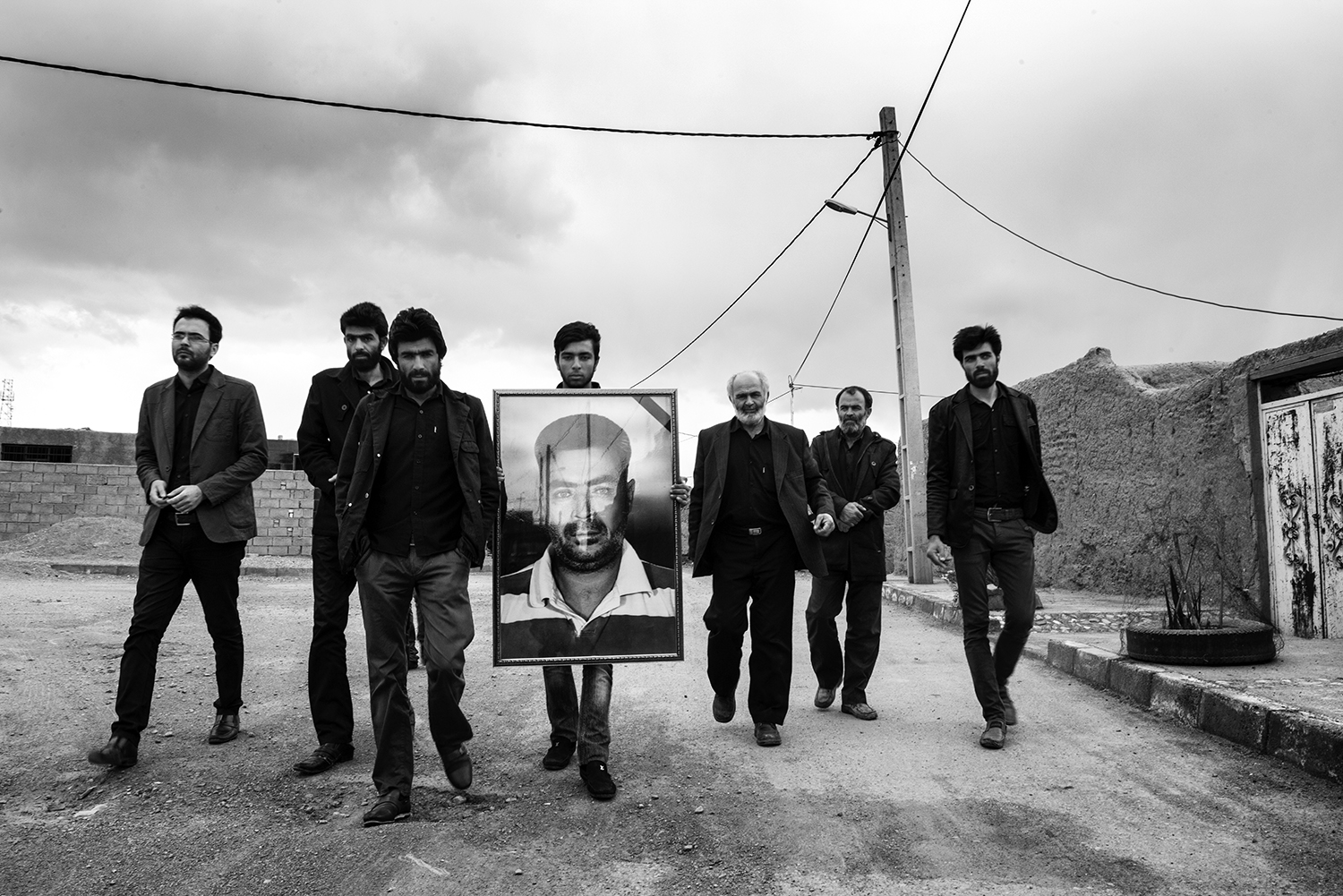
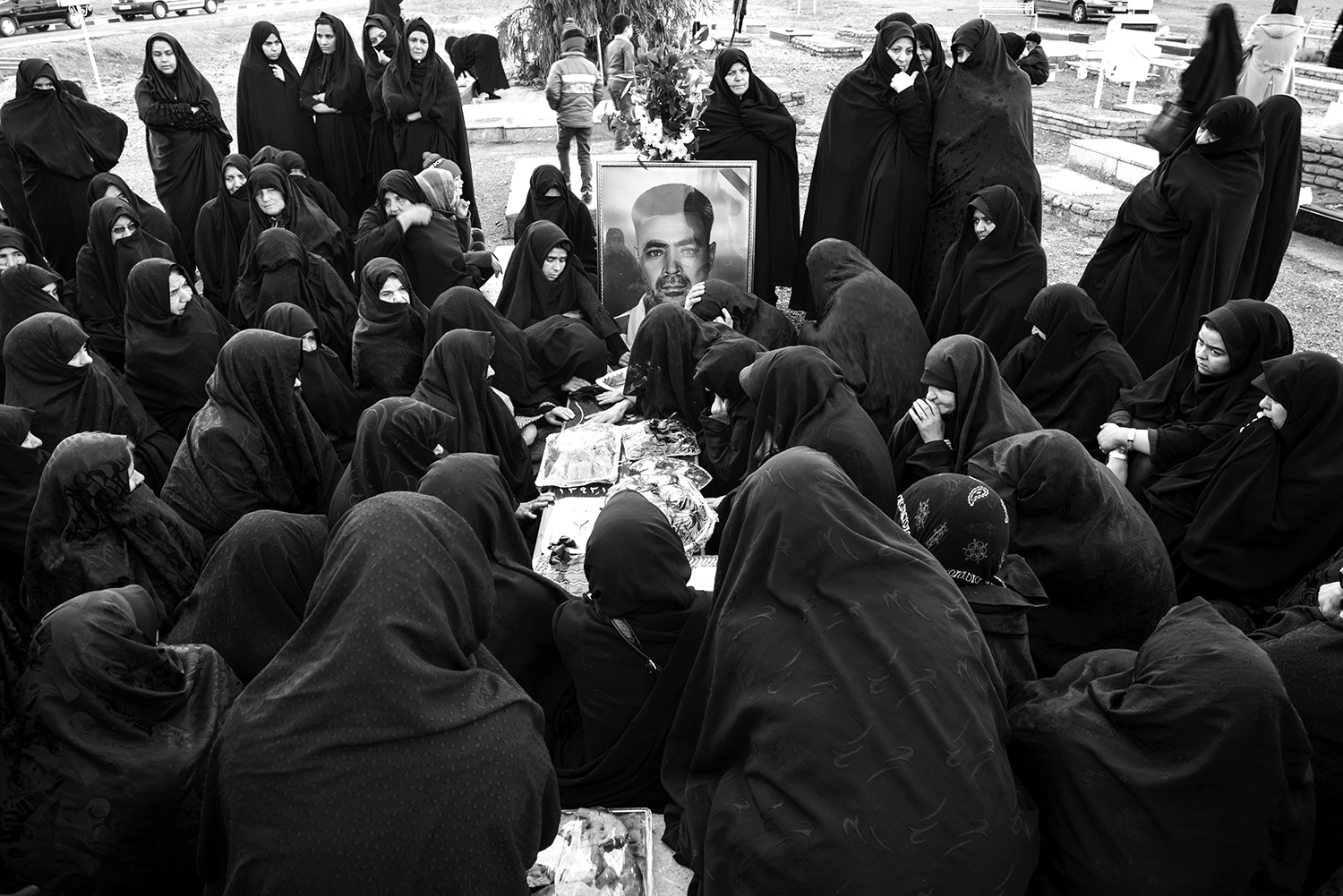
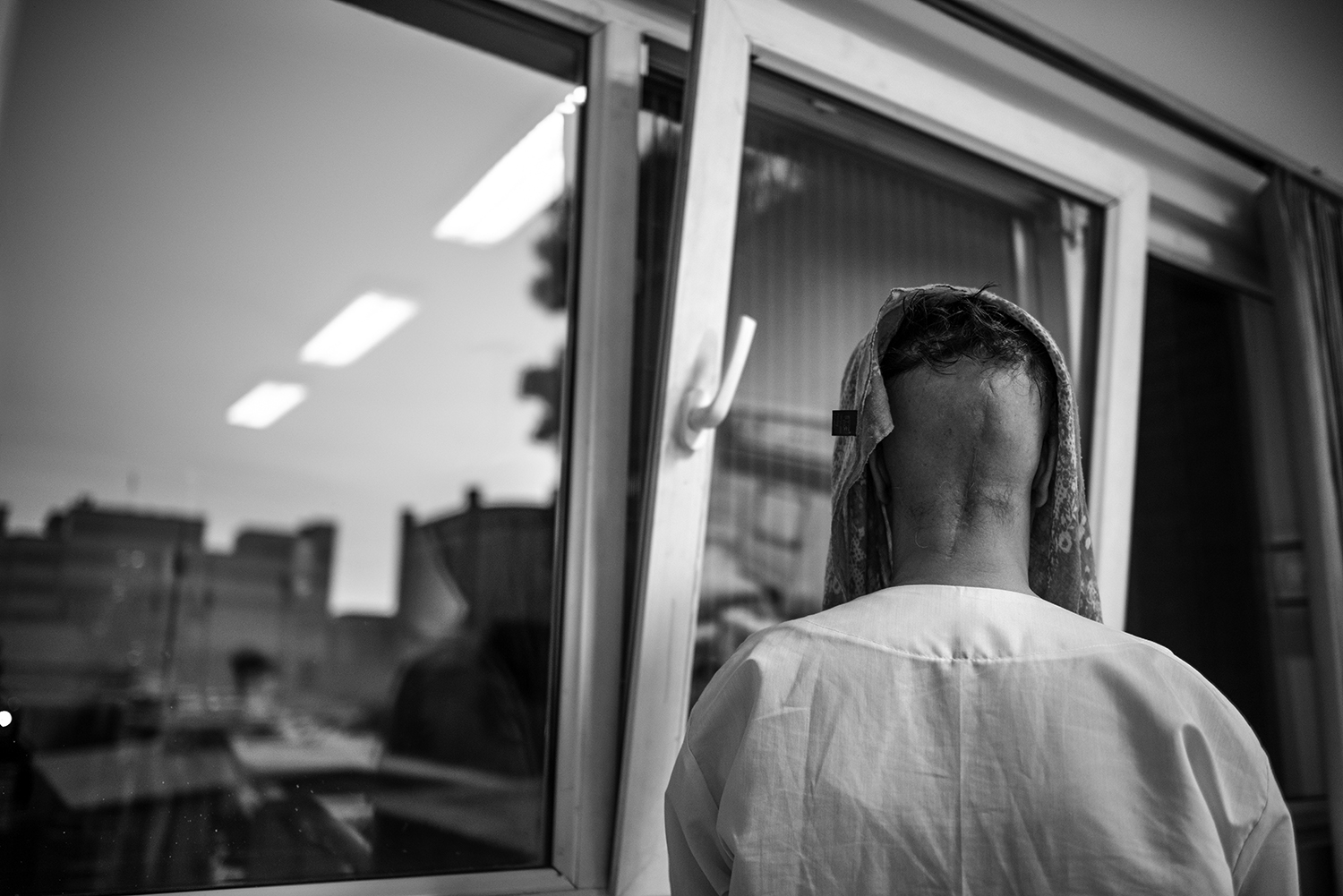
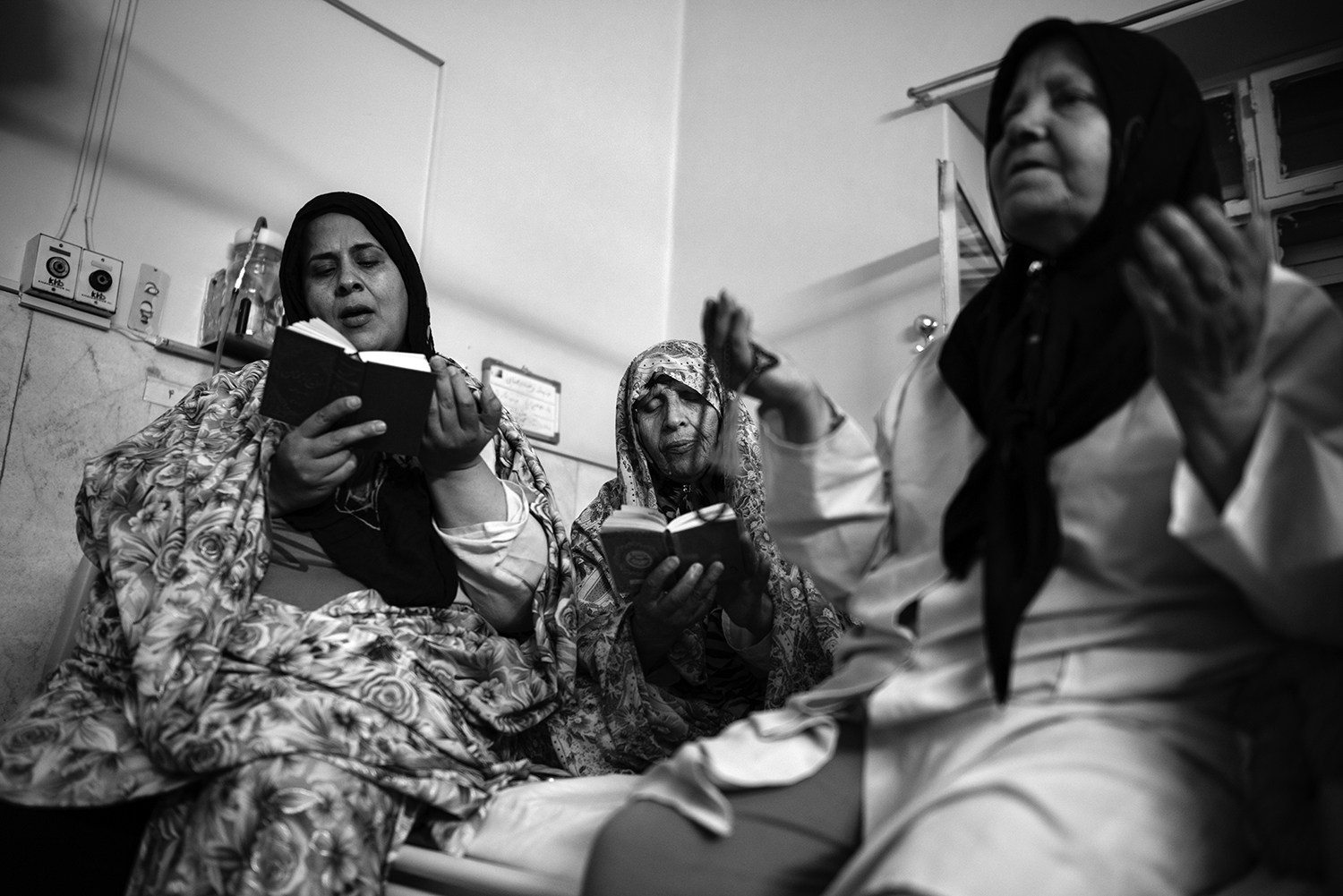
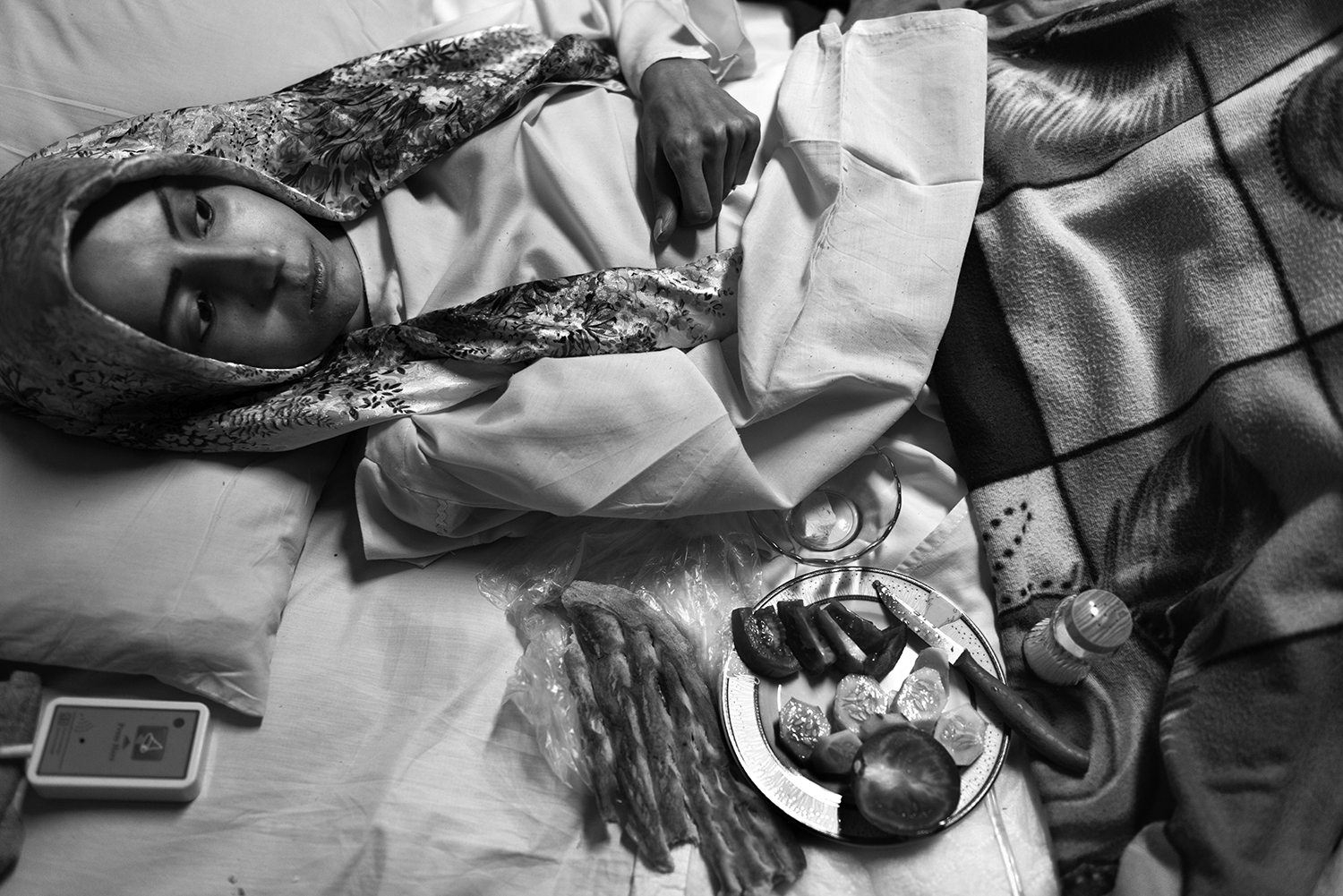
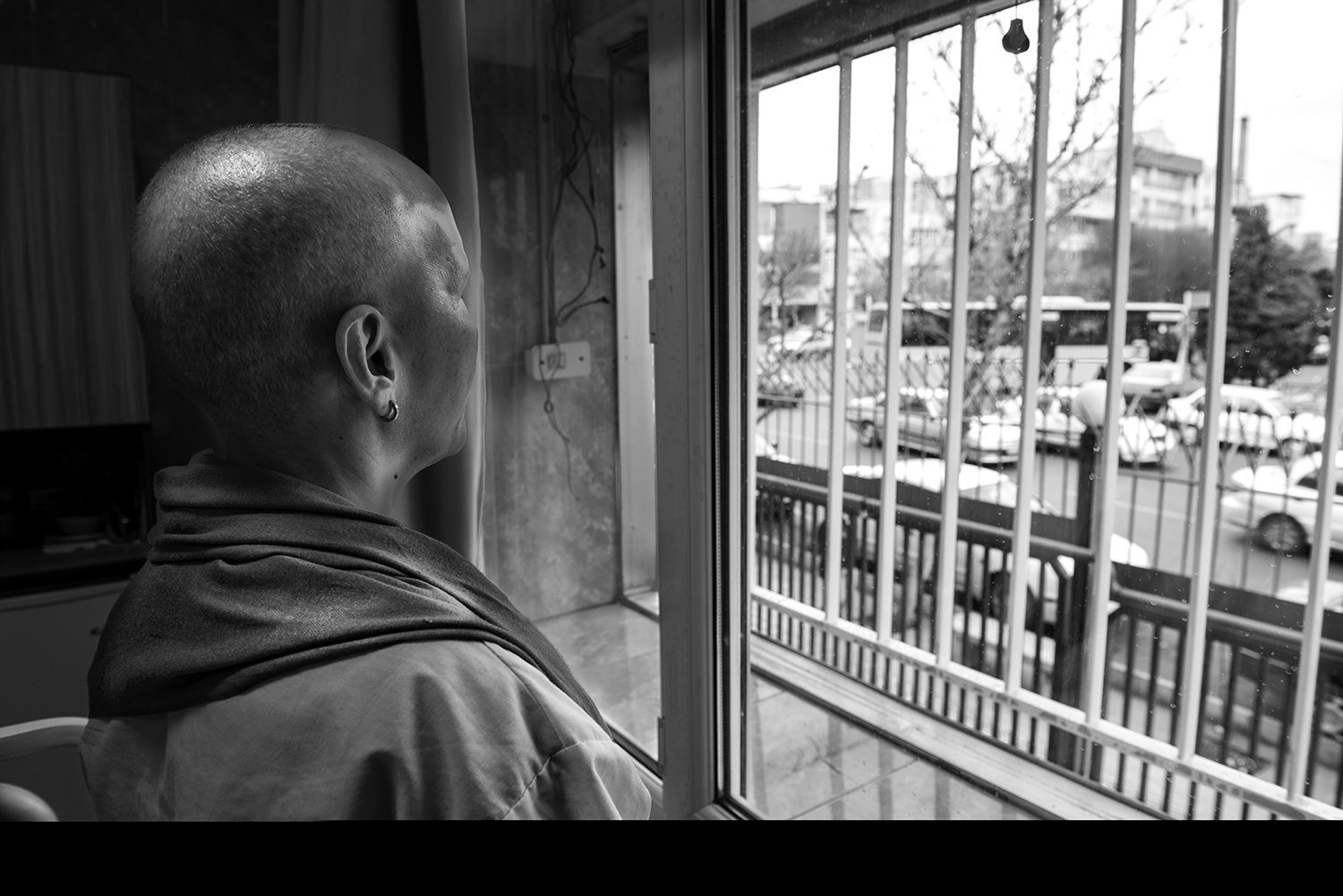
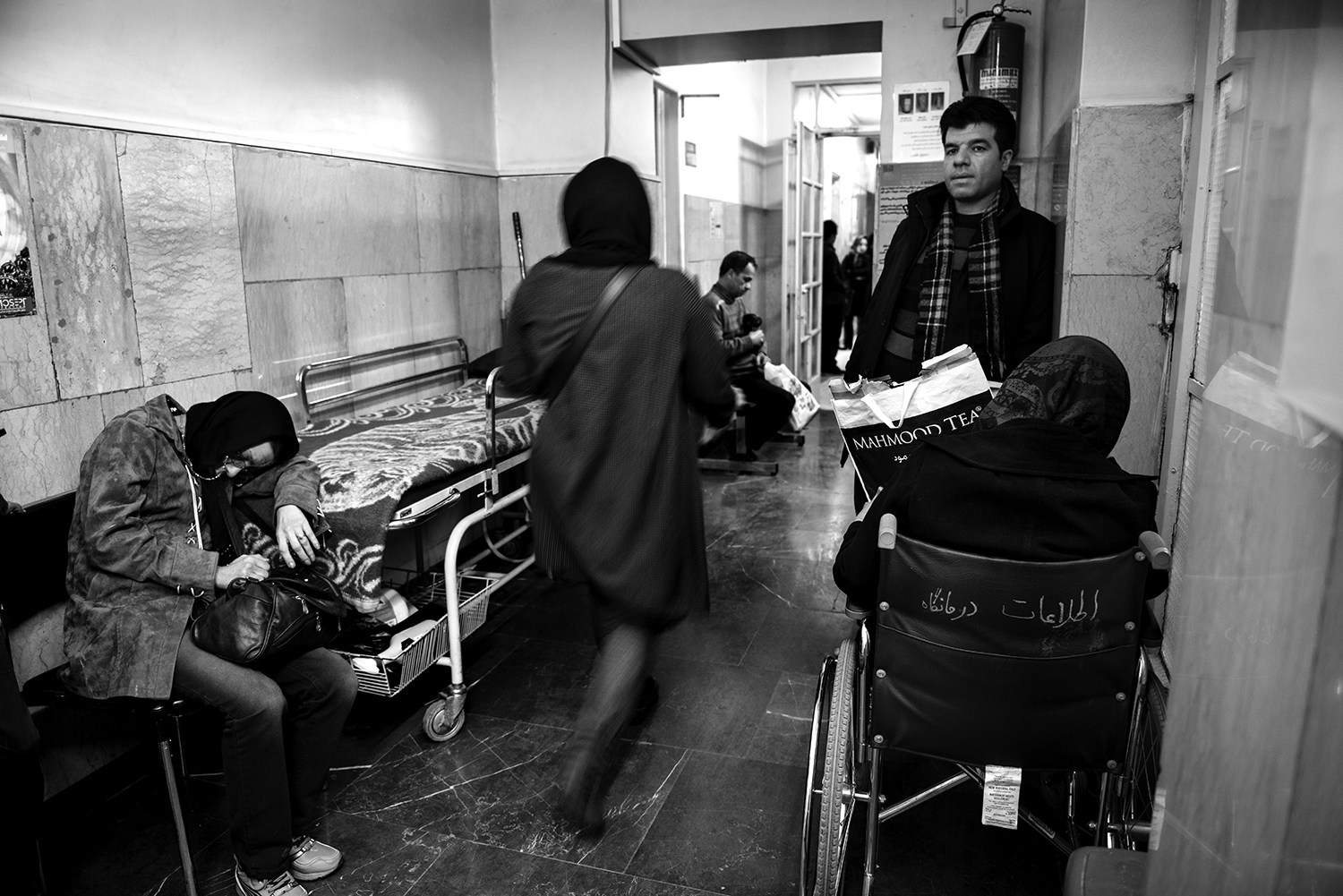
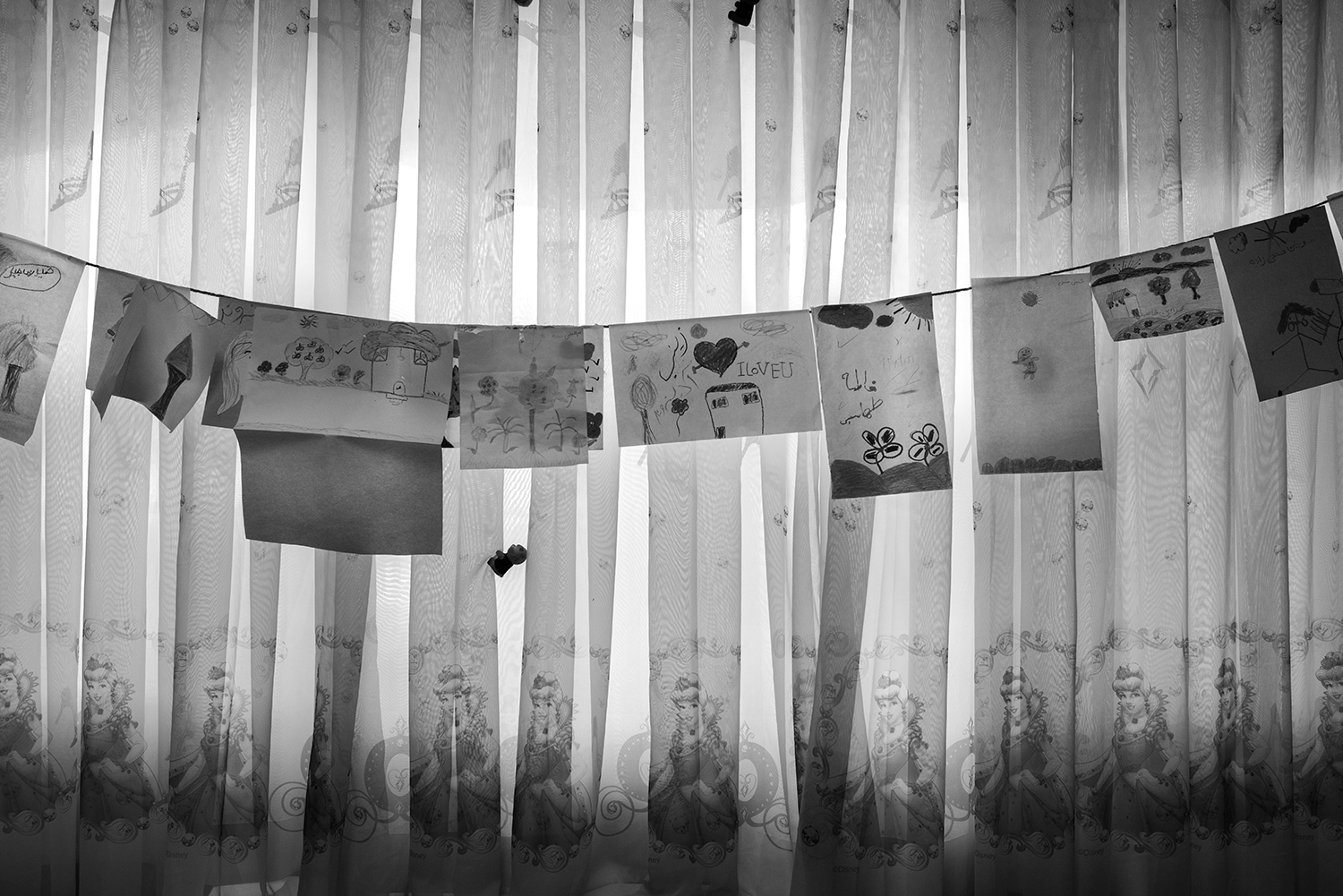
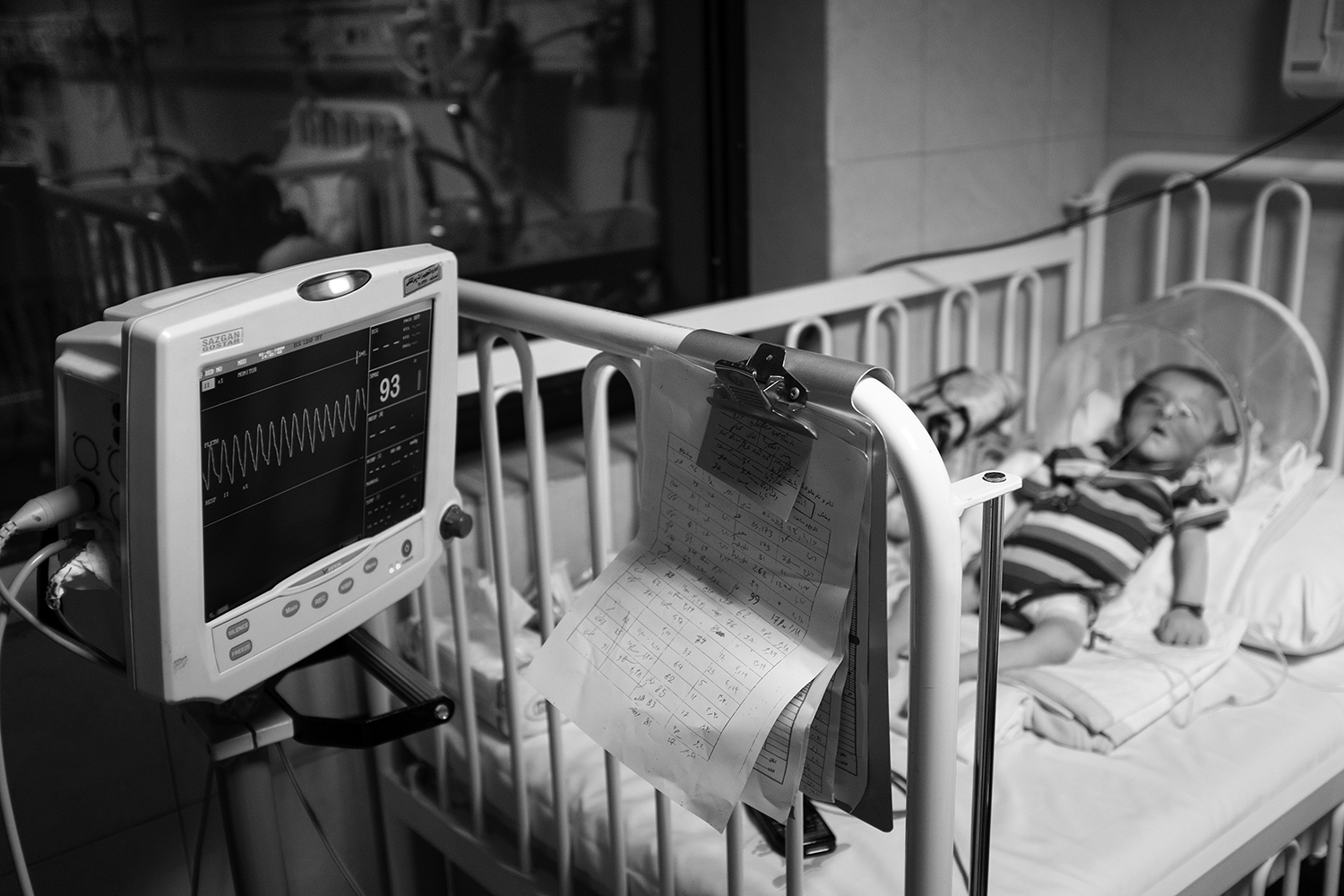
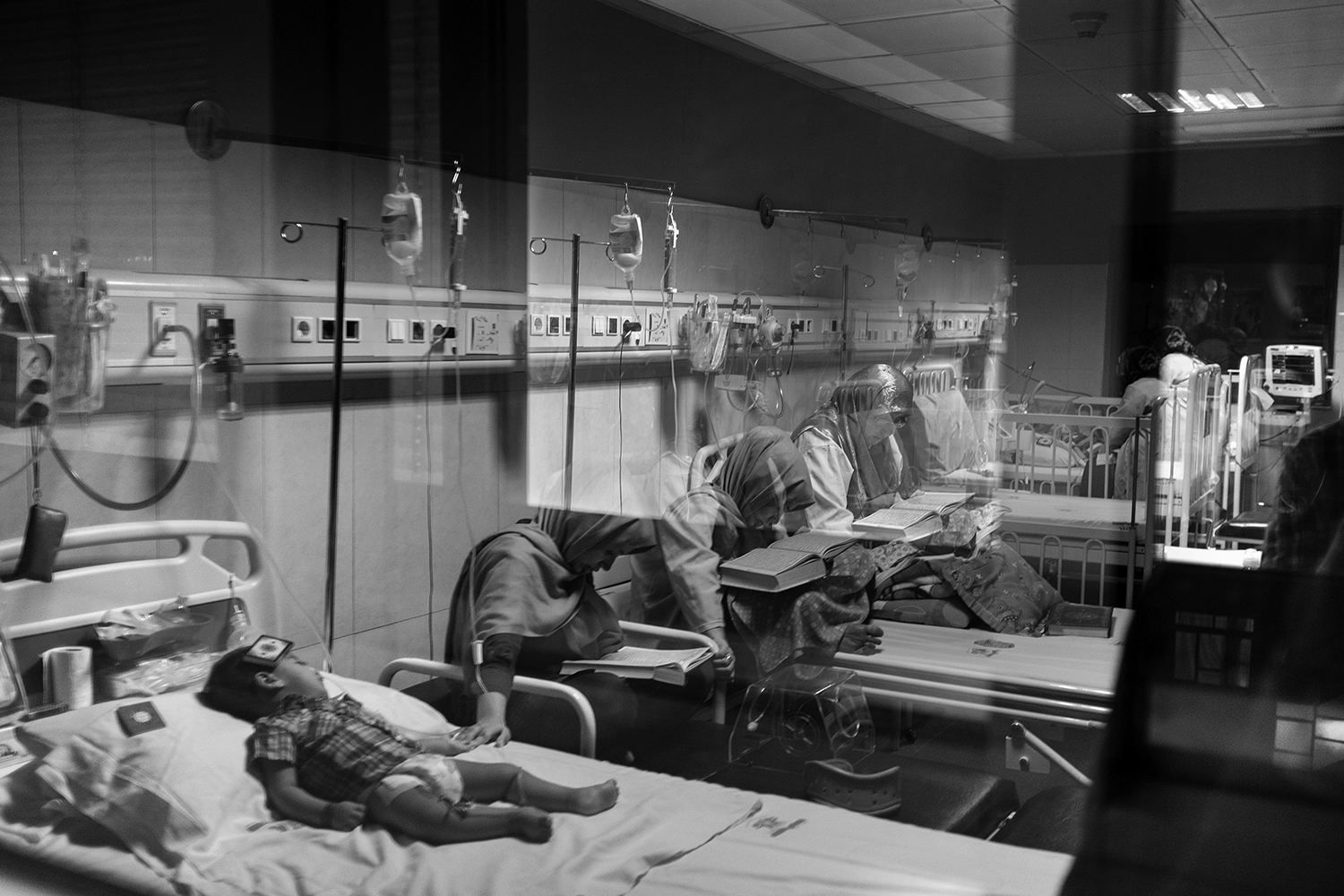
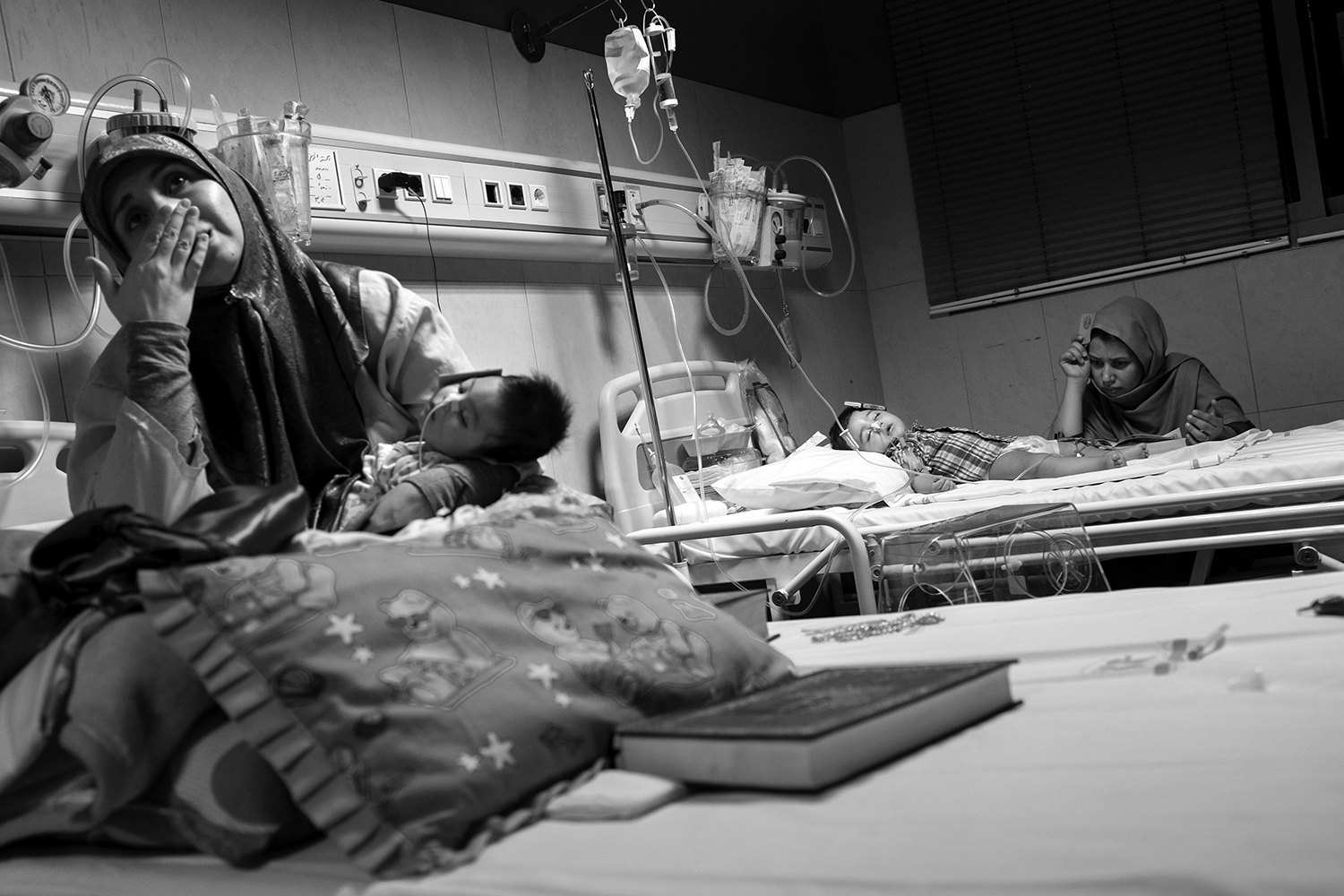
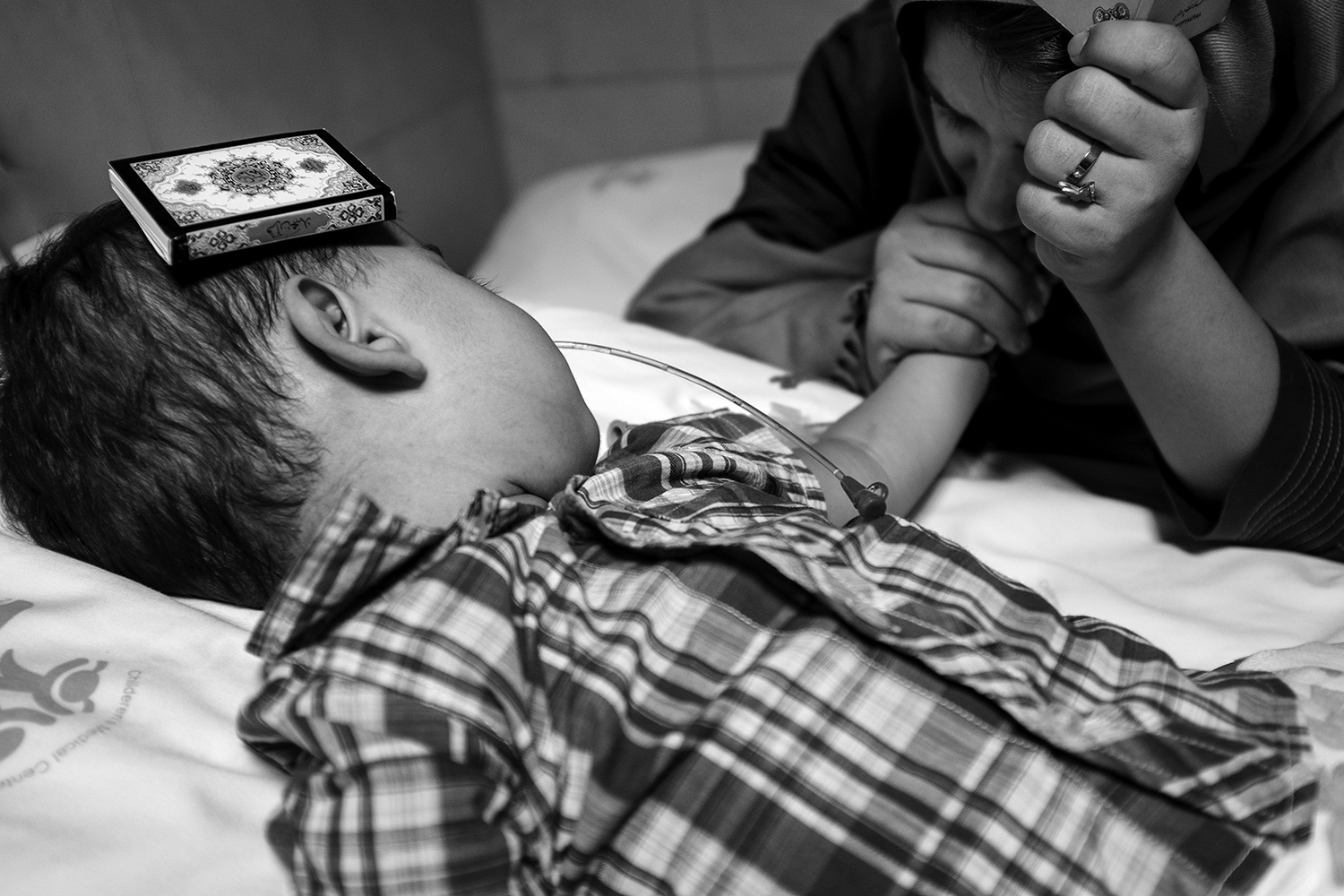
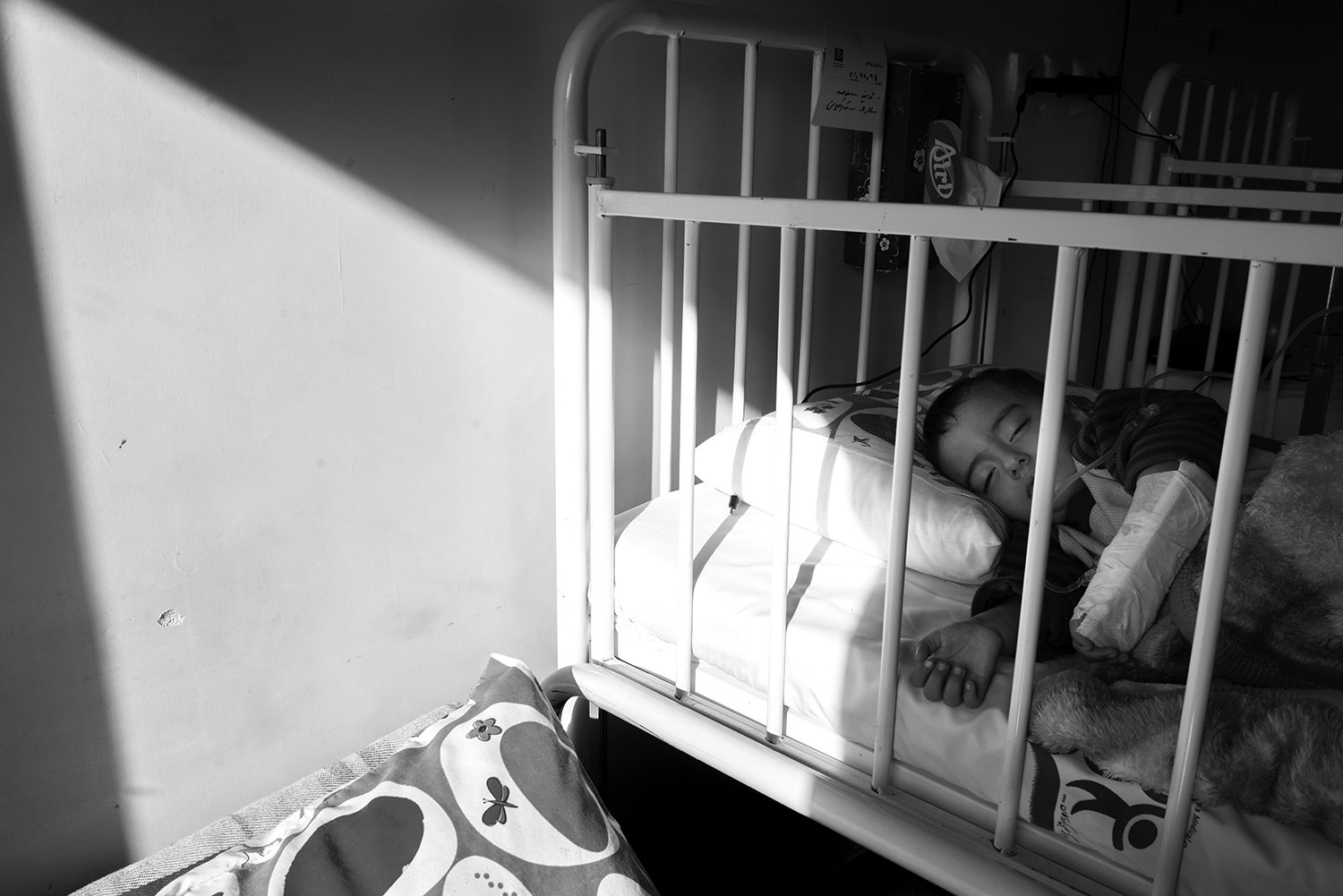
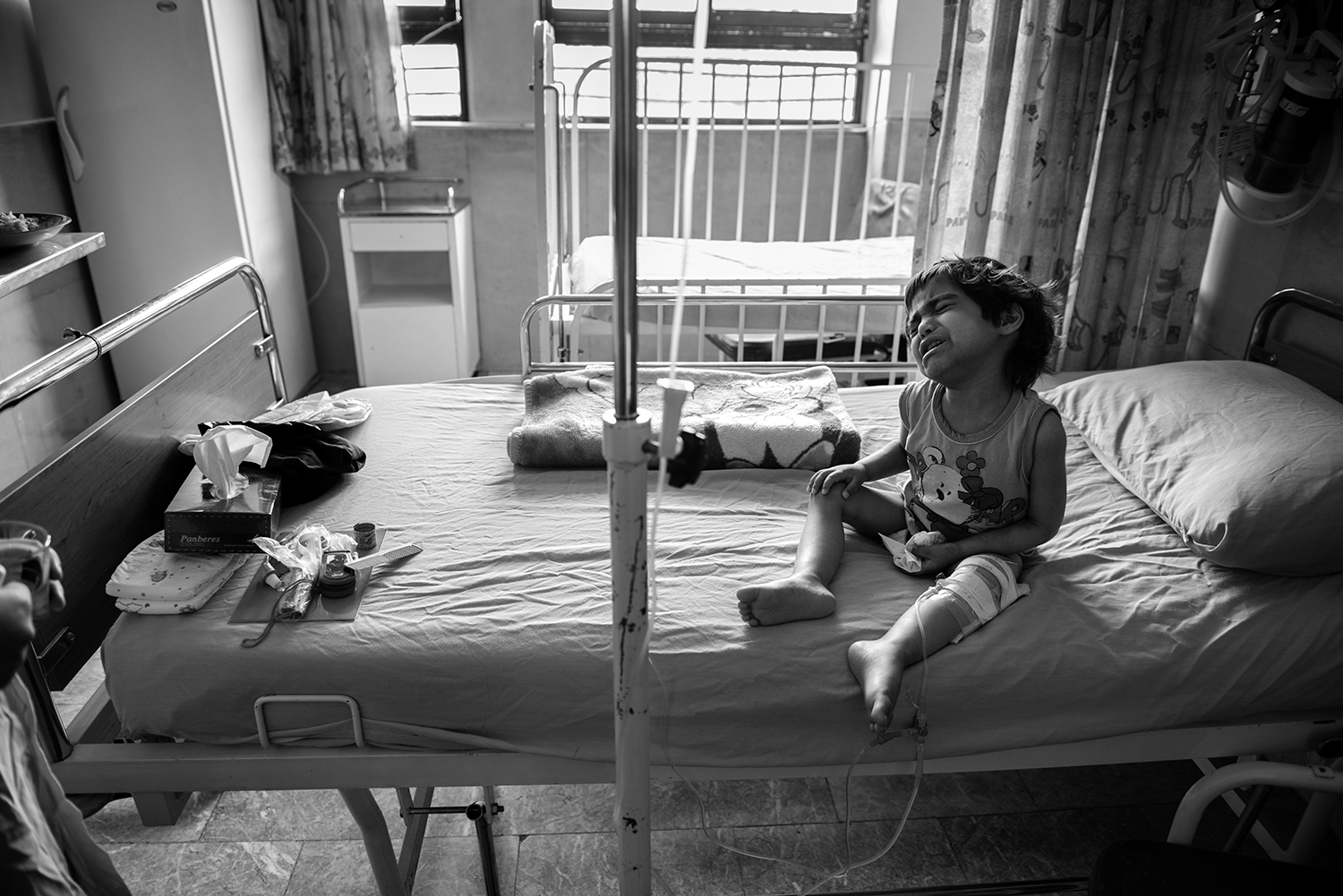
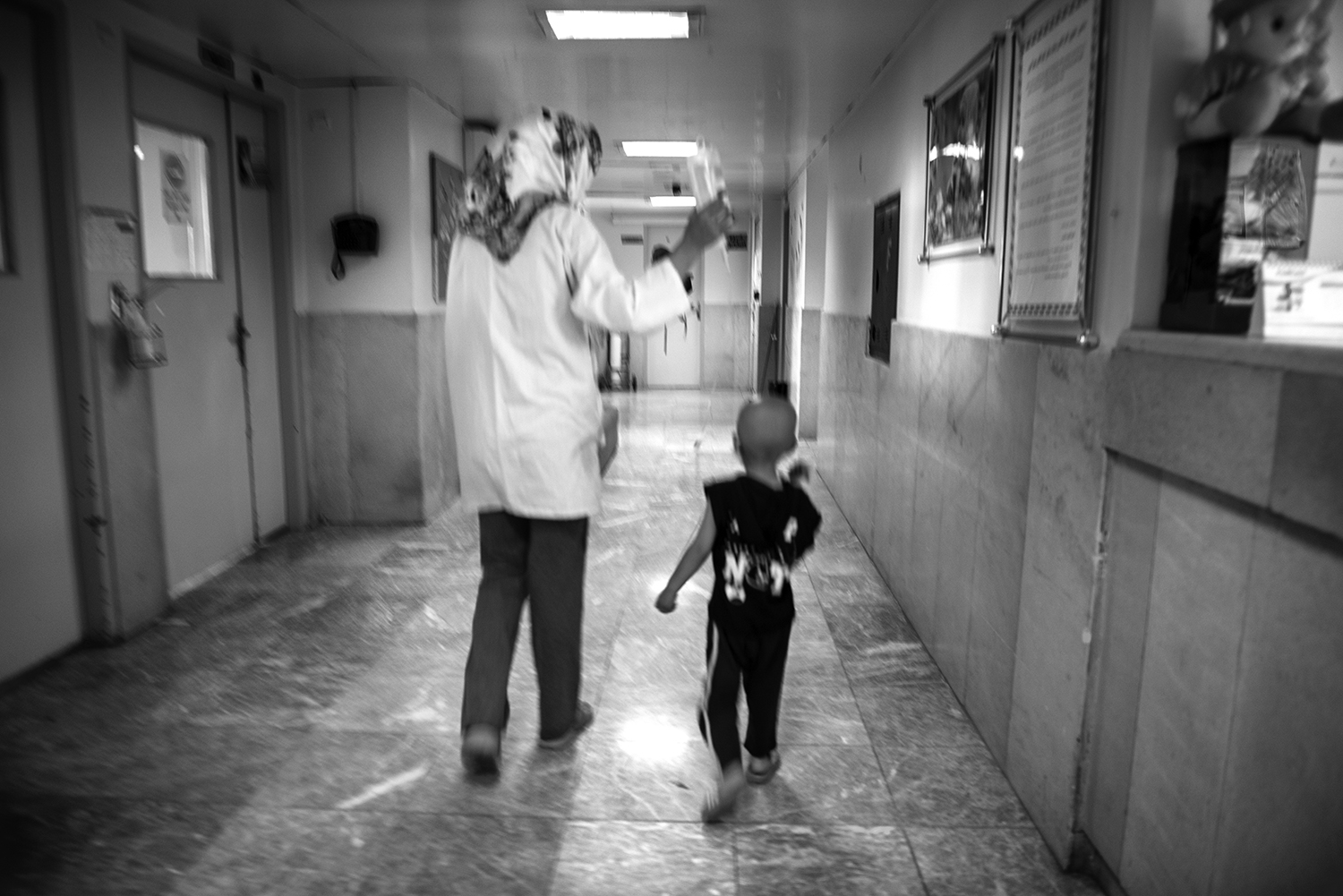
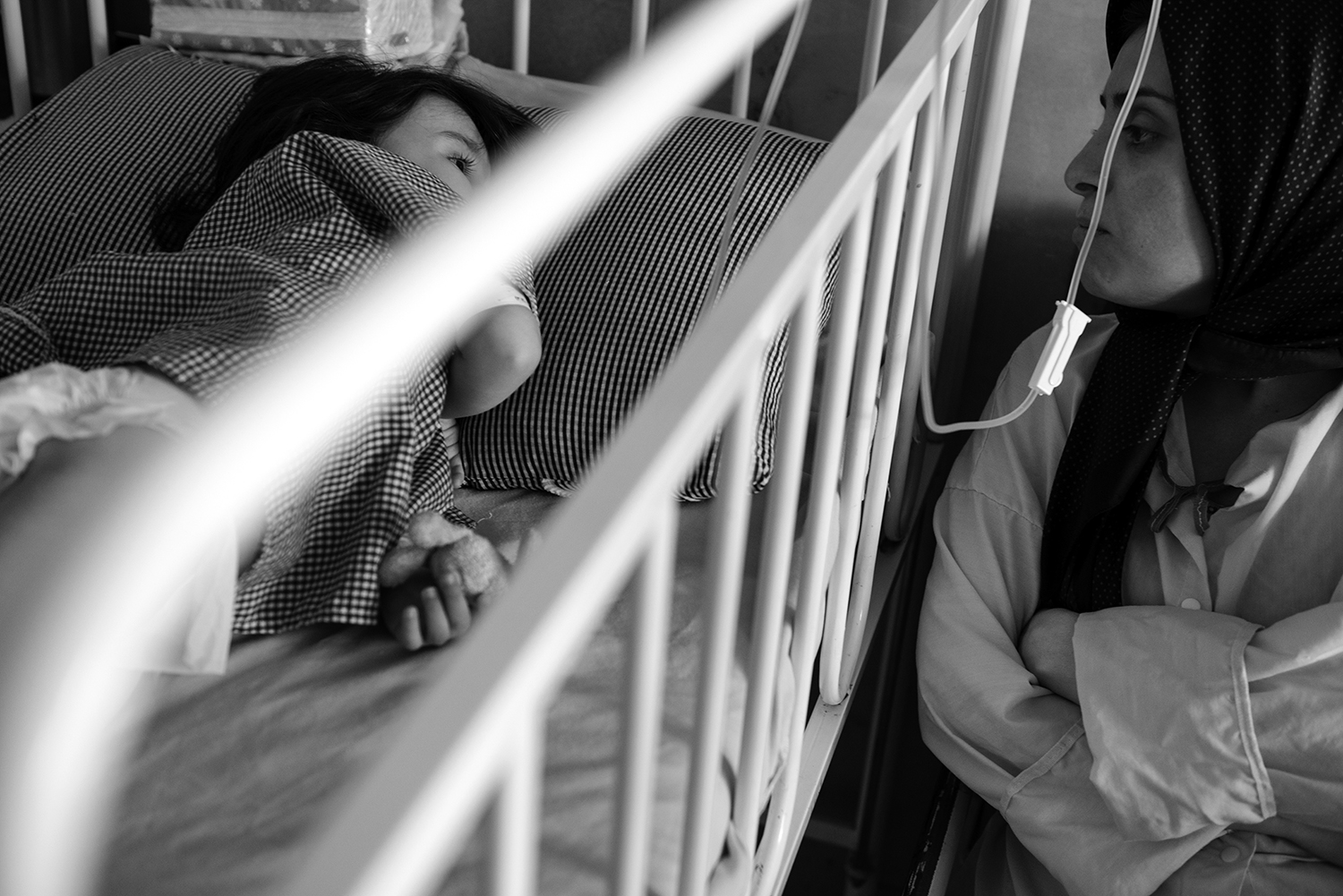
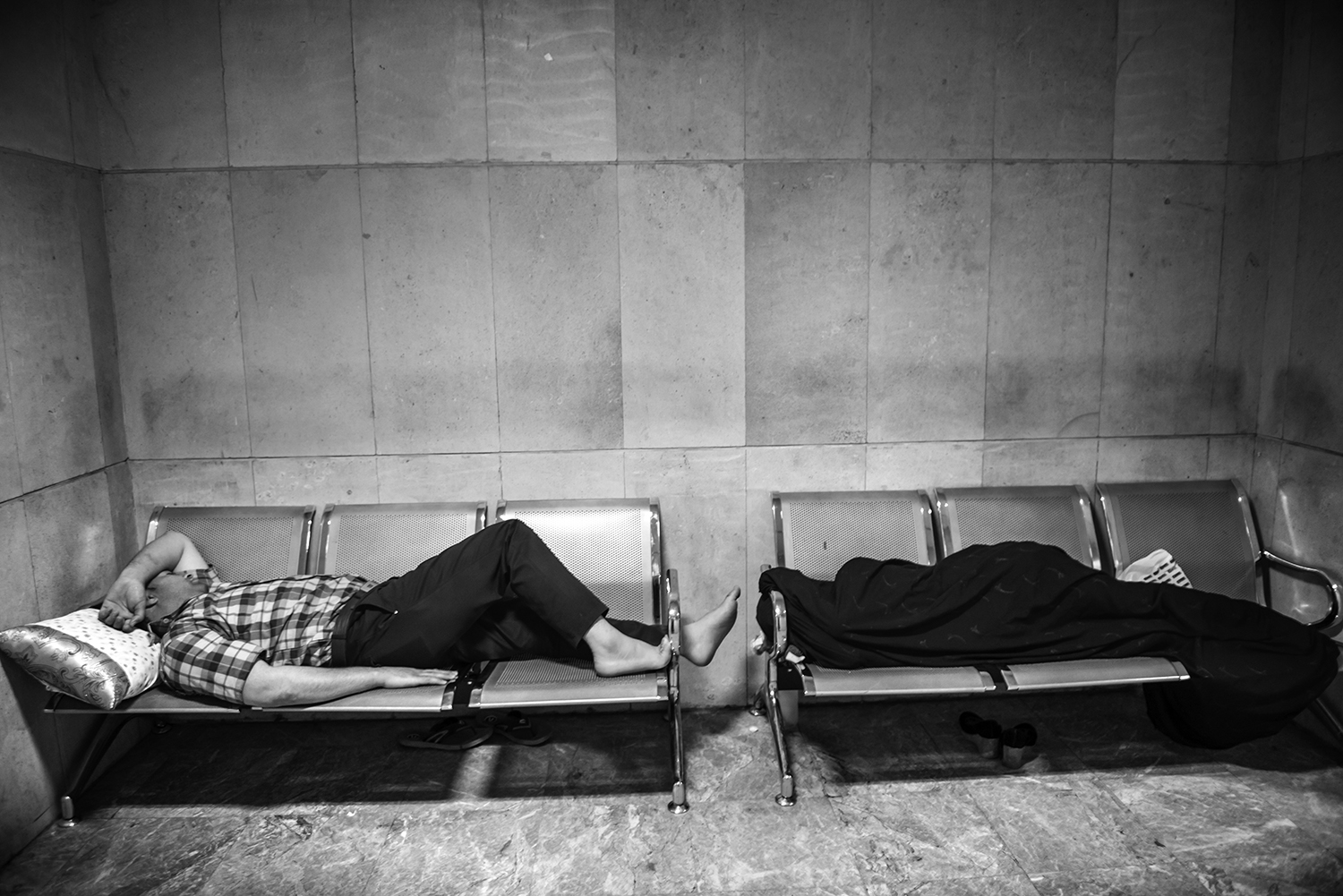
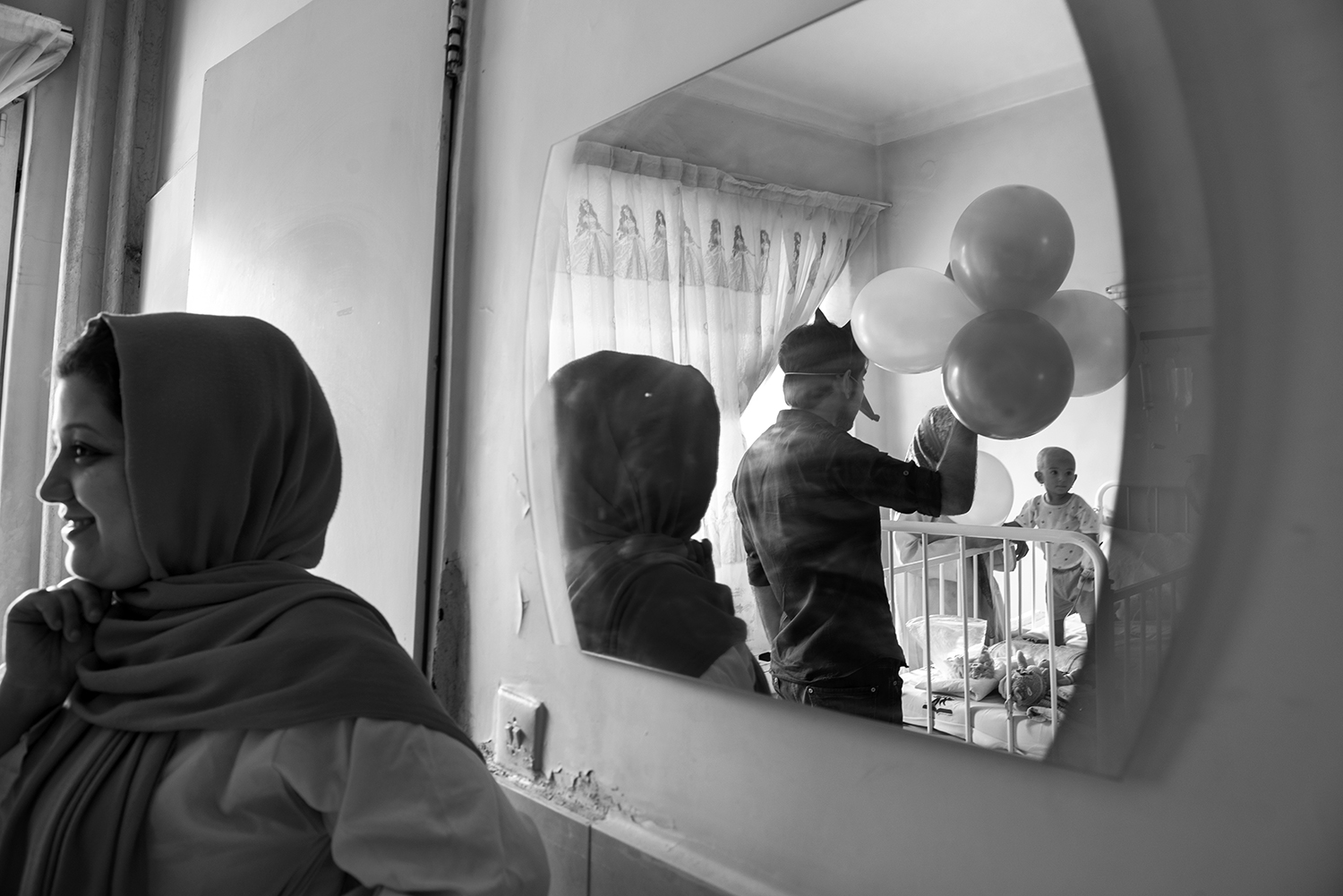
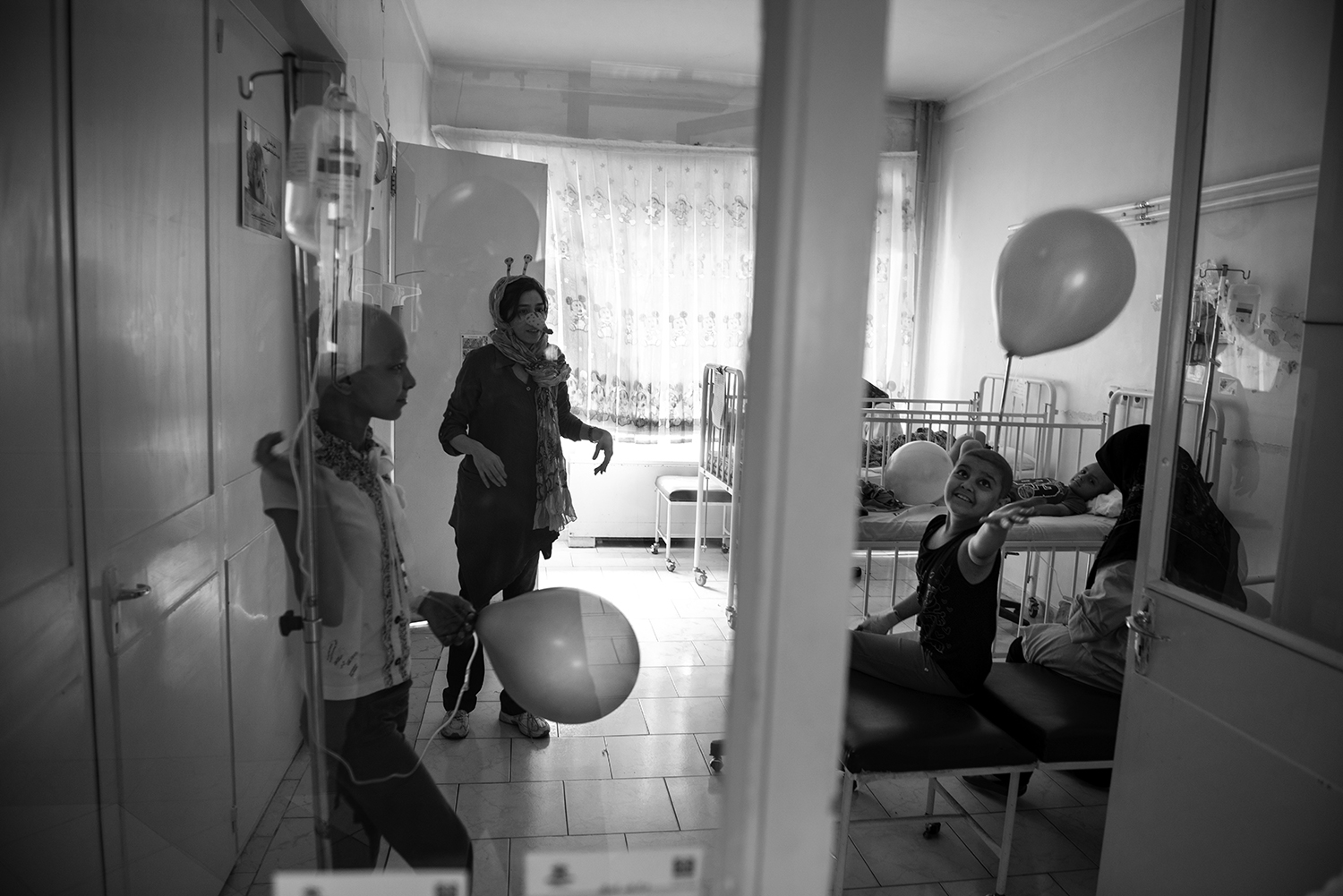
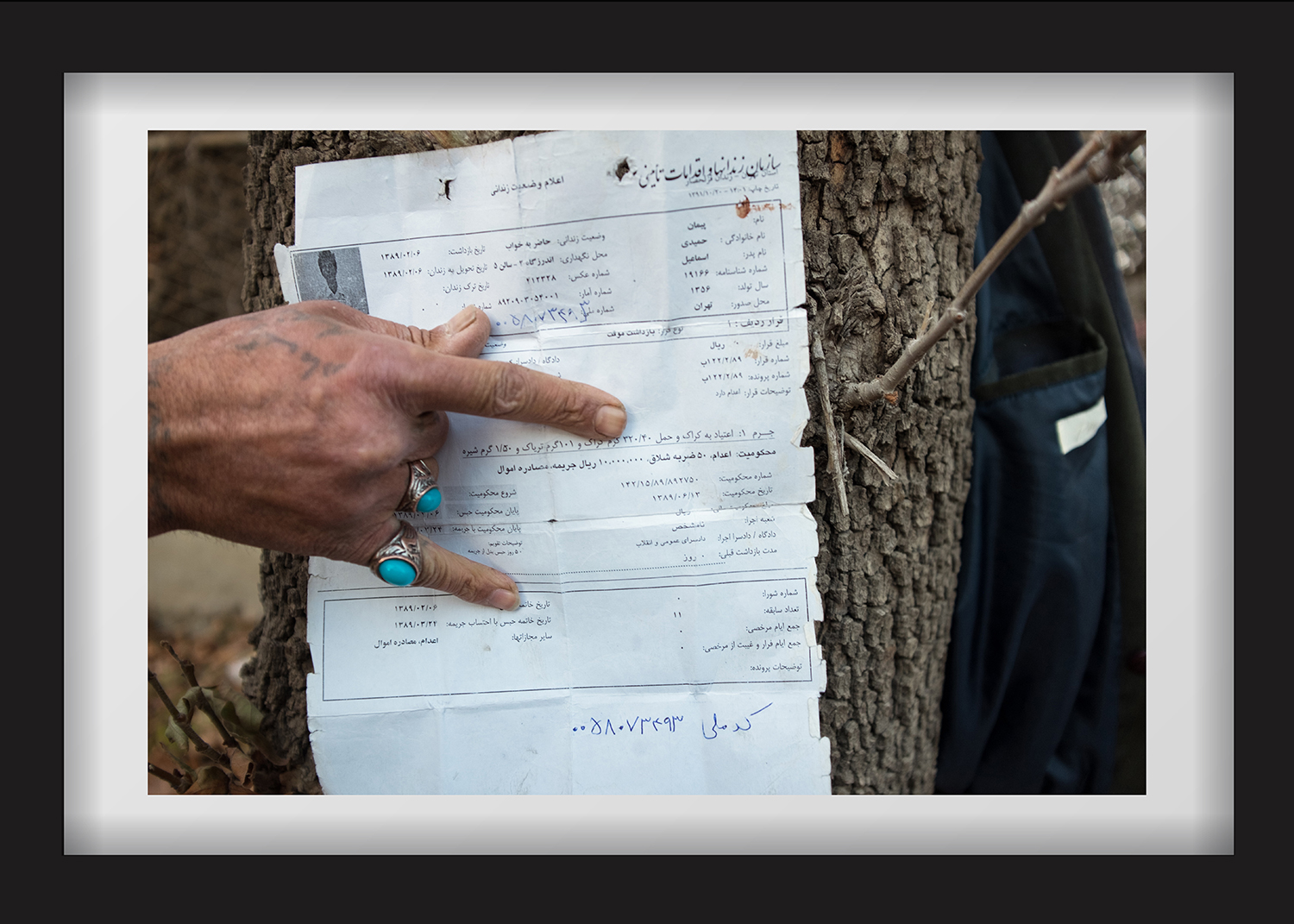
It all started from the last few days of year 2012 when I heard the sad news of my father’s illness. He was diagnosed with Liver cirrhosis. Cirrhosis is a condition in which the liver does not function properly due to a long-term damage of cells and irreversible scarring of the liver. Cirrhosis may come suddenly and unexpectedly but typically, it is a chronic disease which develops slowly over months or years. If the damage is not stopped, the liver gradually loses most of its ability to carry out its normal functions. I didn’t know what the cause of my father's fatal disease was. But I knew something for sure, and that was seeing him getting weakened day by day. But doctors had great hopes for him. They assured us that there were some treatment procedures which could slow or delay his disease progression. However, this condition unfortunately coincided with some significant changes in the country due to economic sanctions imposed by the West. My father’s illness along with the economic and social instability caused our family to face a crisis. We had been surrounded by lots of prescriptions for rare medicine while sanction statements were piling up at international agencies. During that rough time, patients and their families were frustrated with the struggle of going to pharmacies, either public or private, to provide their rare expensive medications. Medicine scarcity was indeed imposing a lot more pressure than the illness itself for patients and their families. Having been banned from conducting international financial transactions led many pharmaceutical companies to bankruptcy and therefore raised the price for drugs dramatically. These companies' being wiped out of the market was not only their owners' concern anymore; it was also the concern for thousands of patients whose lives depended on those medications. With a quick look at Iran on those days, we could see an invisible connection among people because of the shared pain and challenges they were facing. This difficult situation made living so unbearable for citizens, especially for patients and their families, that sometimes going through one day seemed like a century. Without doubt, medicine sanctions against Iran was a silent war in which the battlefield was people's homes and their everyday lives; an invisible war without news coverage and medias close attention. This collection is trying to demonstrate not only these patients and their serious chronic diseases but also a social phenomenon caused by so called “scraps of paper” and sanction statements. This is clearly just one example from many other silent wars people have been facing in the last decade or so. I had the honor to have some great friends’ sincere guidance and support throughout this journey. I should thank Mohammad Mehdi Rahimian, Farhad Soleimani, Mohammad Norouzi, Saeed kiaee, Mohammad Hossein Iravani and Marzieh Shafikhani.























HARM
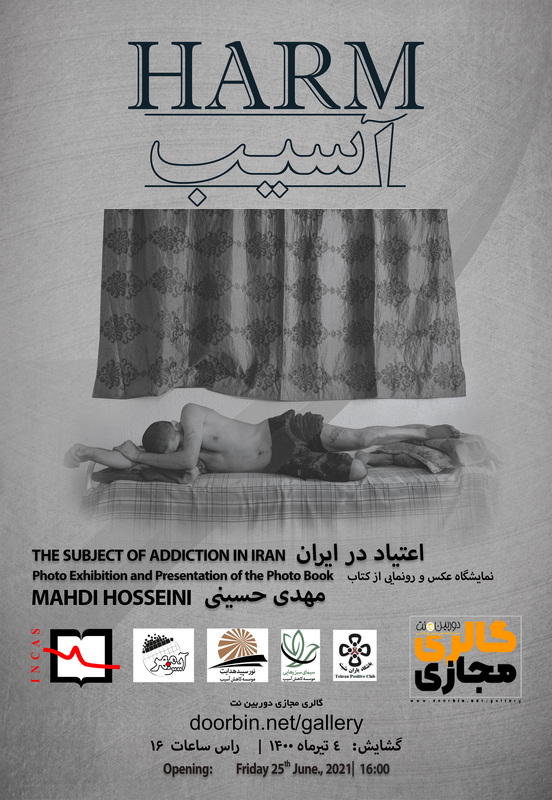
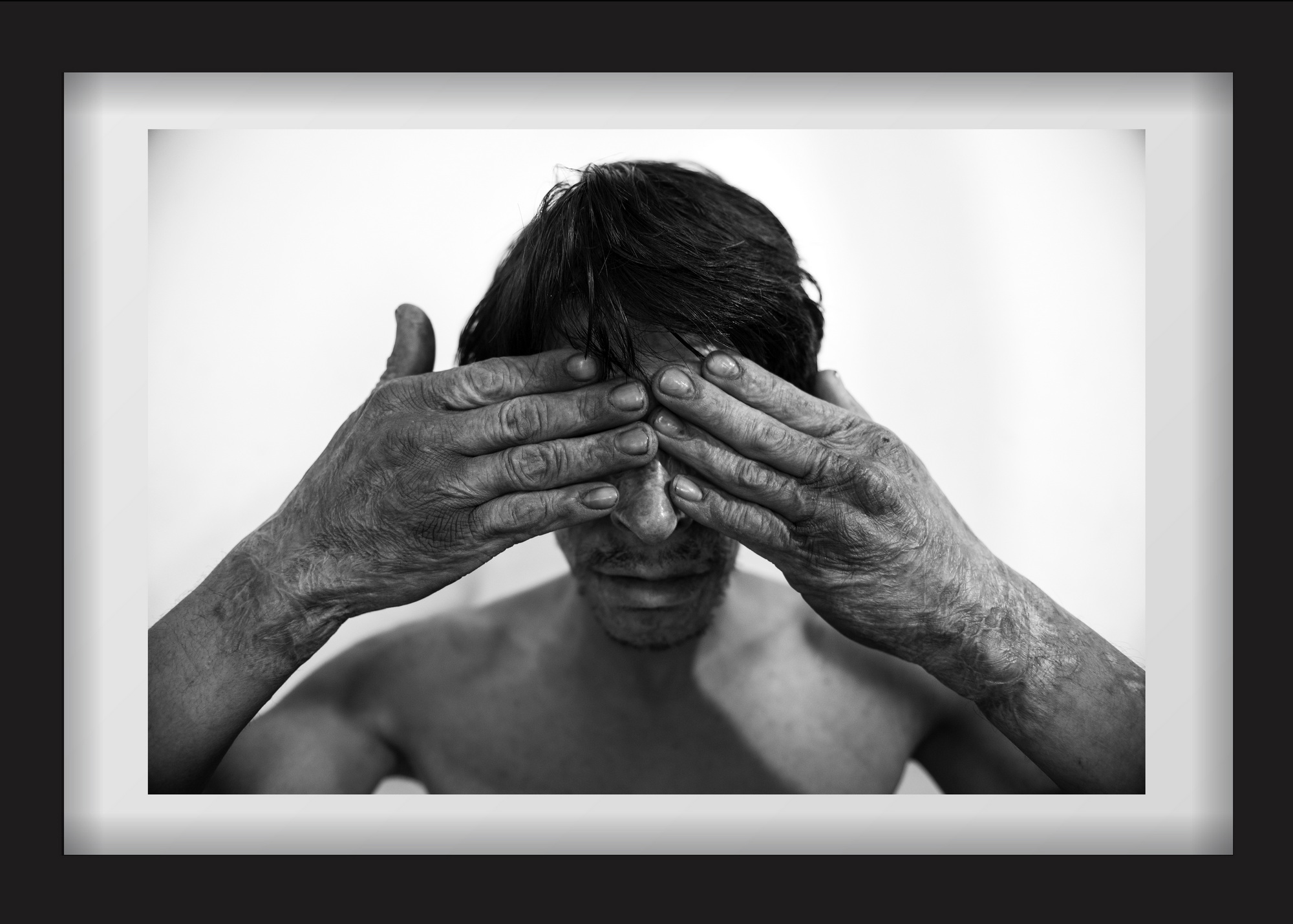
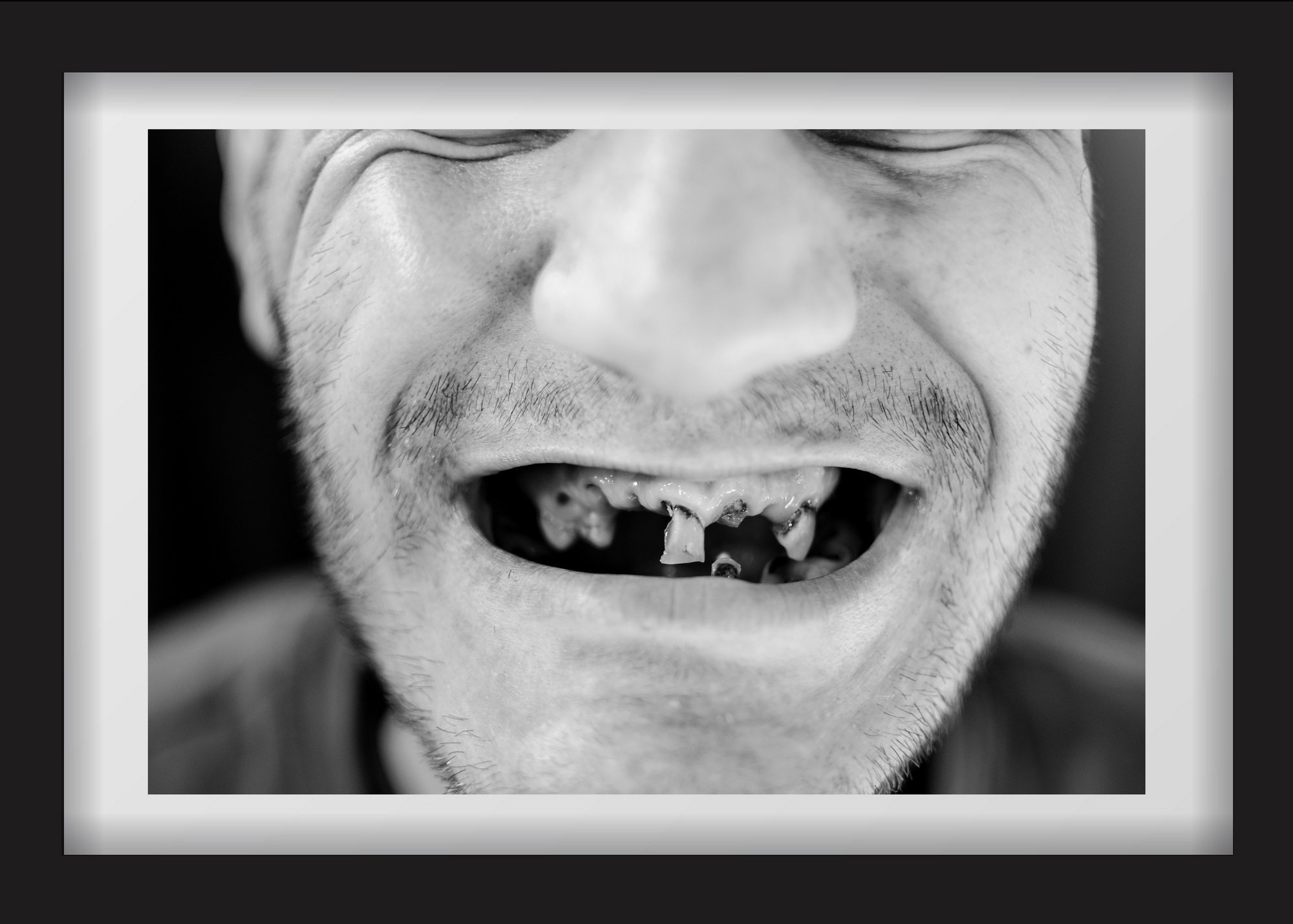
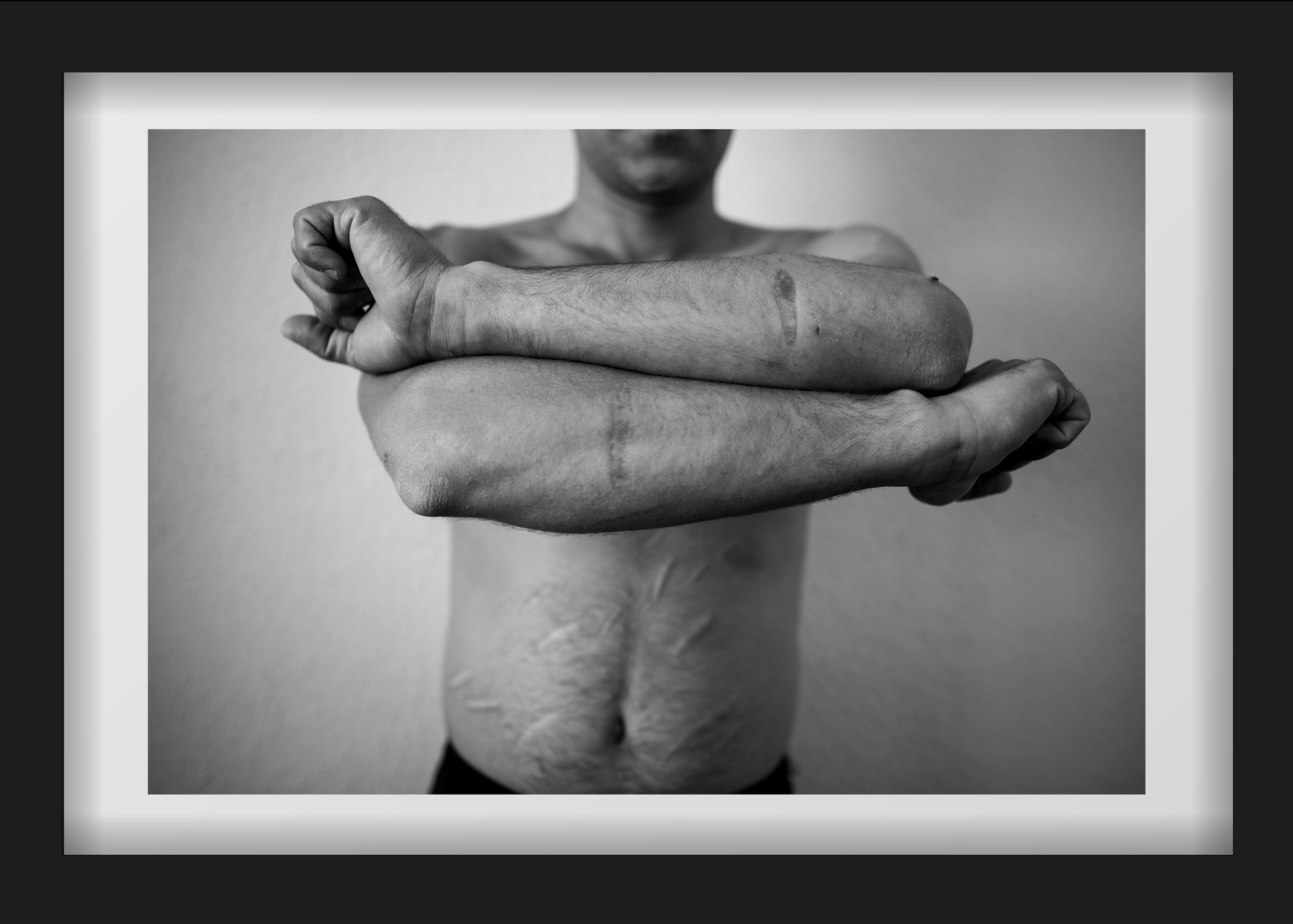
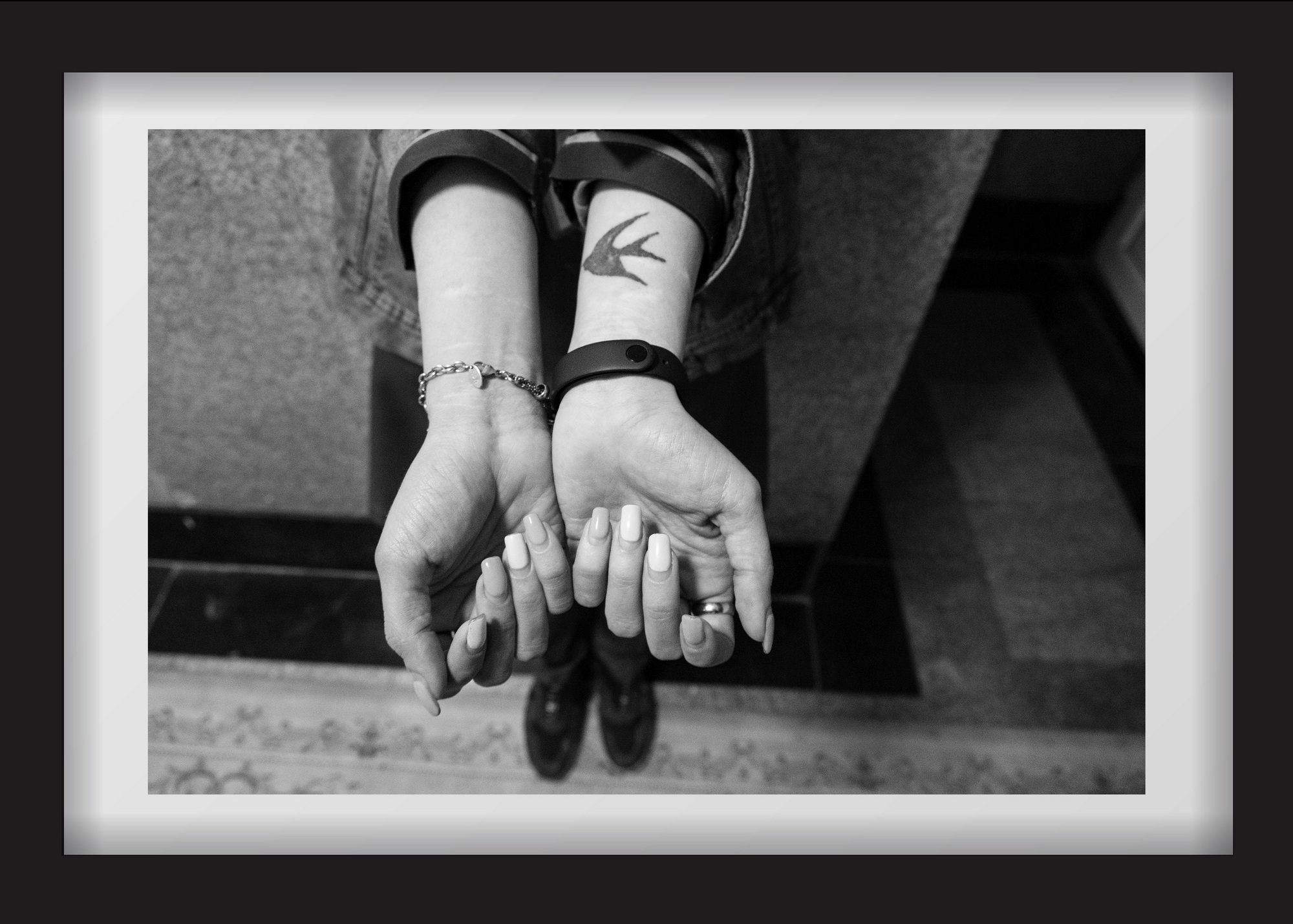
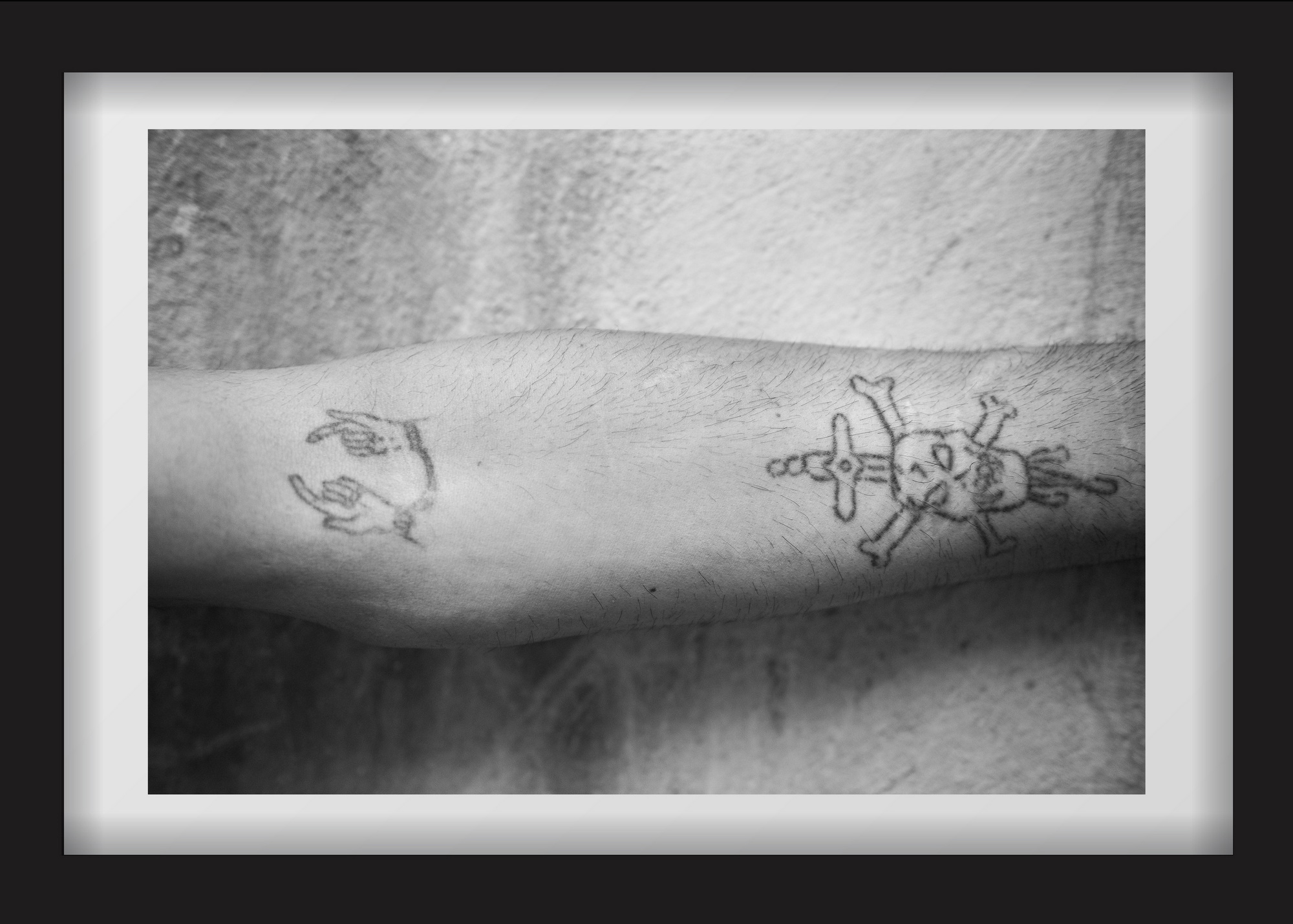
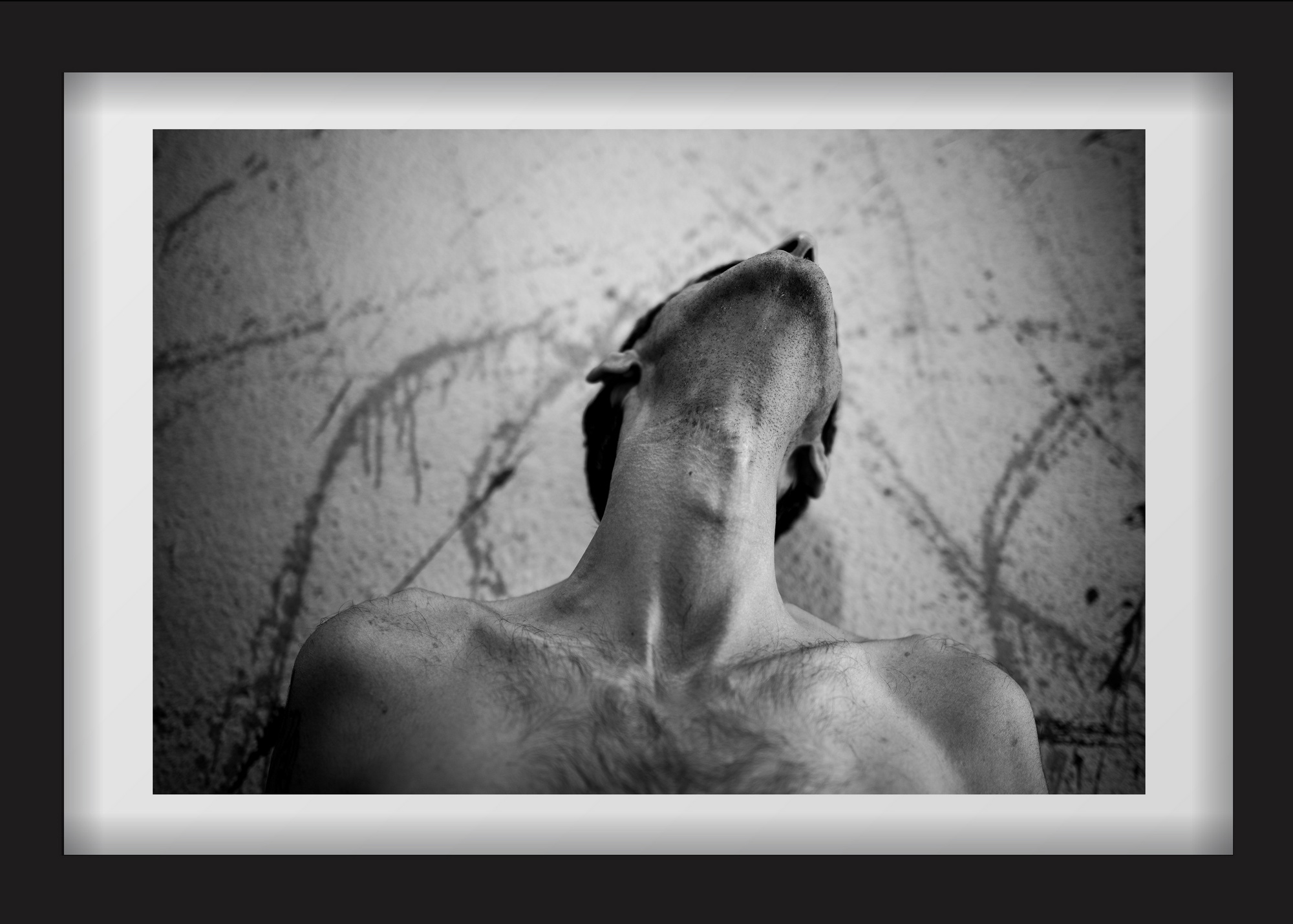
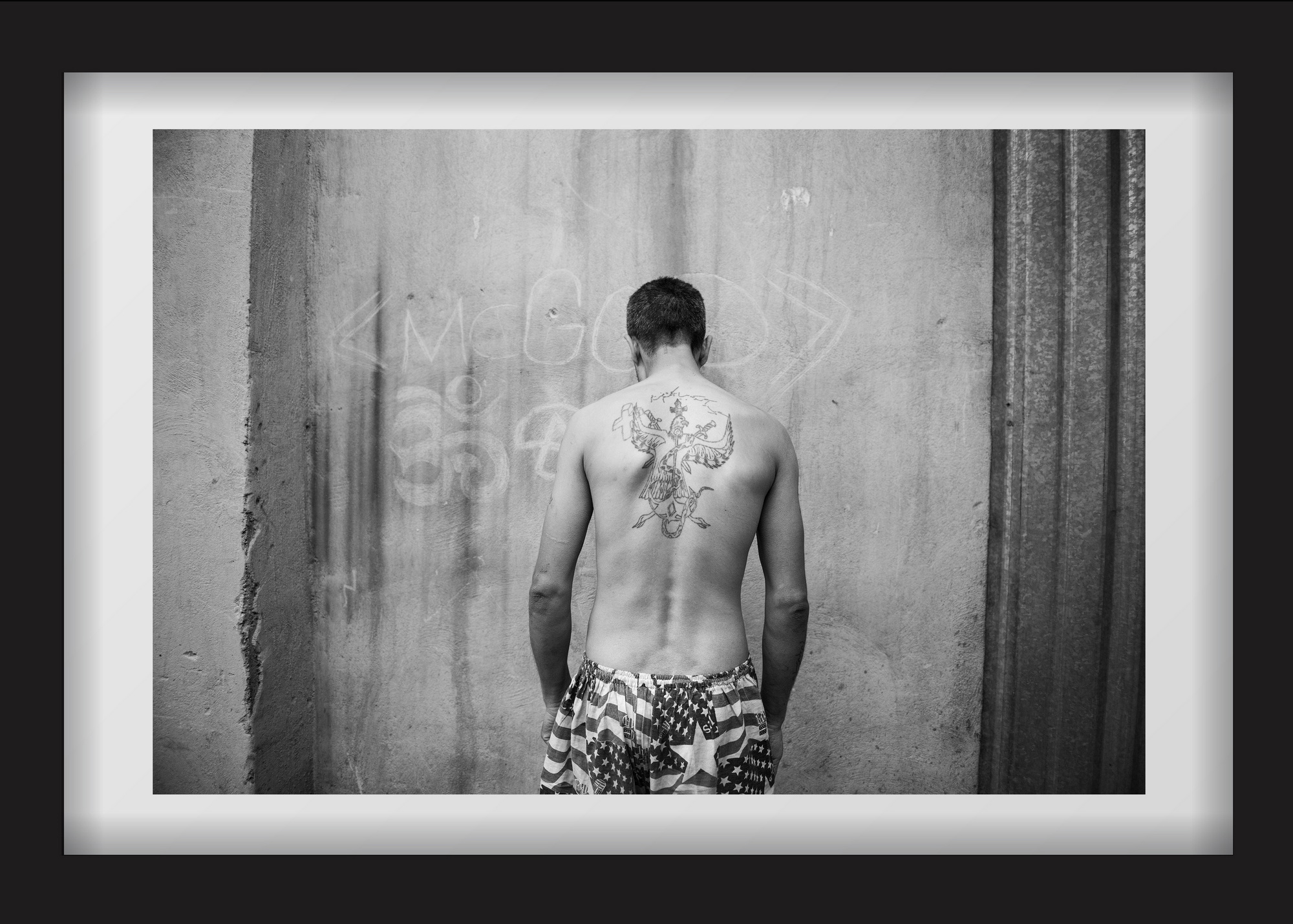
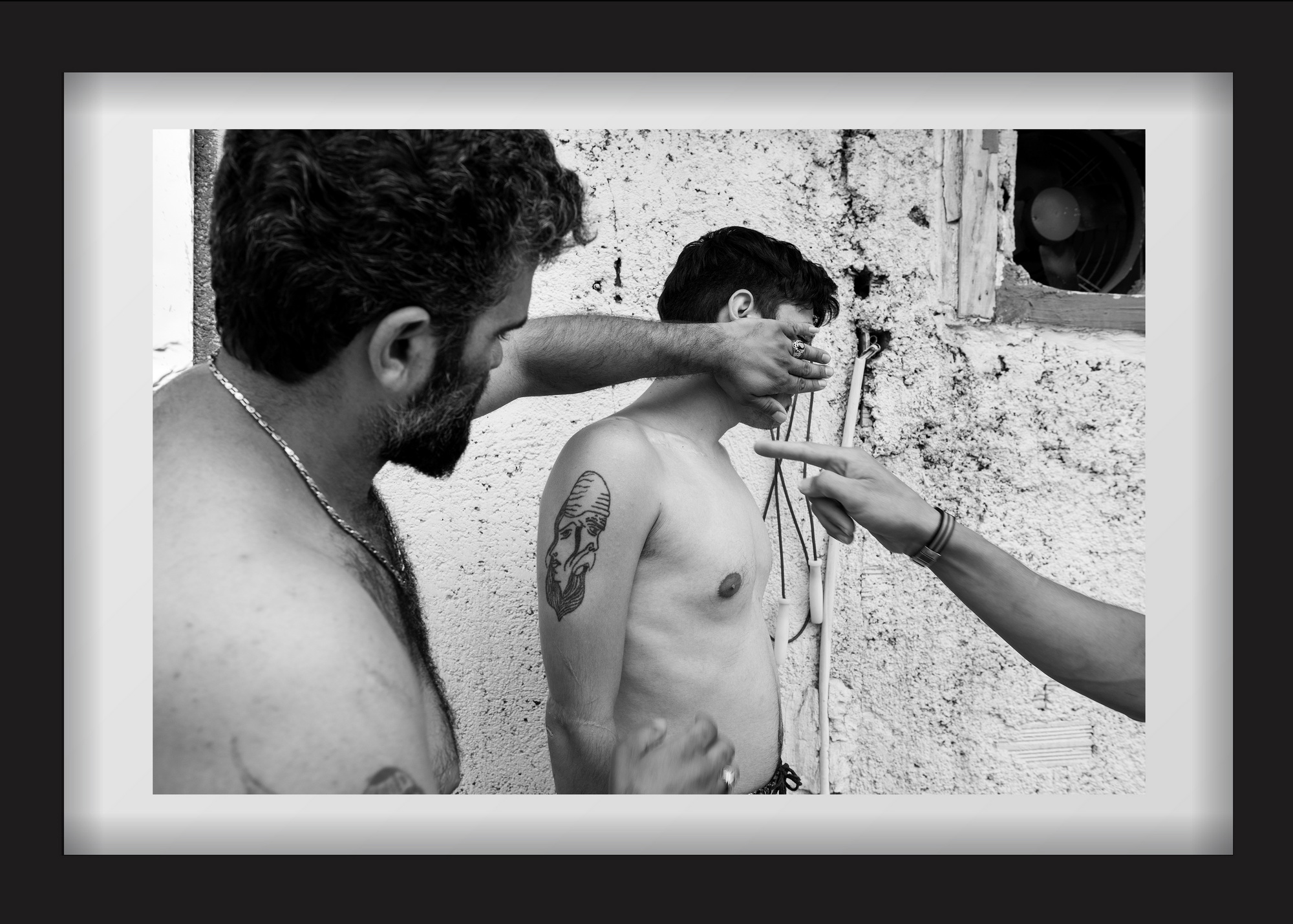
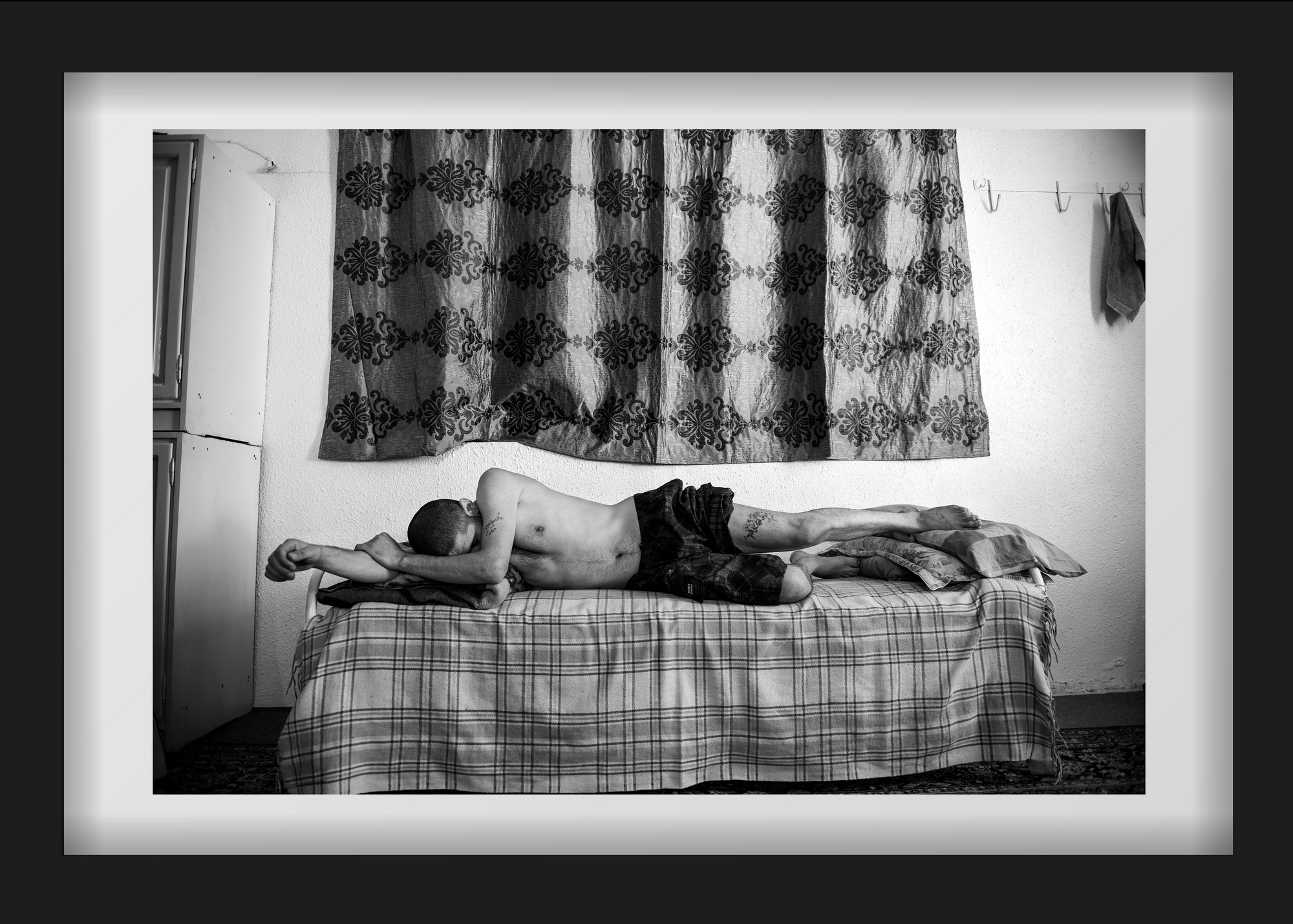
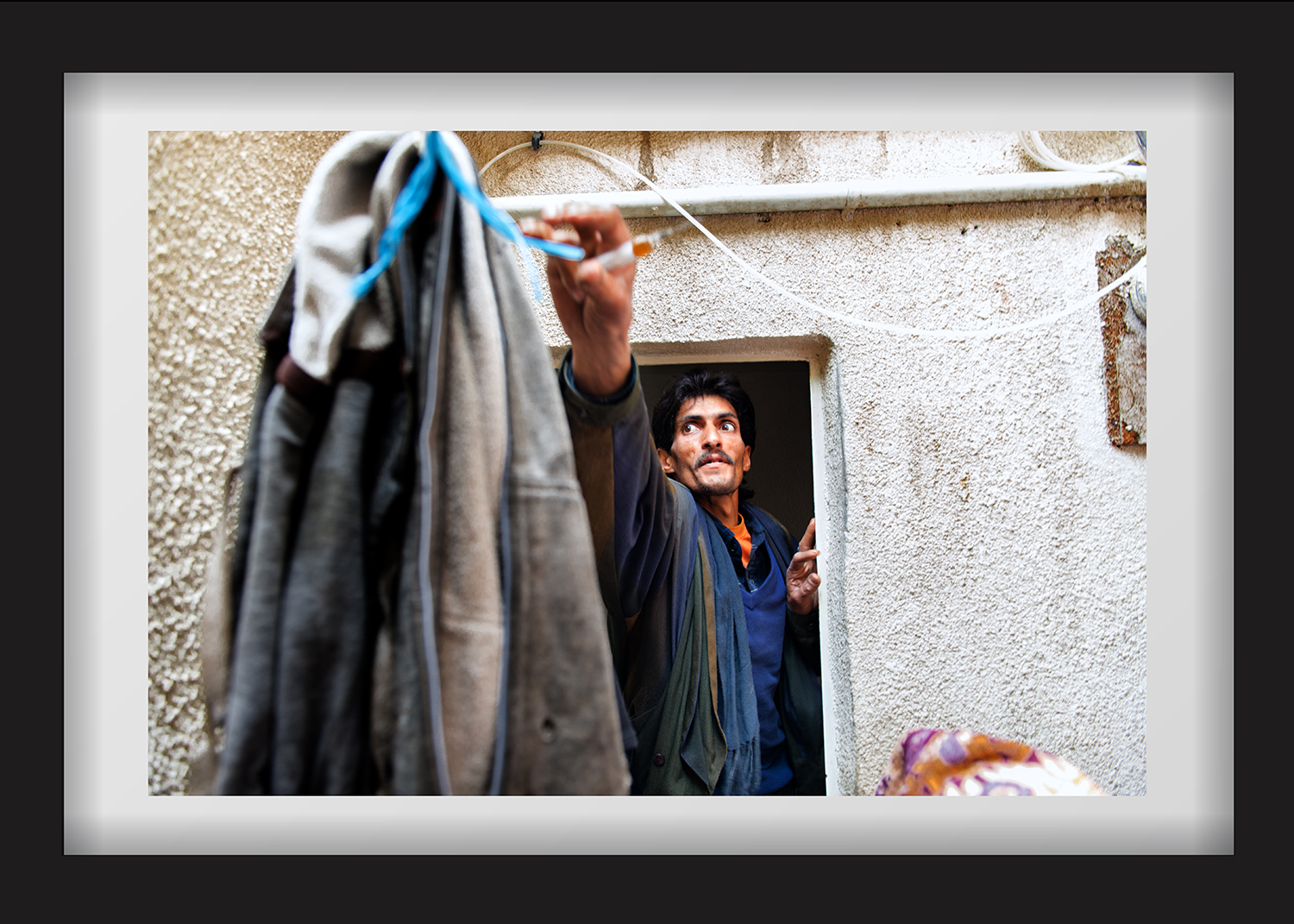
The issue of drug and stimulants addiction has always been of interest to everyone in the society. From a behavioral point of view, anything that has become a habit is called addiction, which mainly causes people to have common characteristics. The present collection is the result of study, research and more than 8 years of attending addiction hangouts and camps and accompanying addicted people. People who live with this disease and some have had it since birth. The first subject addressed is tattooing, illusion, dreaming and fantasy, as a common language between addicts that is the product of their minds and personalities. Symbols express one's inner dialogue. Signs and targets that are etched in the mind of the addict can occur at any times in prison or in non-public places. Tattoo on a person's body is for satisfying the feeling of belonging and need for others, and for attracting attention and creating value. The second subject is the environment of addiction and its effect on people in hangouts, which sometimes causes conflicts between them. It can lead to damages that can sometimes occur in the form of self-harm and sometimes the reaction of the addicted person to others. These behaviors also create a mental reaction for the individual and they may enjoy seeing the blood during self-harm and cause relaxation. The third topic is a research on the interactions that occur after substance use and the effect it has on their body. It can damage an addicted person's body, such as the gums and teeth. The present collection looks at addiction as a disease in which various factors play a role. The shared lifestyle and the damage to drug users have been exposed without mentioning the names of the people. This collection is the result of the support of a compassionate person in this field named Mr. Alireza Mahdigholi (known as Haj Ali Safkar). In the hangouts section, I have benefited from the cooperation of Mr. Habib Bahrami (harm reduction institute of Siamaye sabz rahaye). I would also like to thank all the physicians who specialize in reducing social harms, Dr. Seyed Ahmad Seyed Ali Naghi, the artistic director of the book, Dr. Mohammad Sadegh Shirazi, Dr. Mohammad Reza Haddadi, Dr. Shahla Mirfakhraei and Mr. Farhad Soleimani, who all accompanied me on this path.






This is not A story
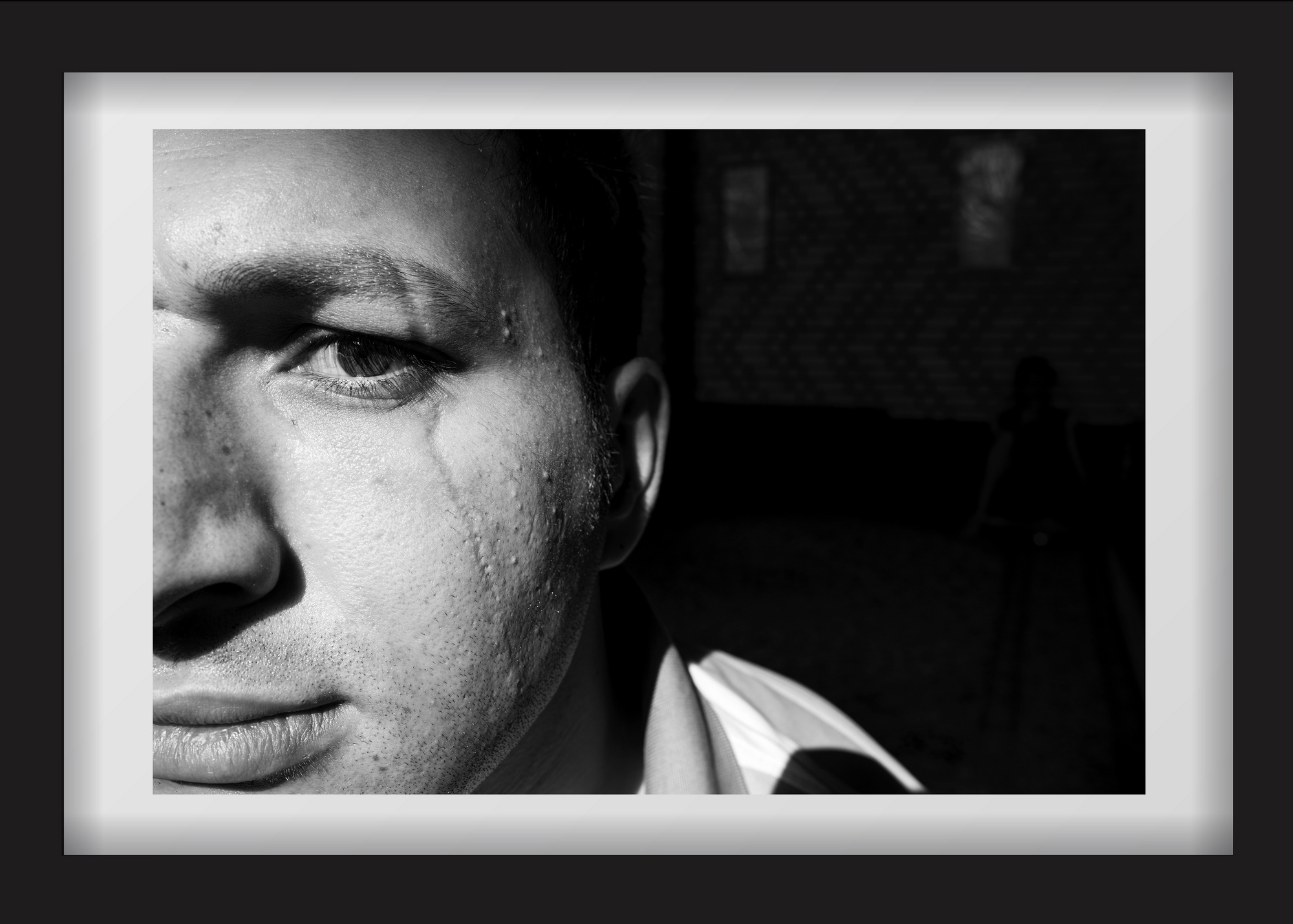
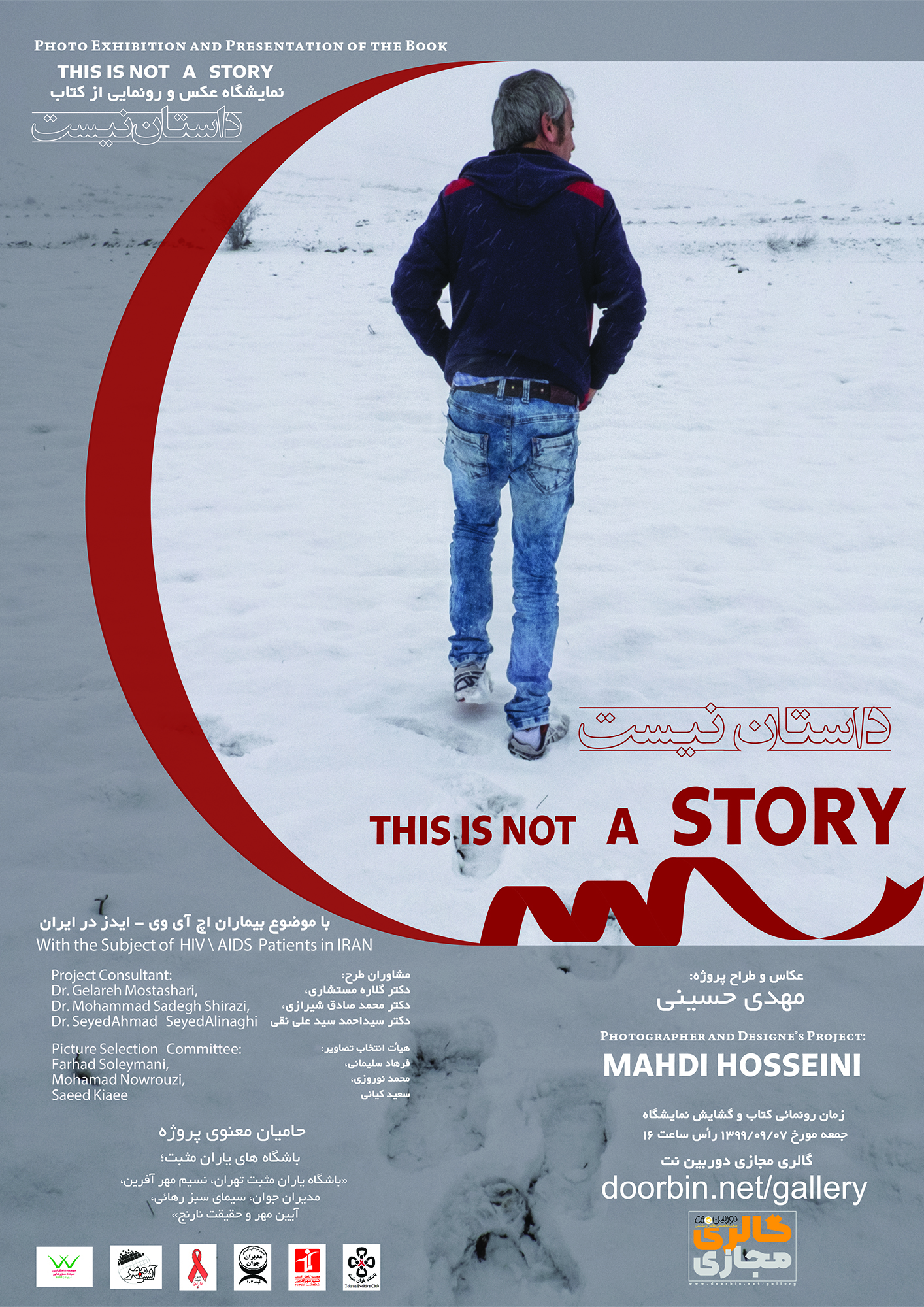
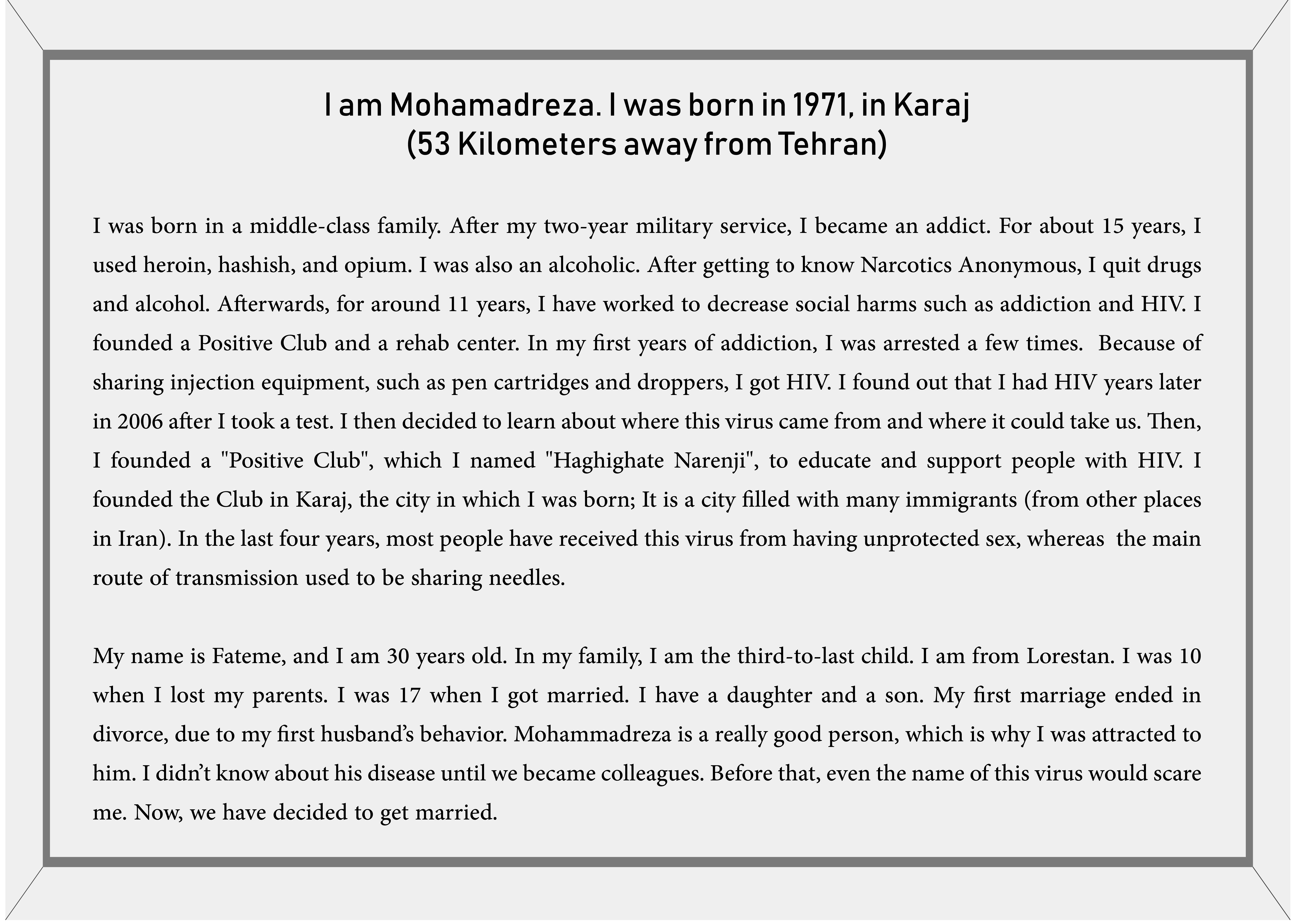
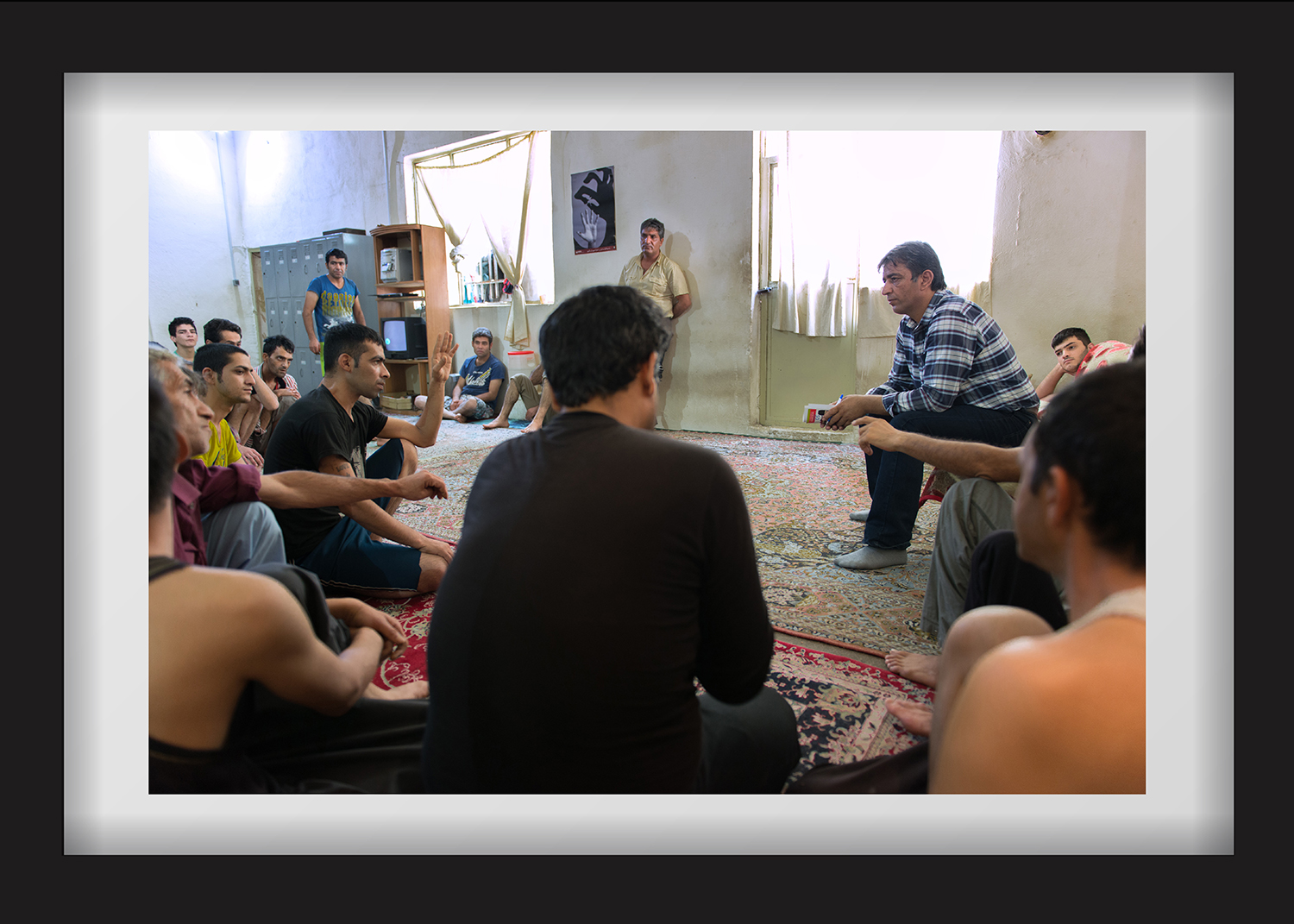
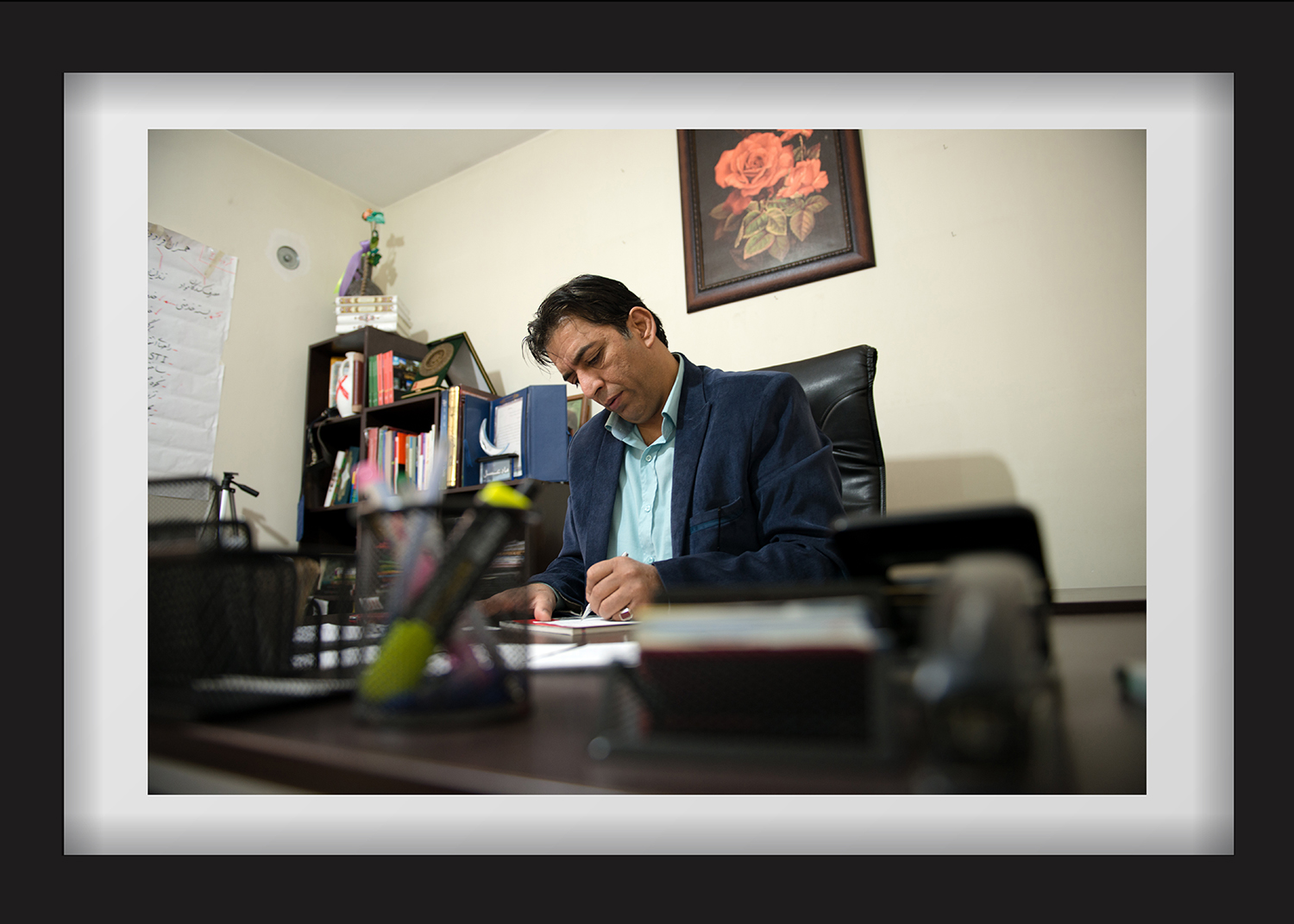
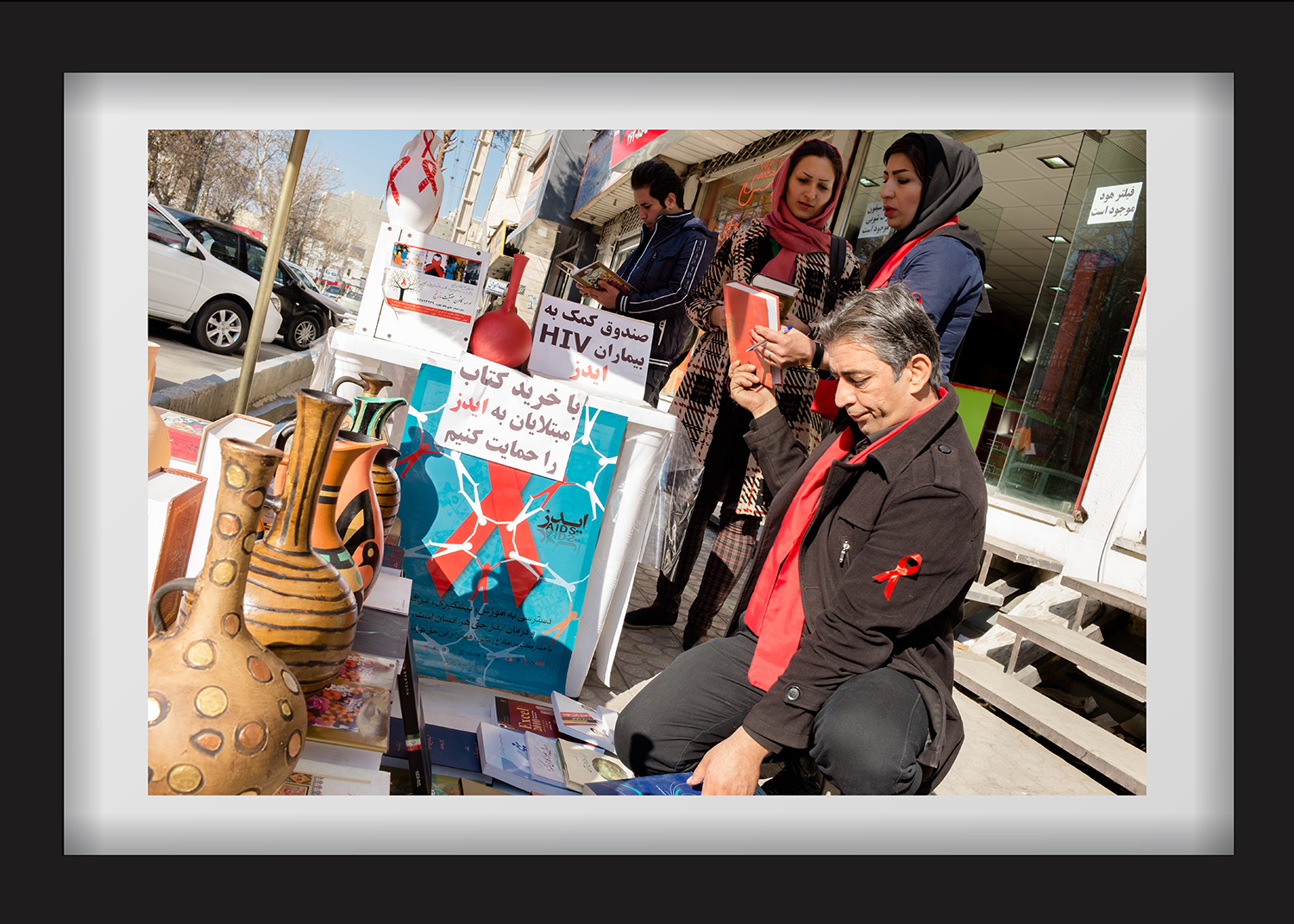
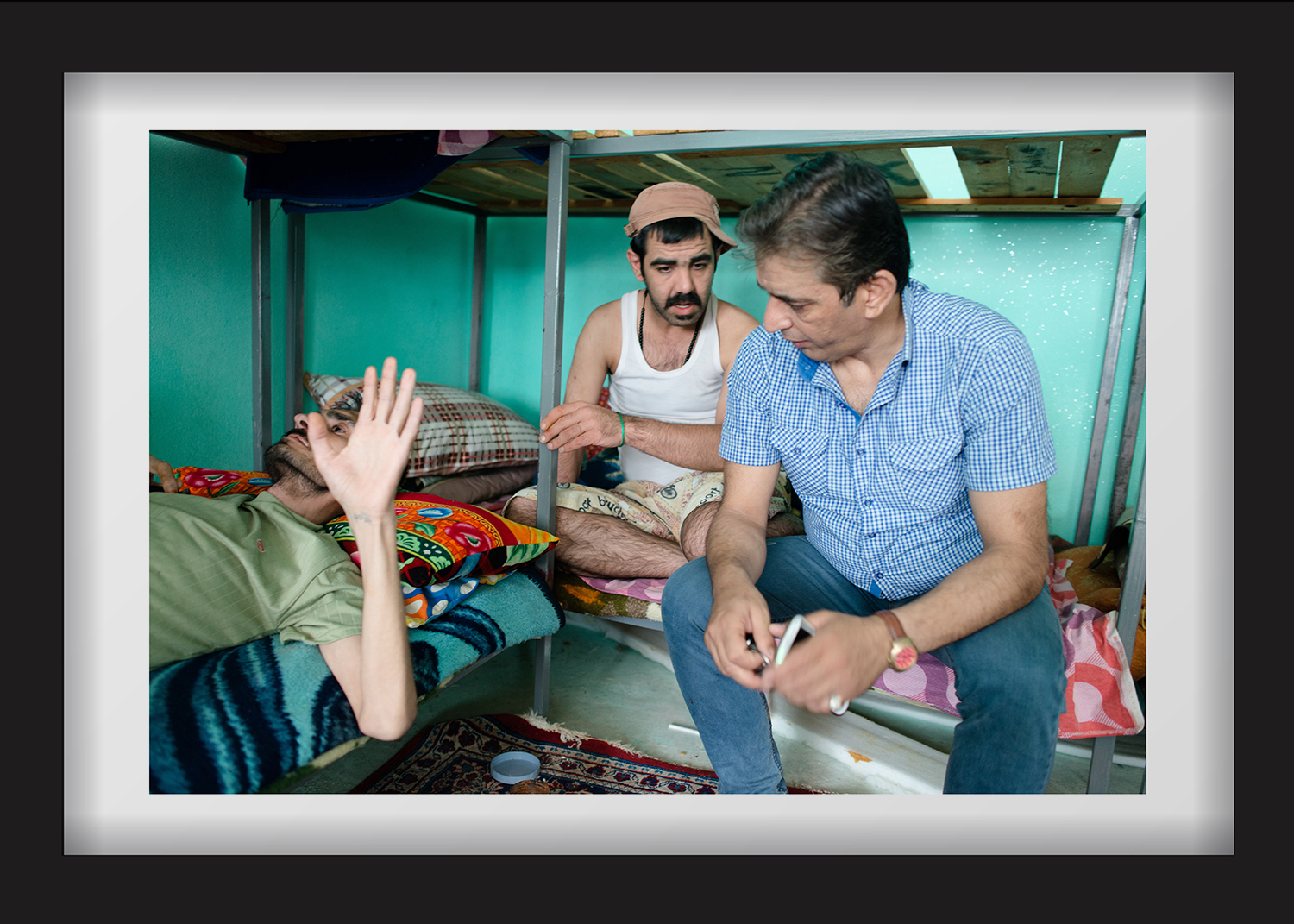
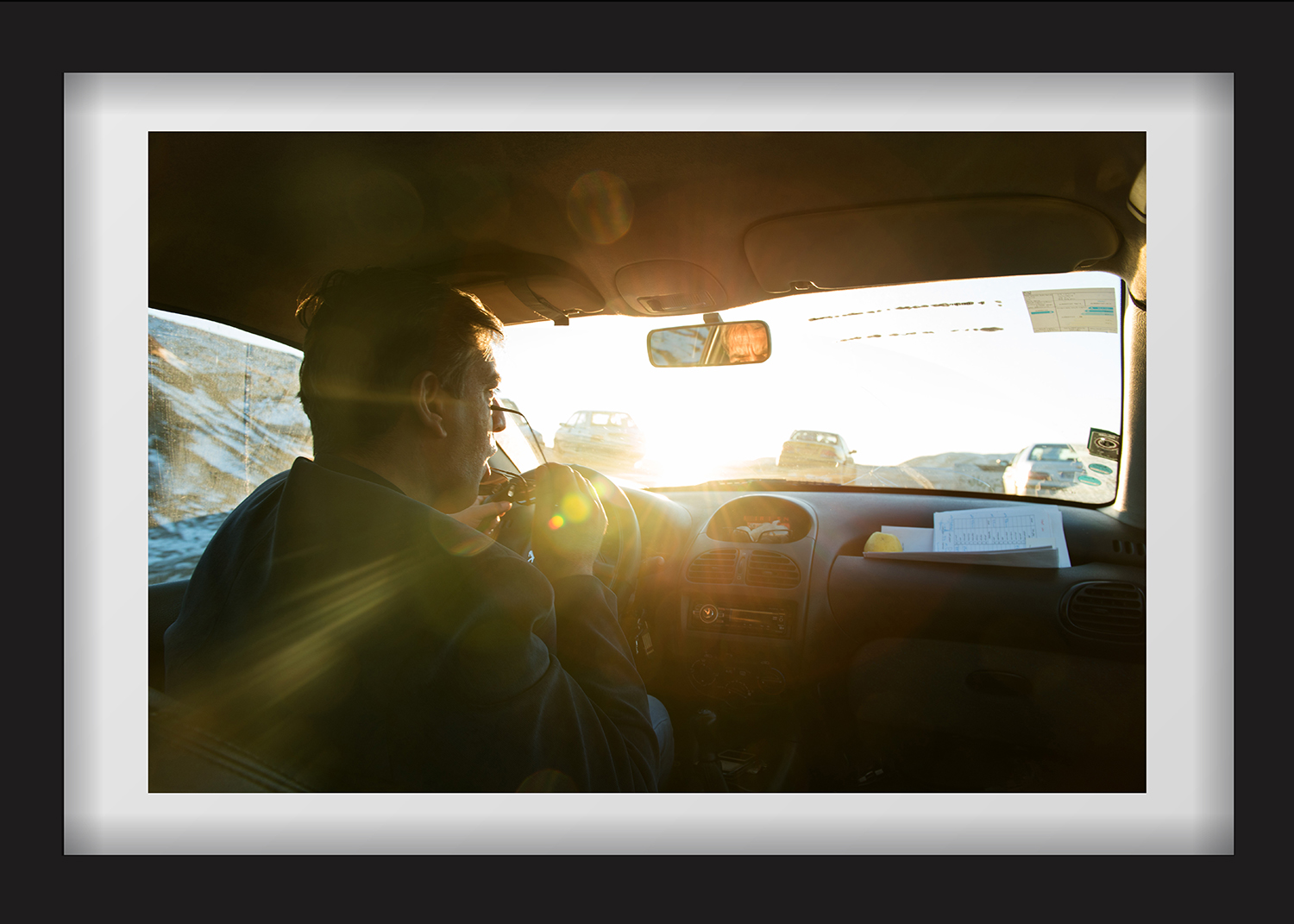
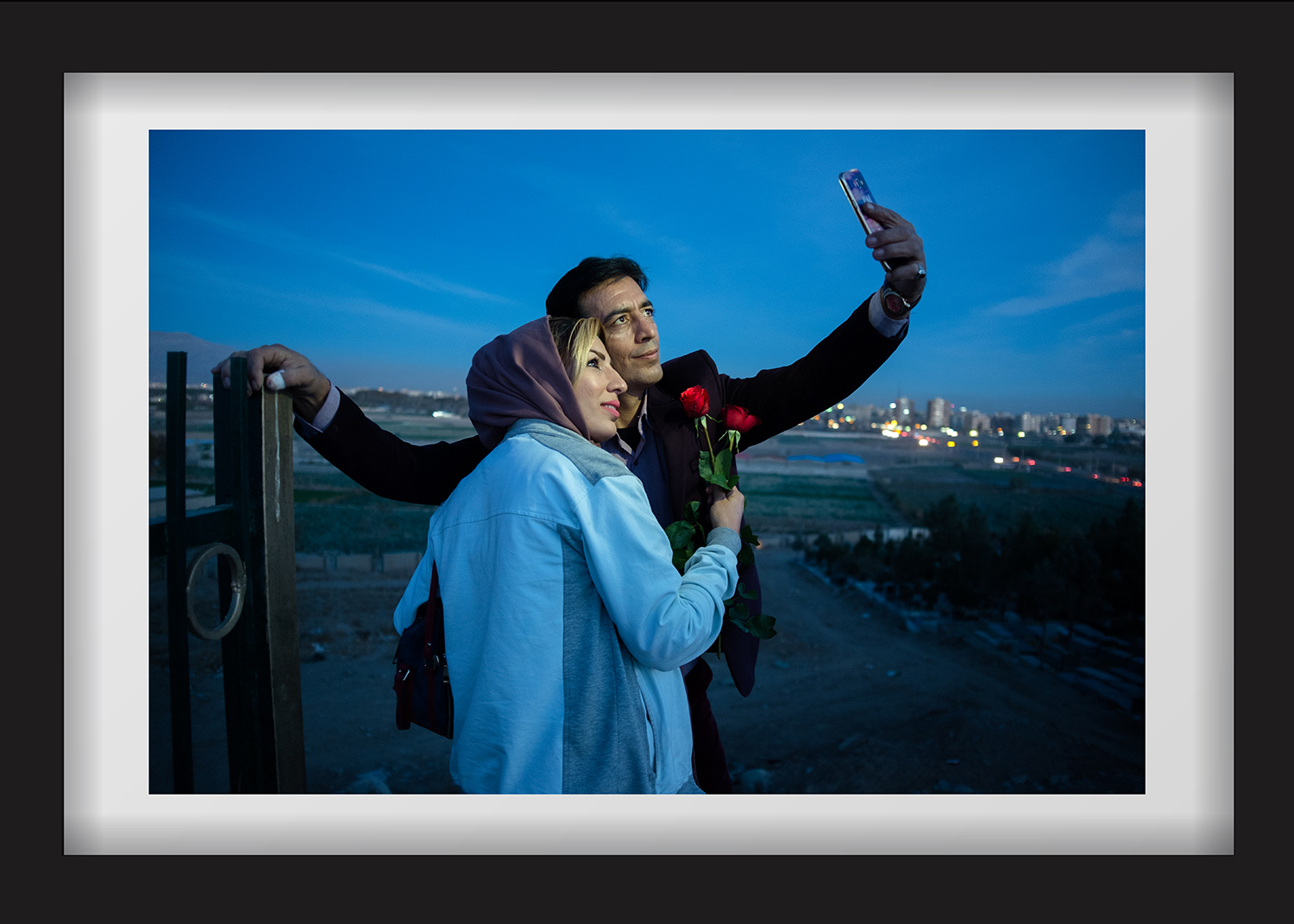
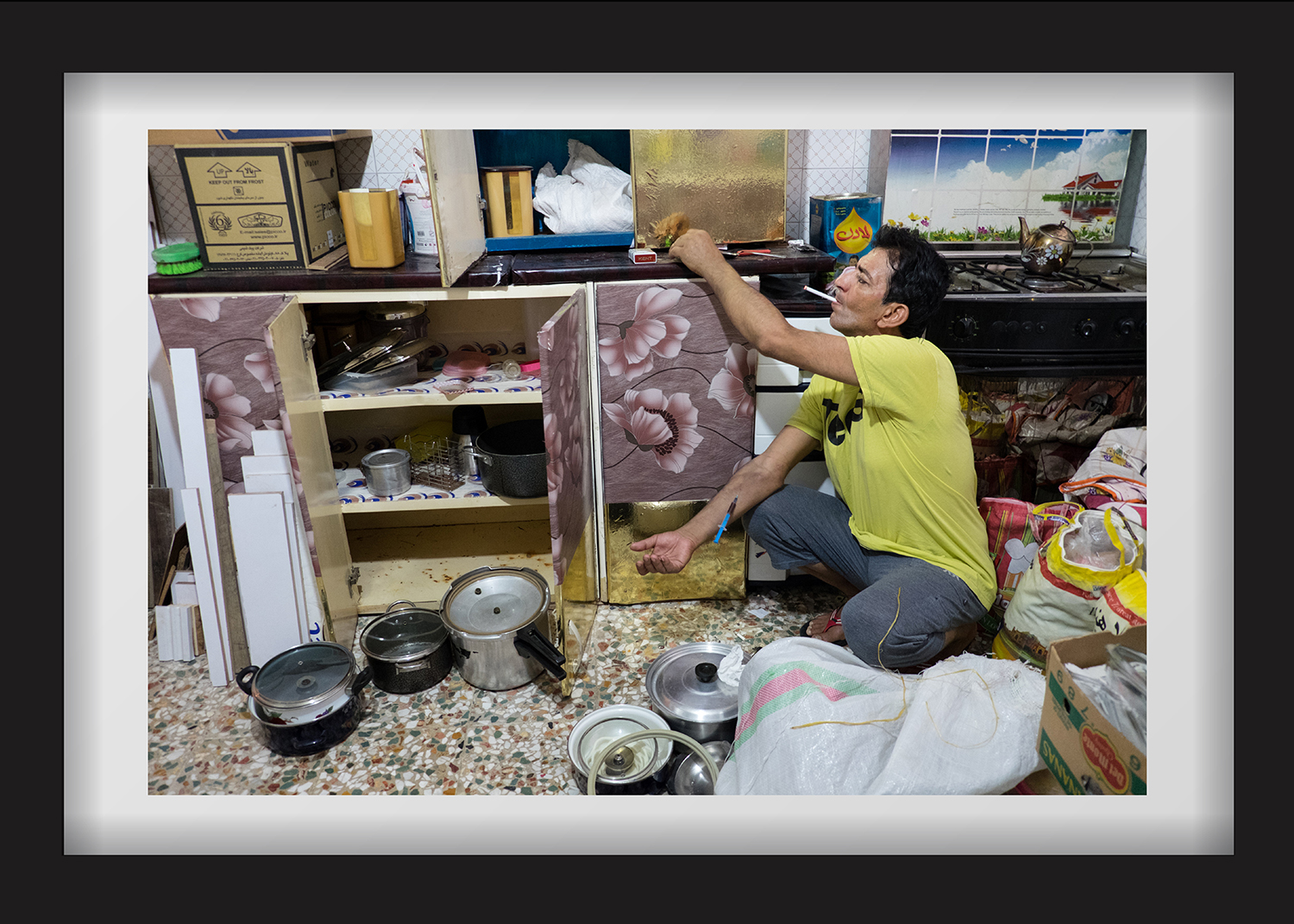
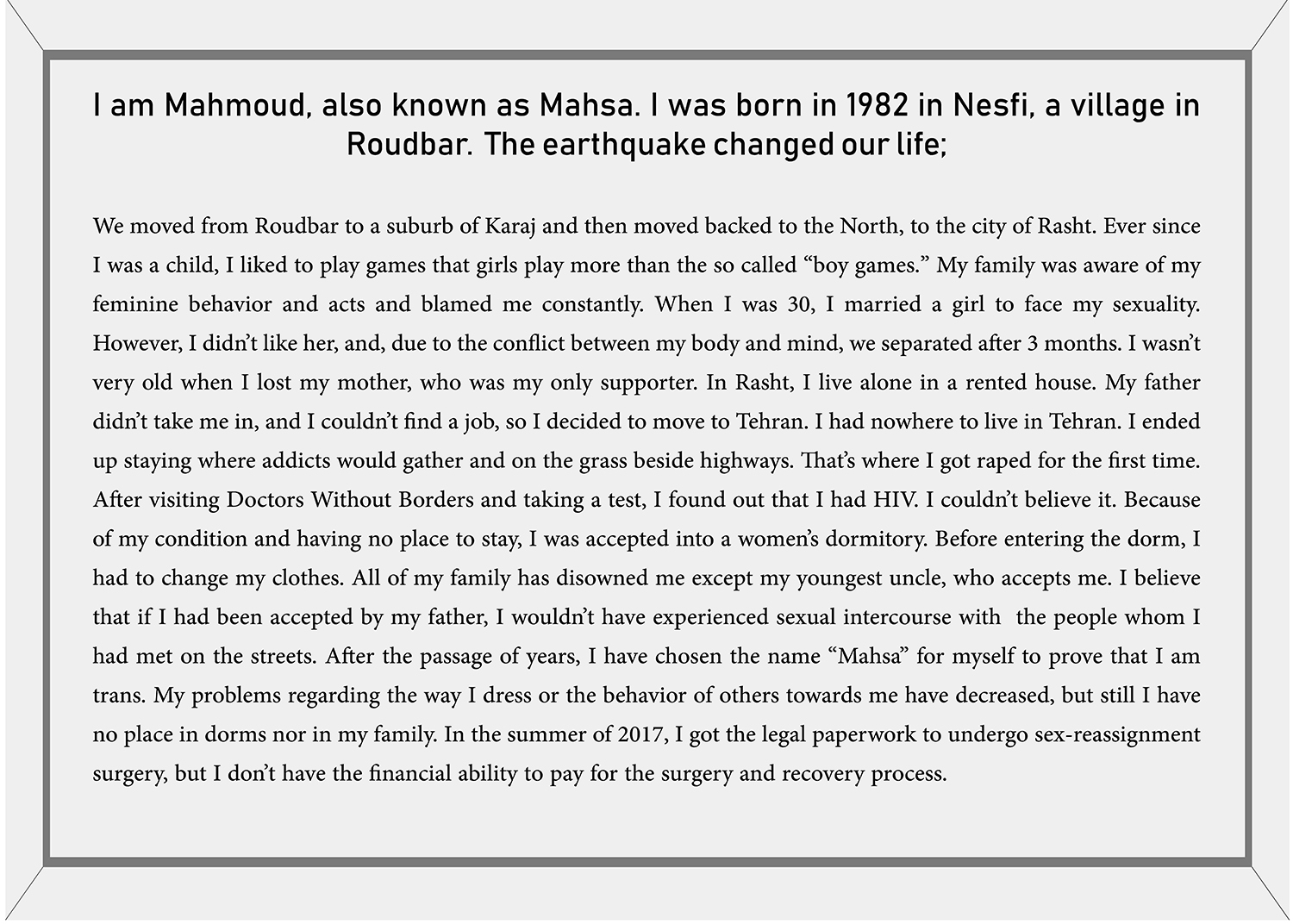
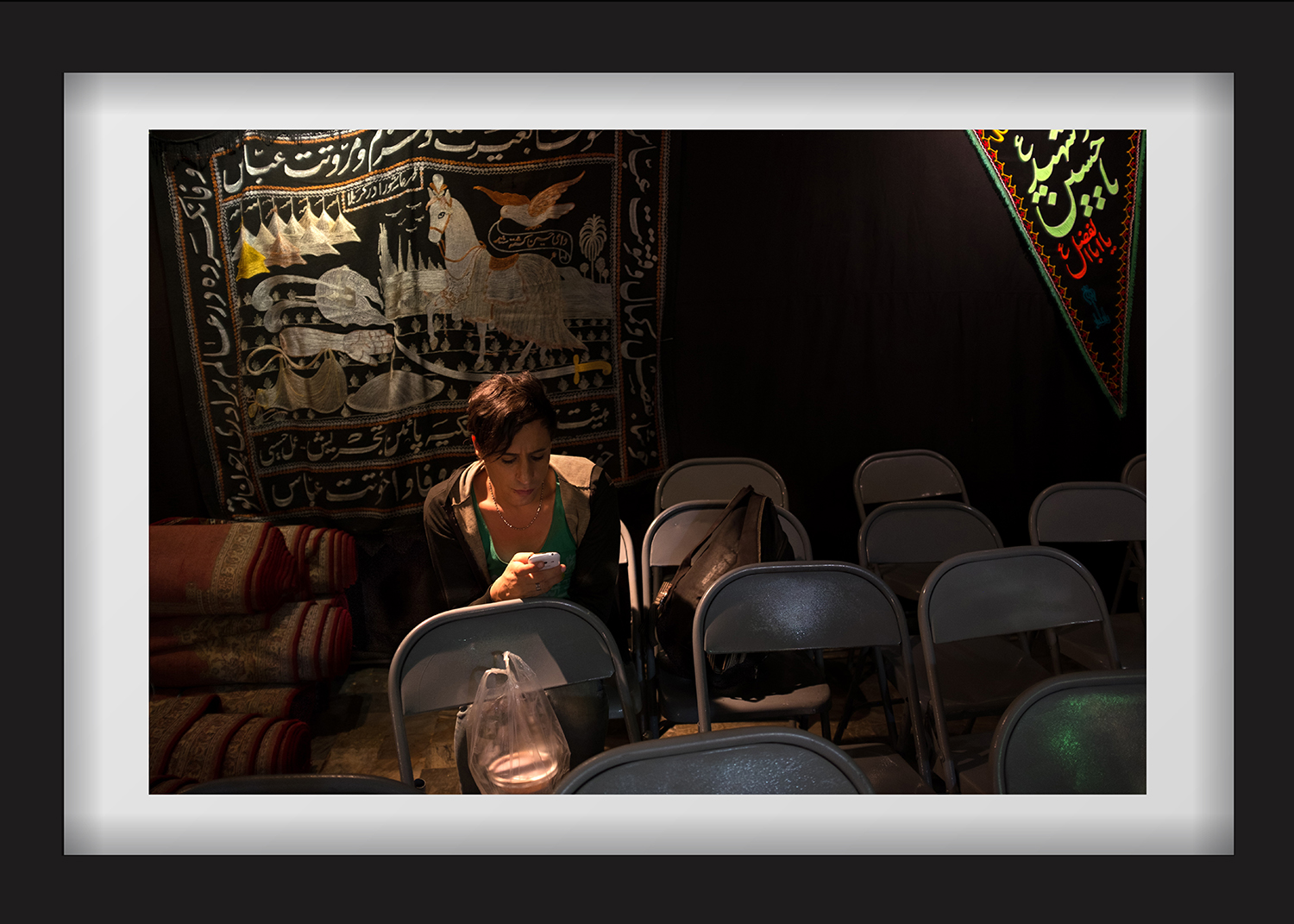
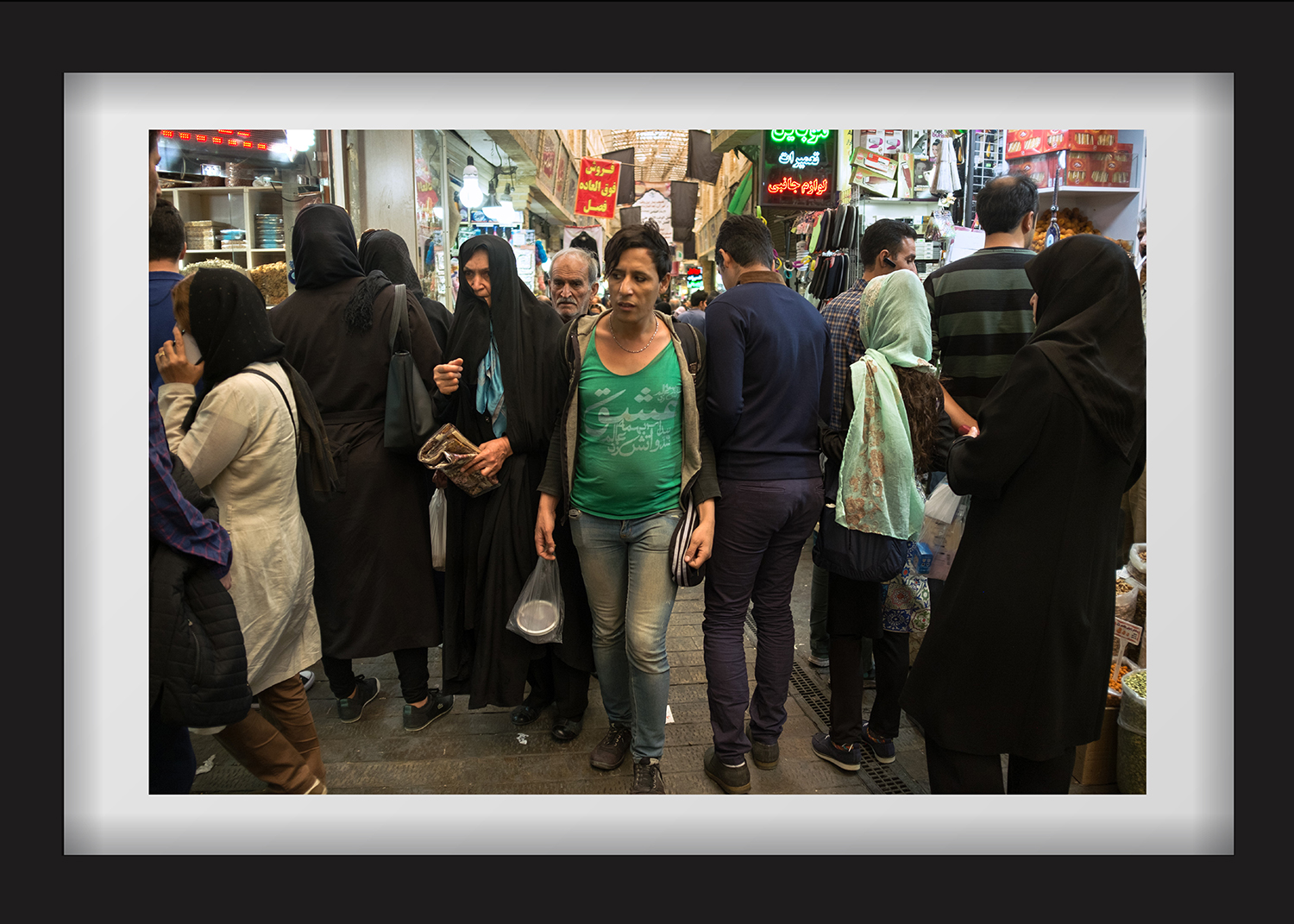
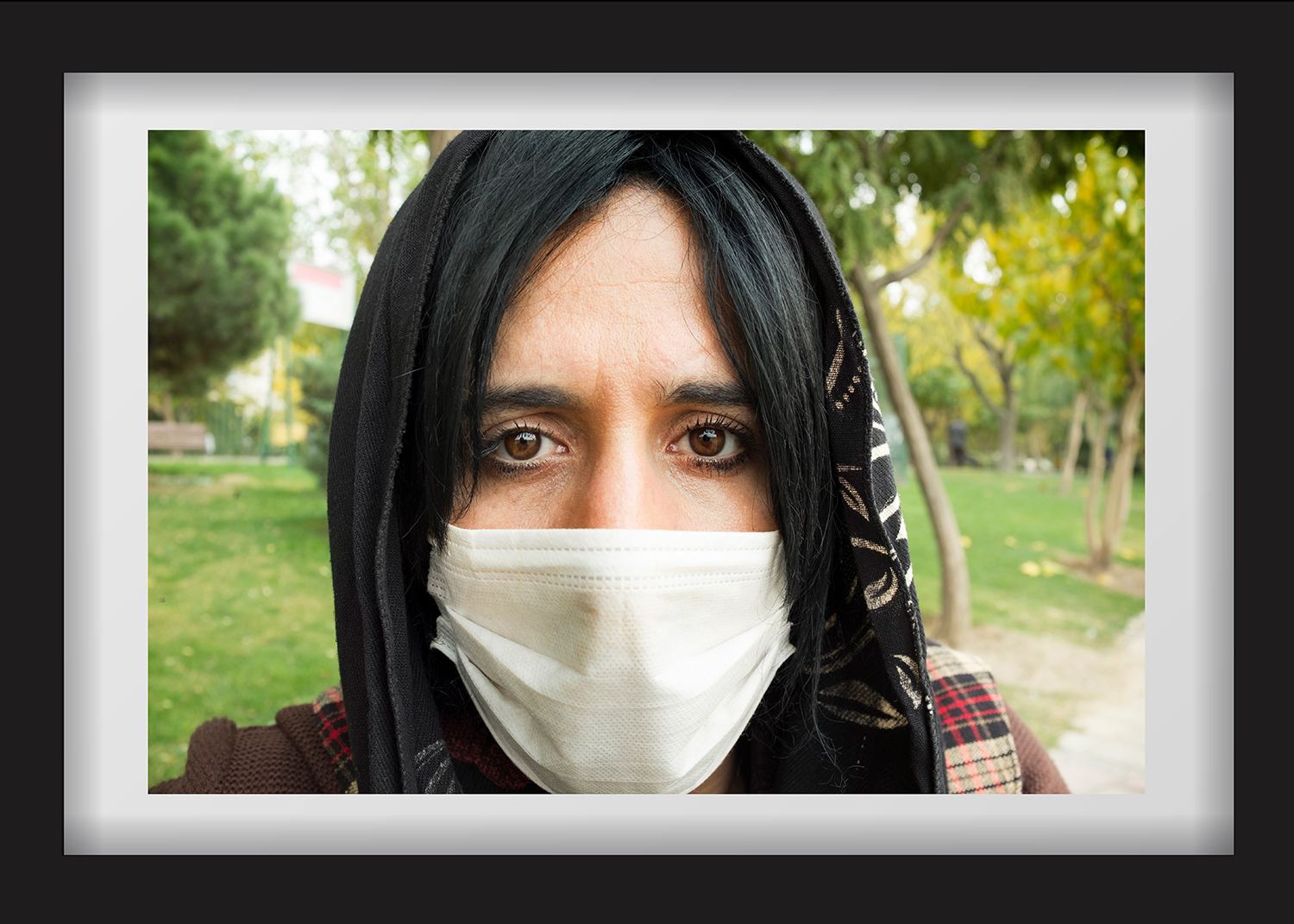
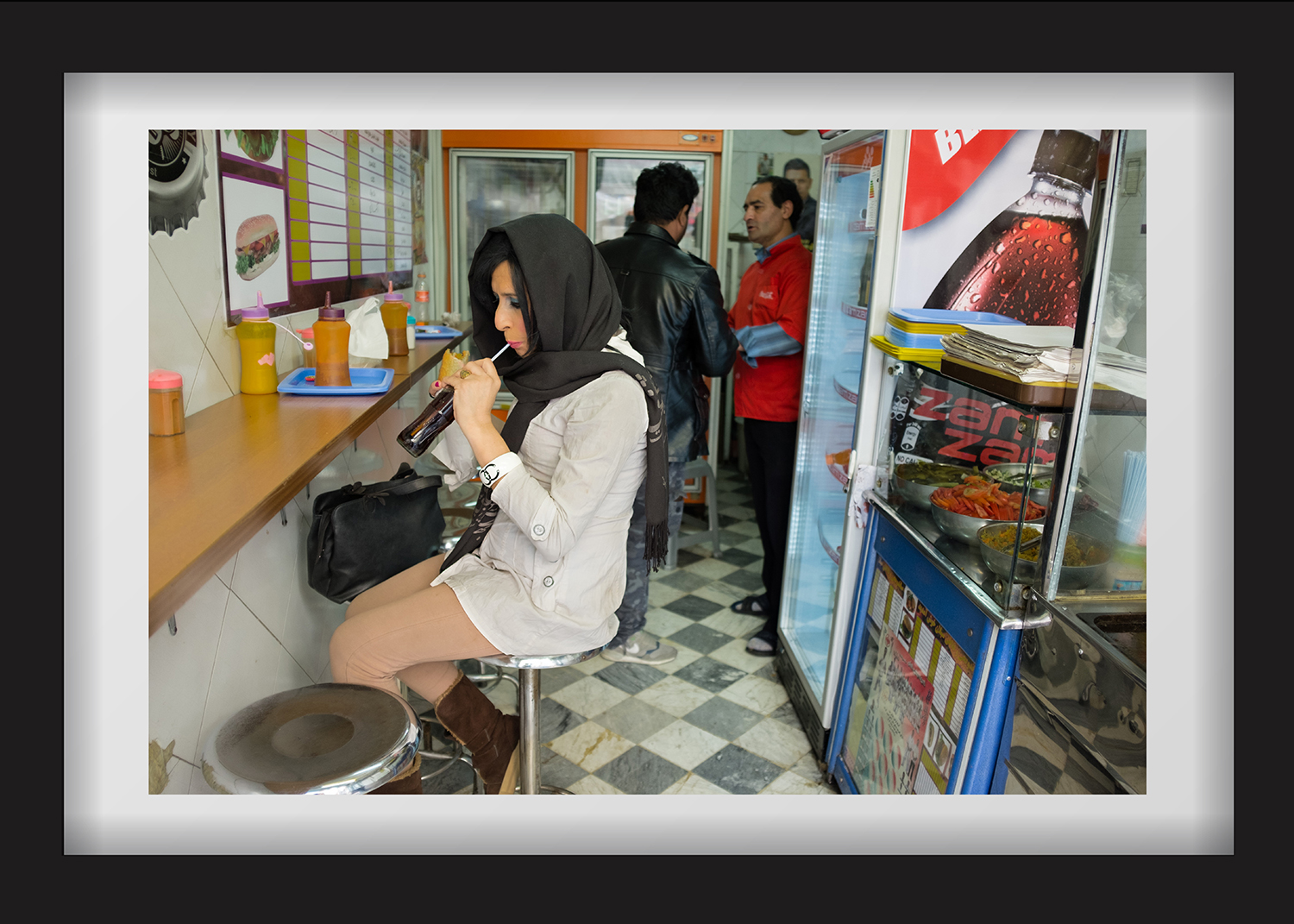
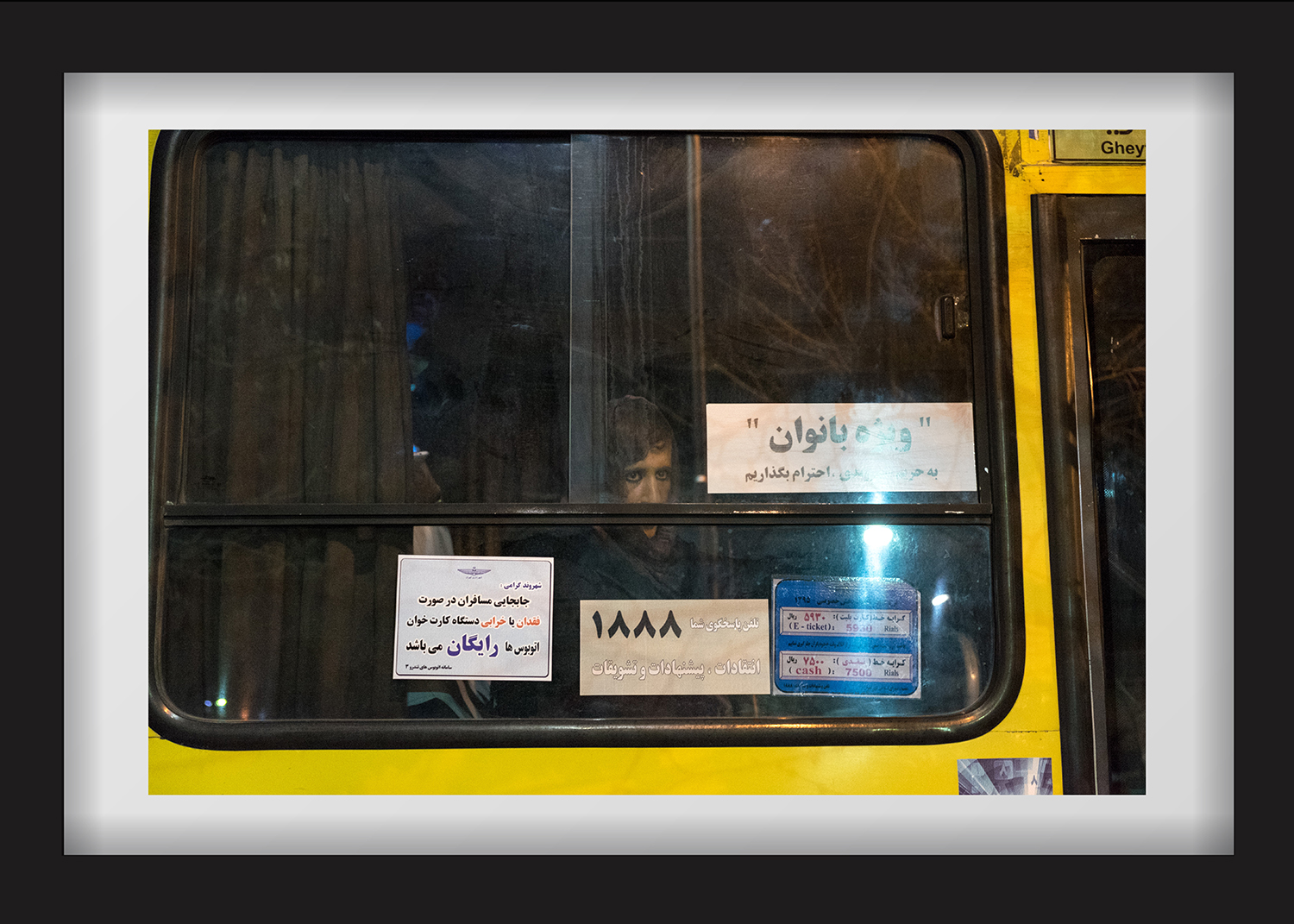
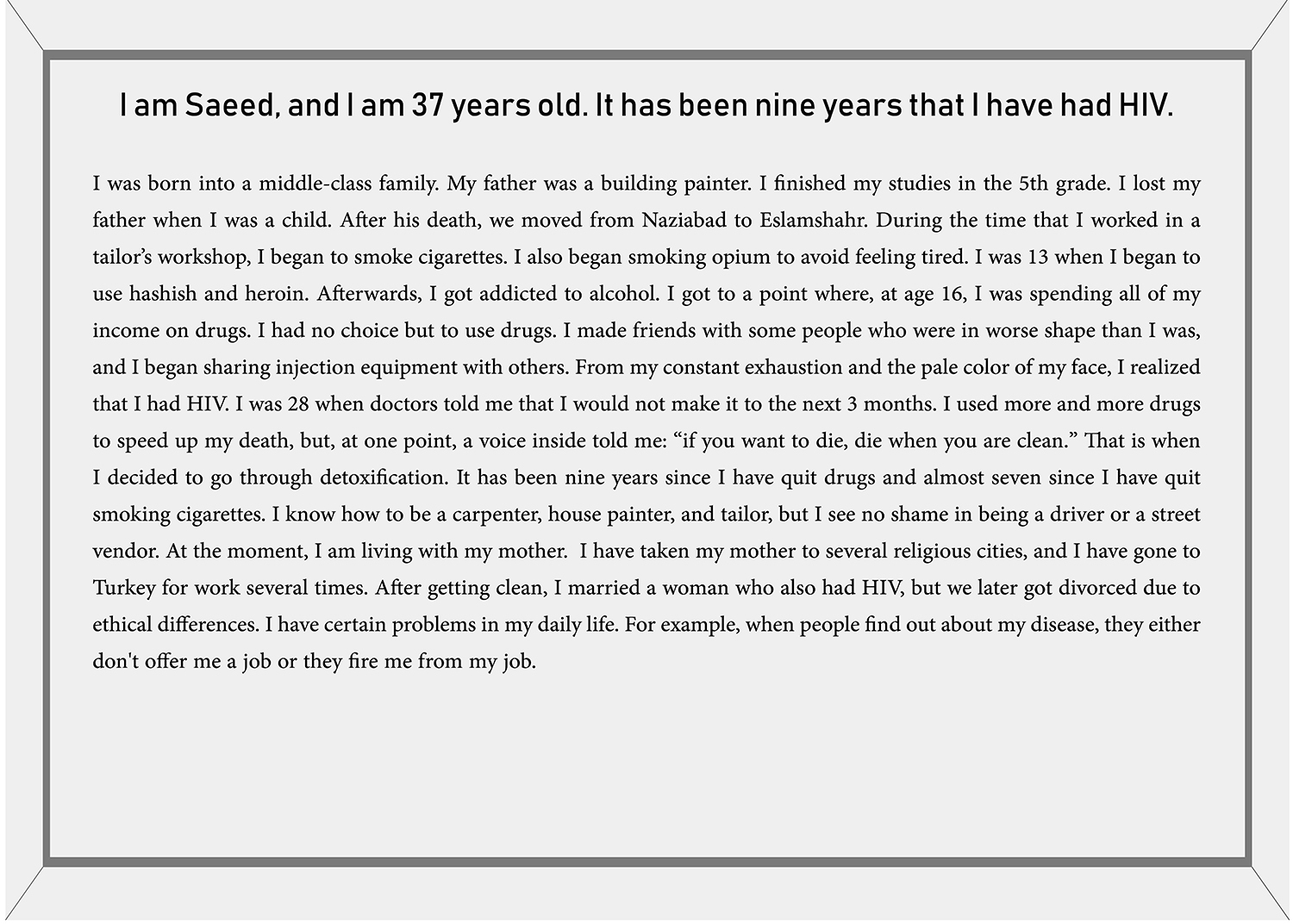
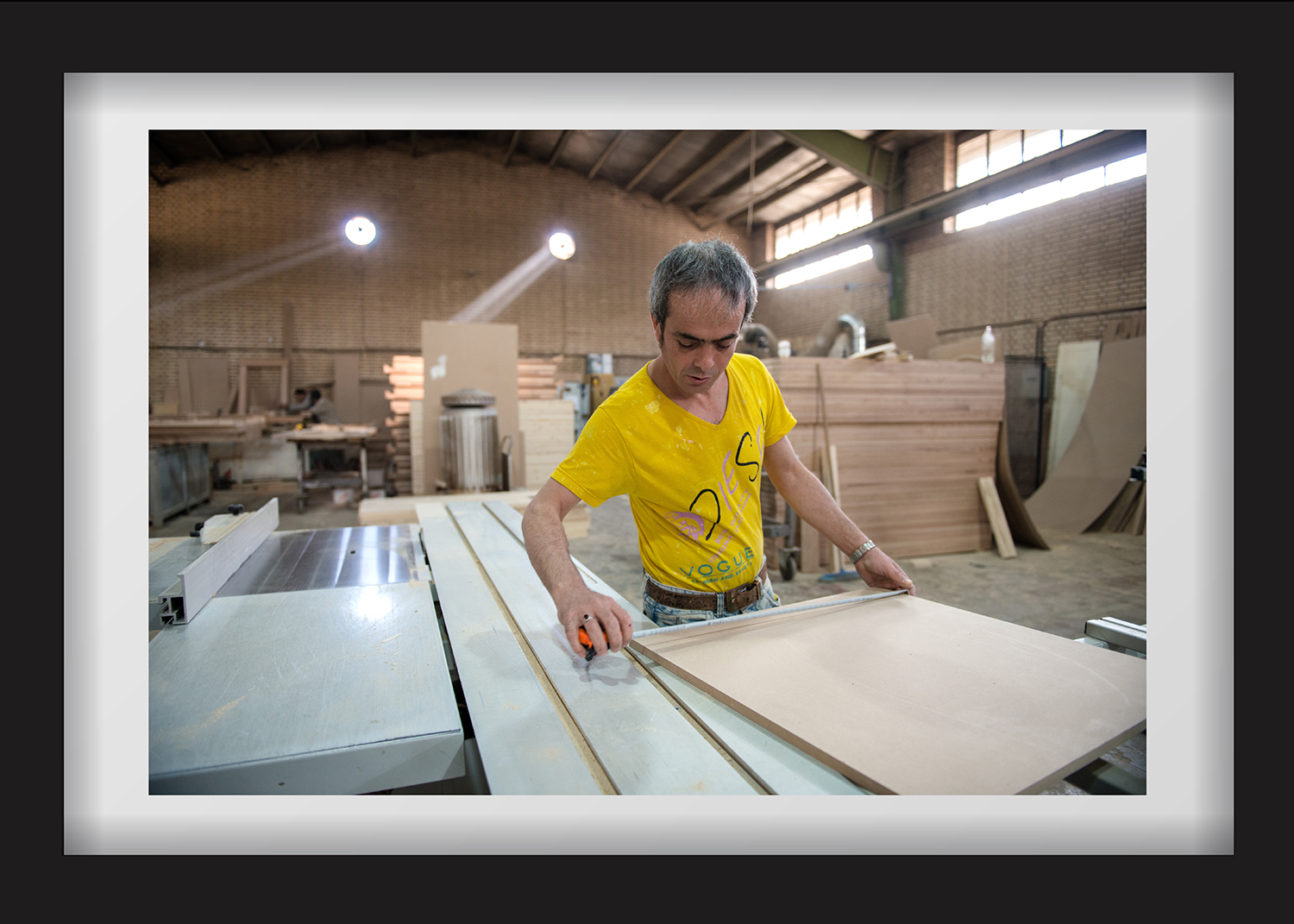
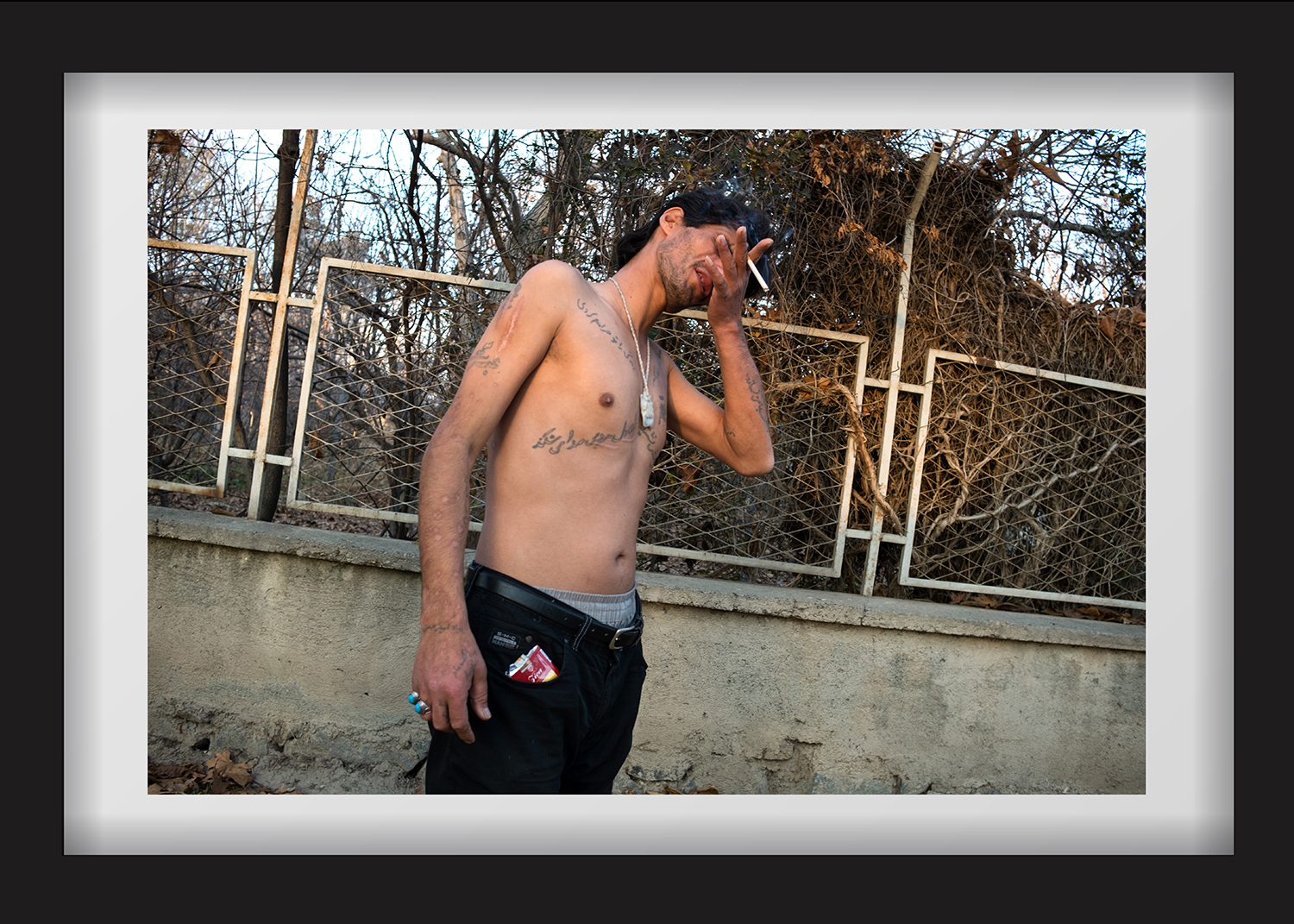
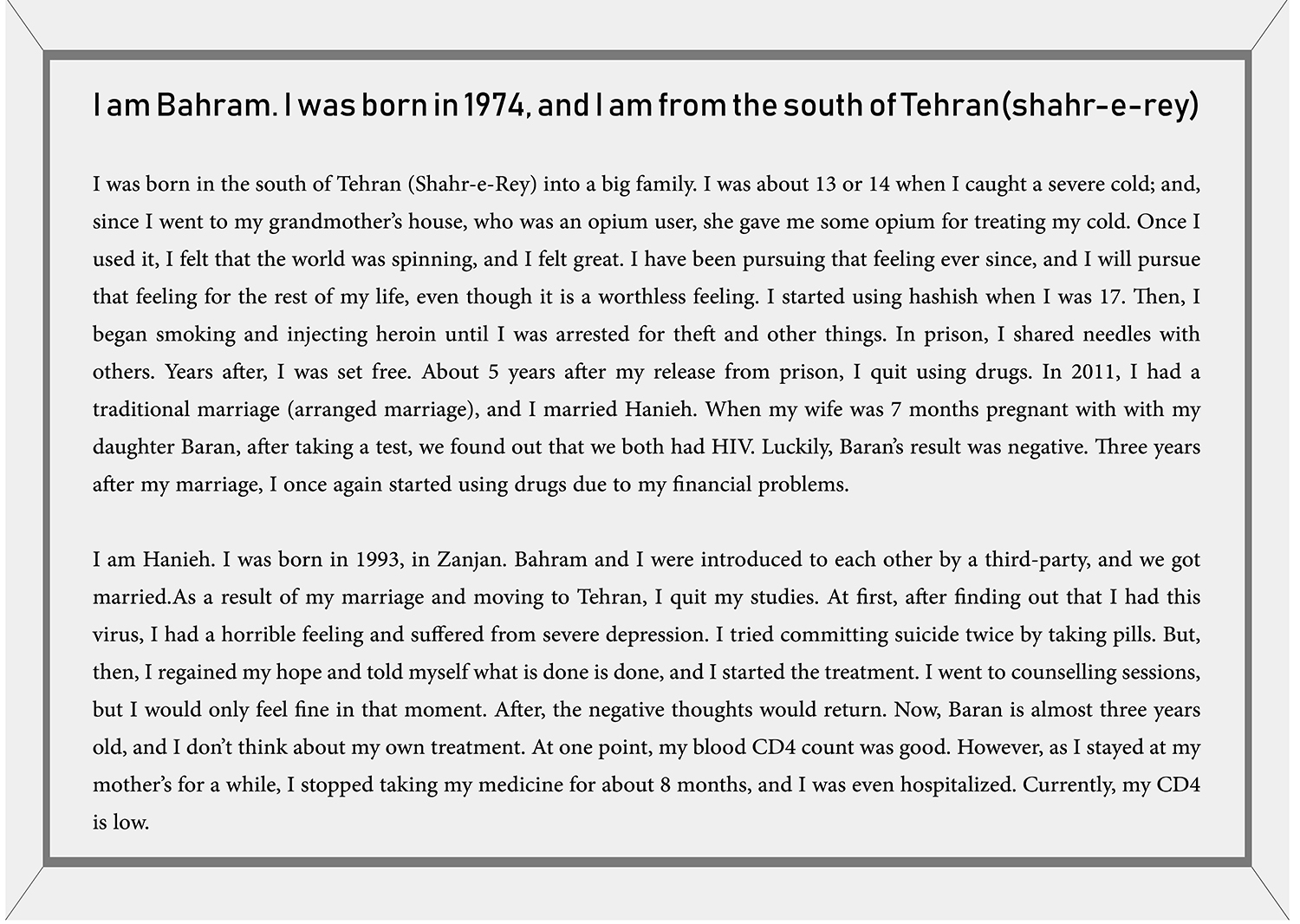
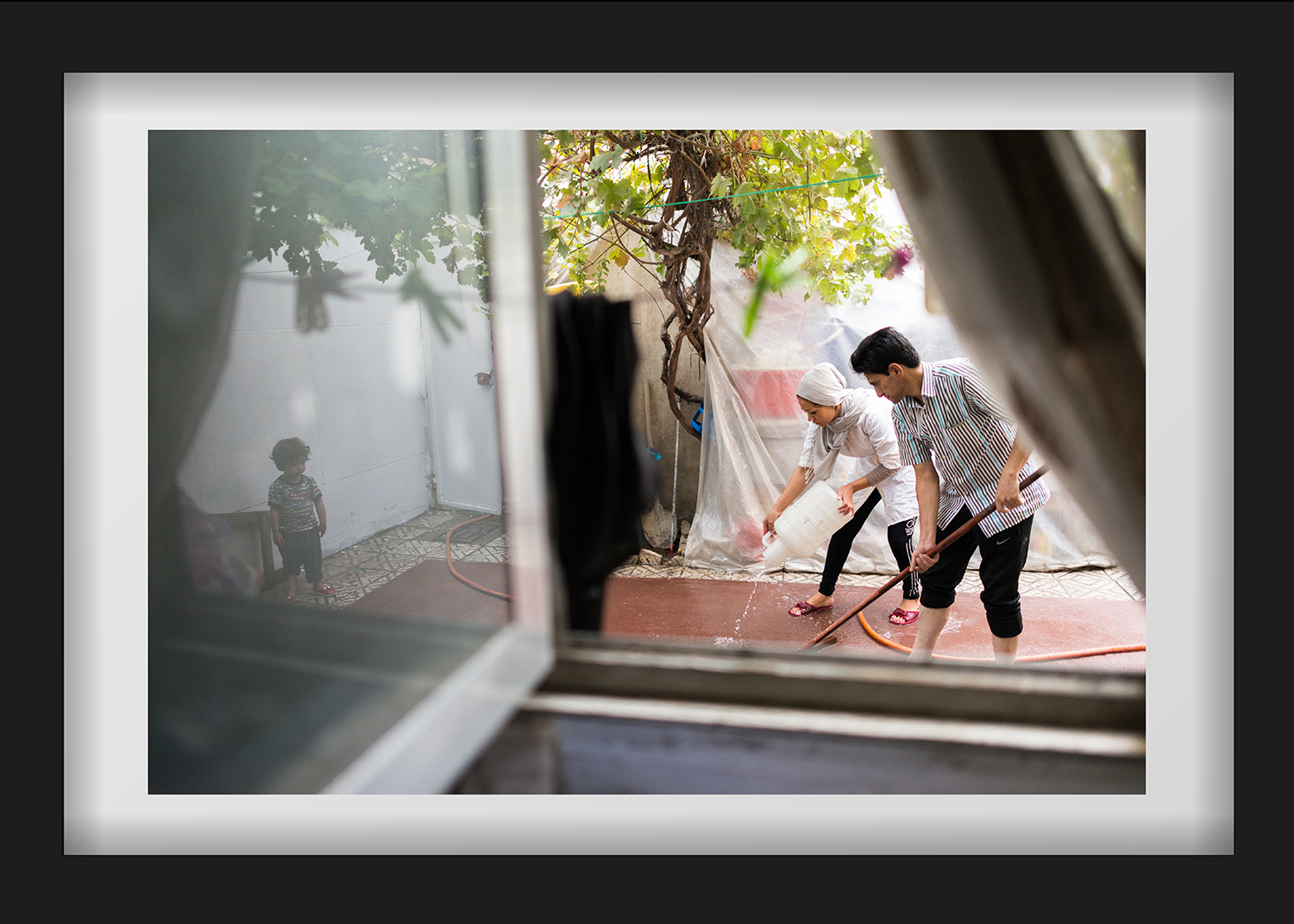
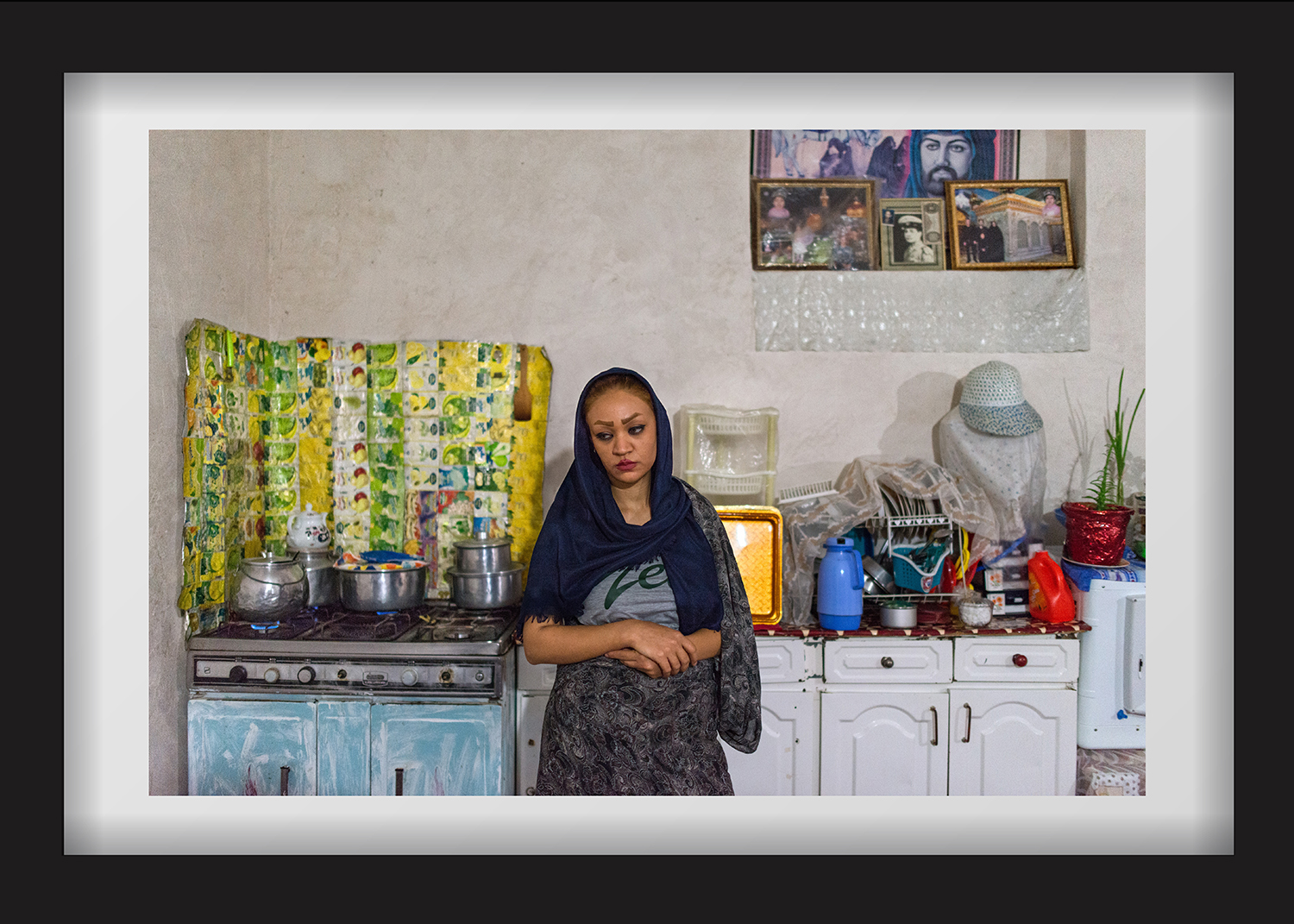
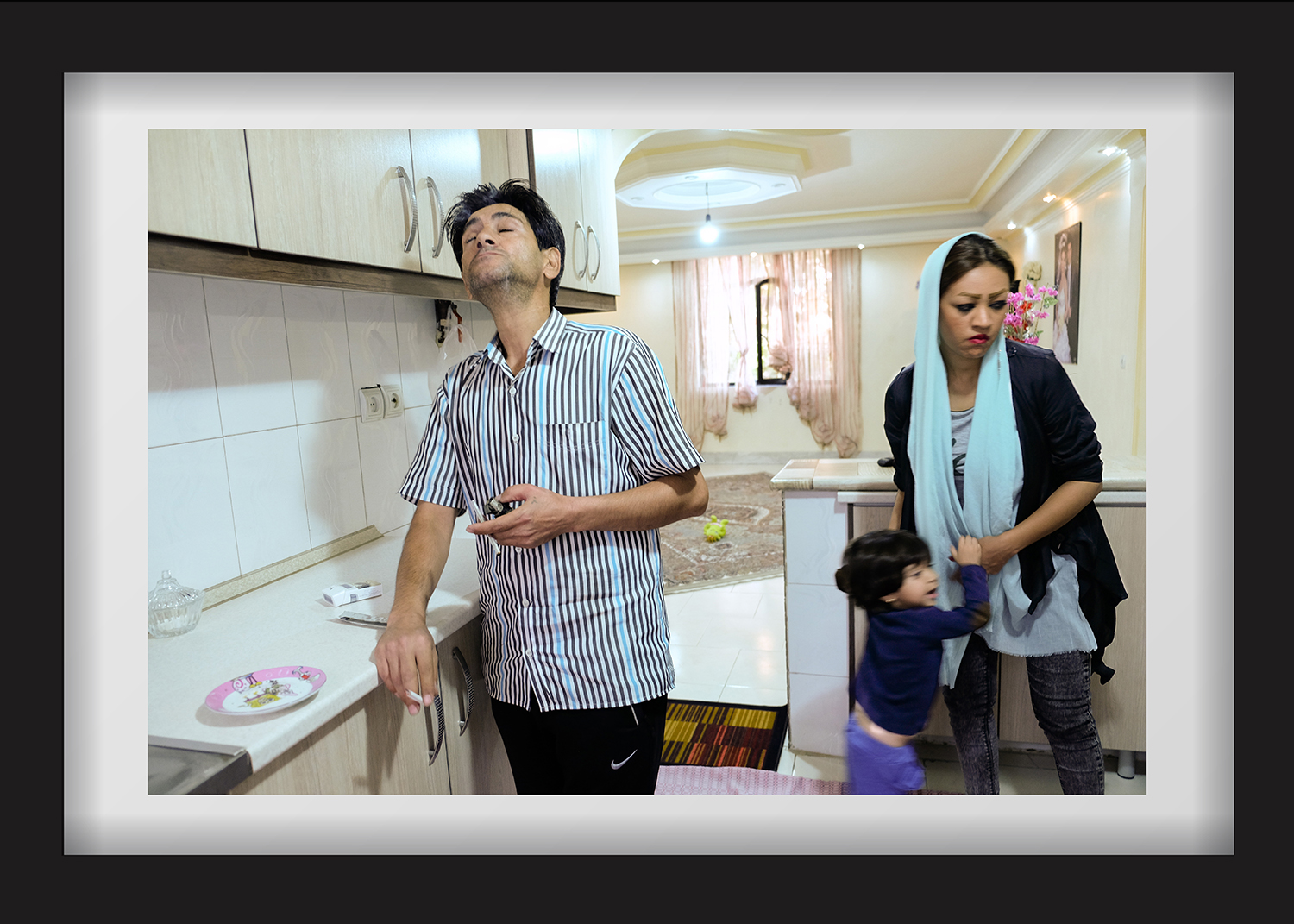
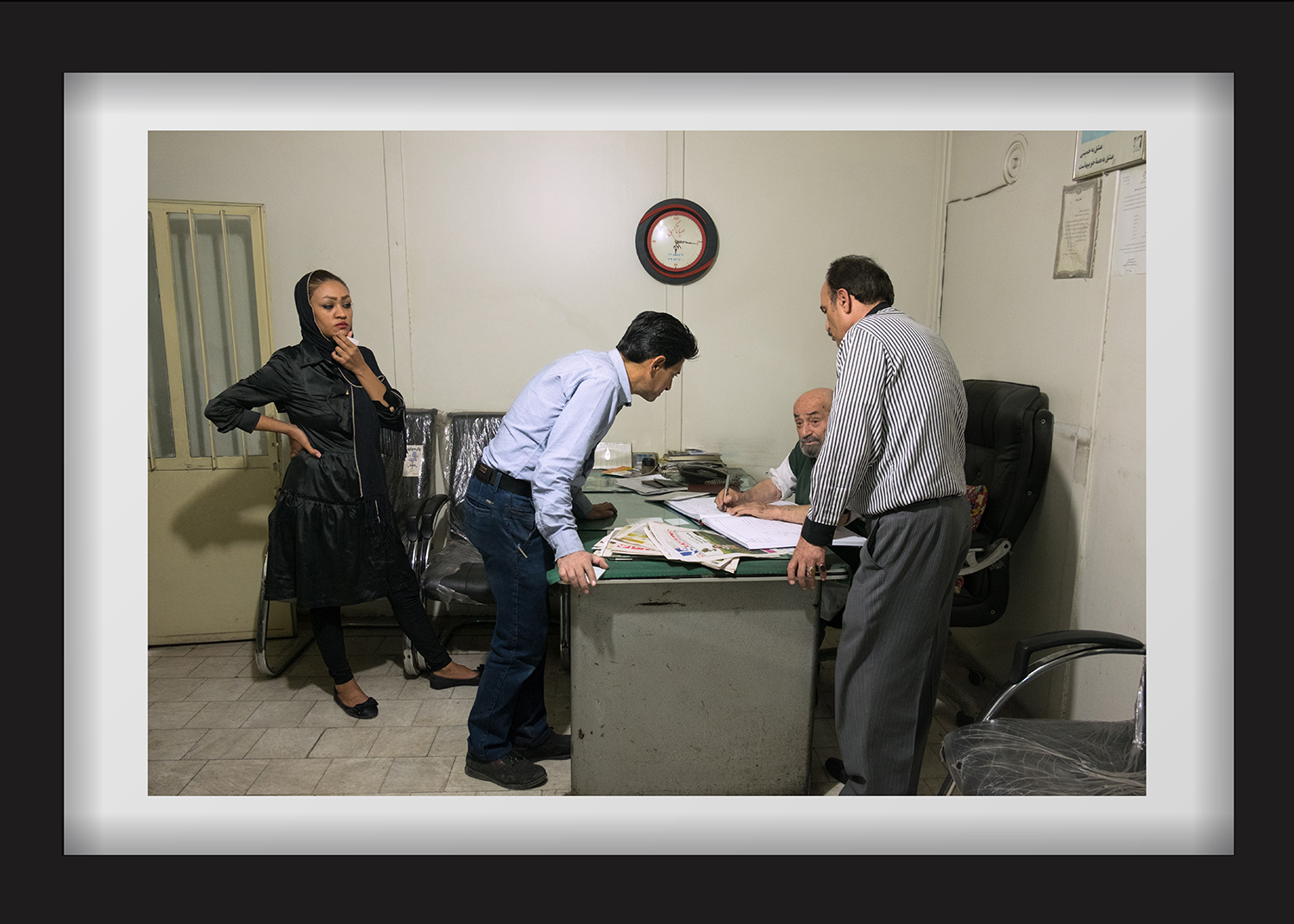
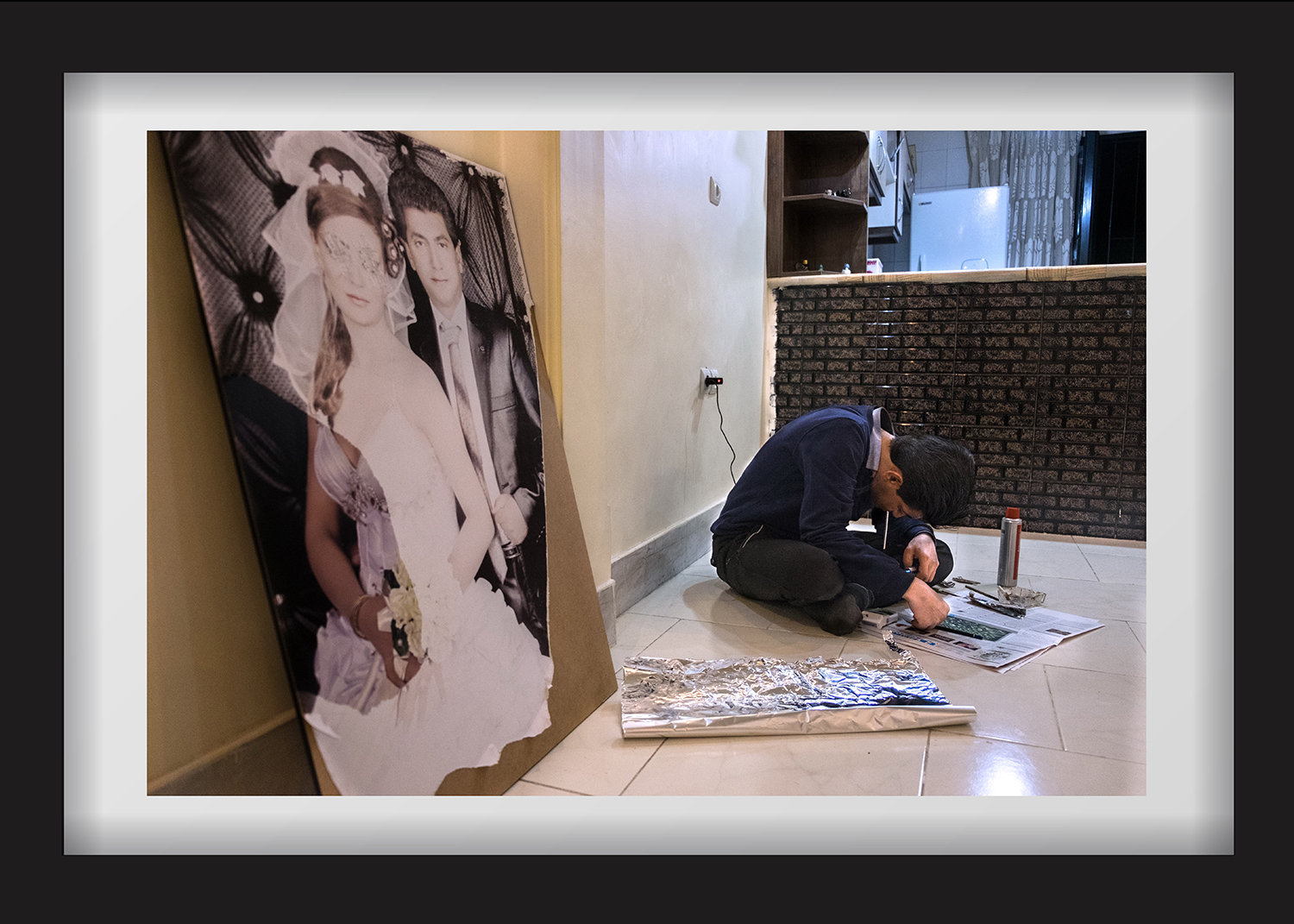
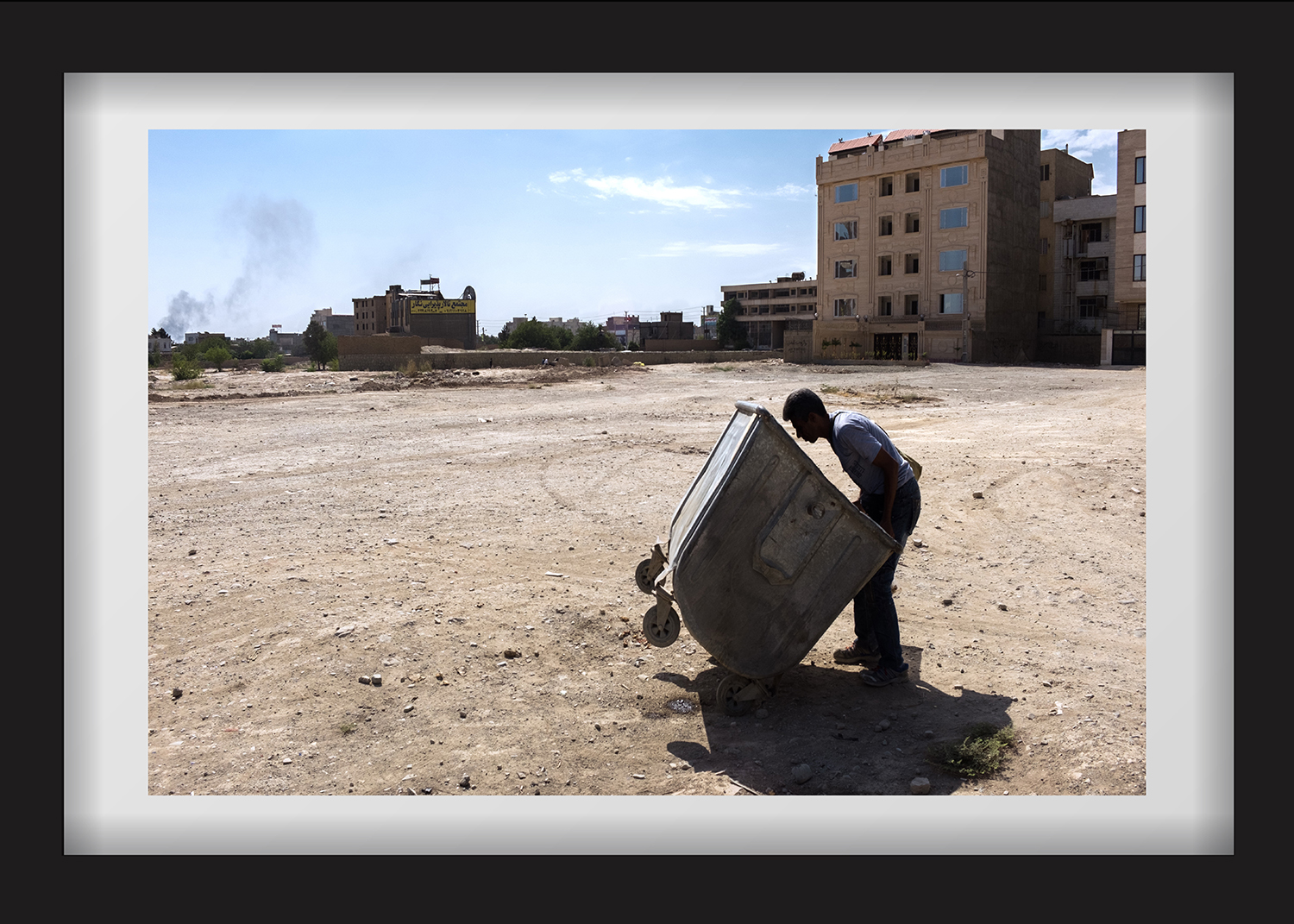
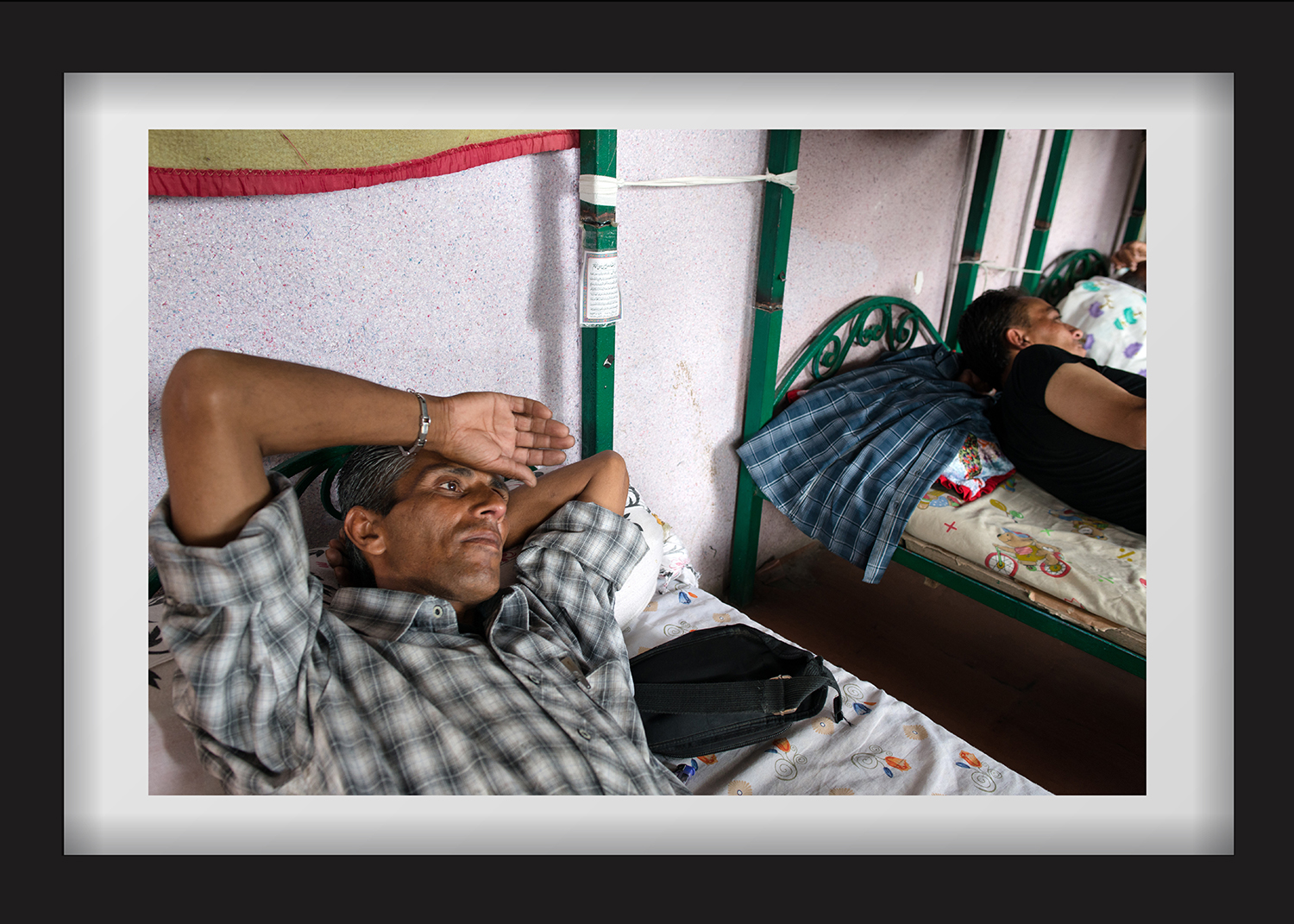
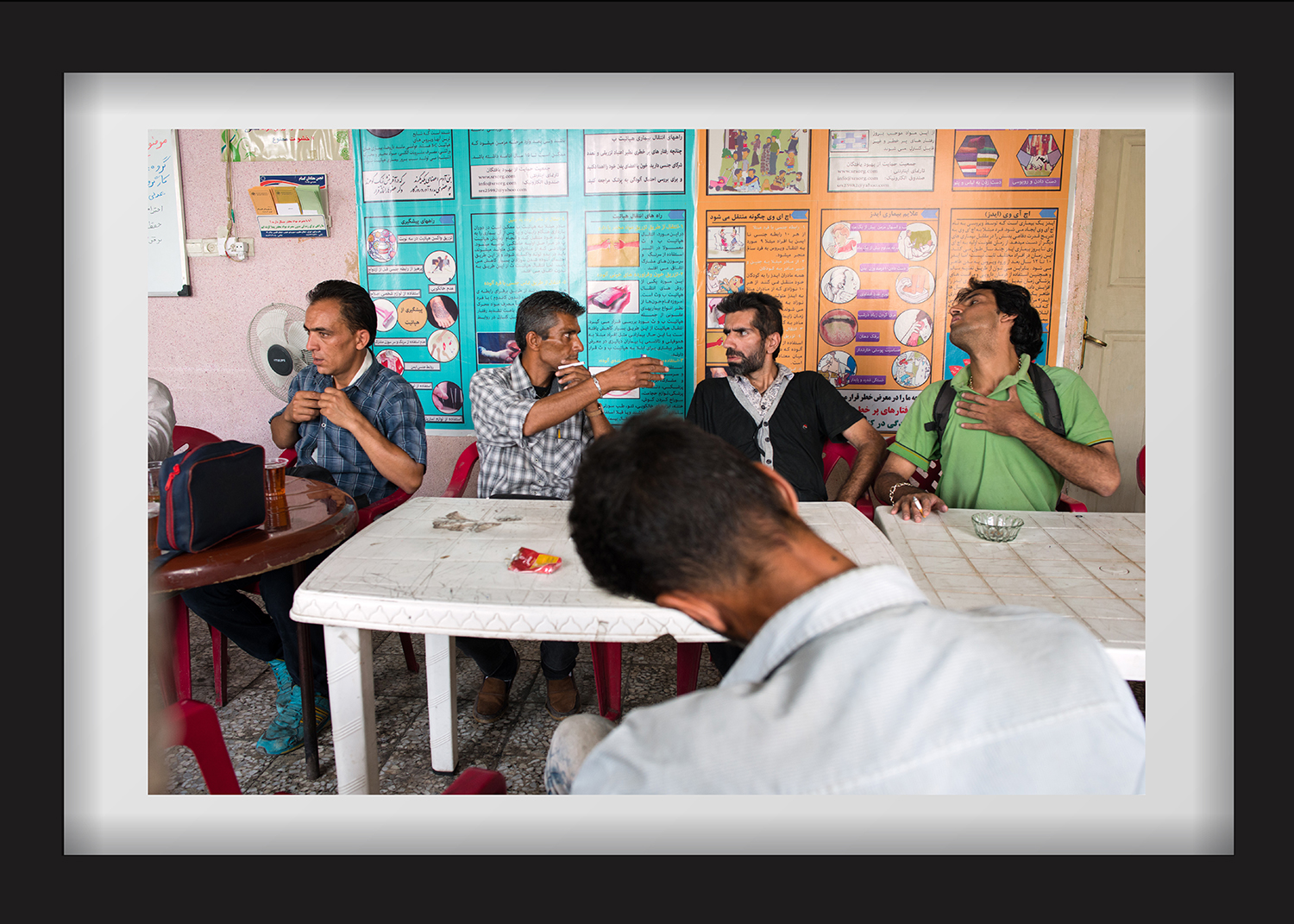
There is no difference between us, From a certain perspective, all of us carry known or known viruses. One of these is HIV: a disease which can significantly change the nature of ones’s social relationships. Men and women who transmit the virus as a result of their relationship, and children who have been dealing with this virus ever since they are born, all are fighting against HIV. People with HIV are usually excluded from society and face difficulties in their everyday lives. Therefore, different NGO's and centers have been dedicated to supporting them through their difficulties. The way that Relatives, friends, acquaintances, and others treat those who are HIV positive is generally discriminatory becuase of lake of information and awareness about the disease and how it is transmitted to others. Although many associations, institutes, and celebrities have tried to raise awareness about this topic, their efforts have not been effective enough and more must be done. This is something which can easily be sensed by being in contact with those who are dealing with HIV. While one cannot be satisfied with the official figures, according to them, there were one-tenth as many women living with HIV as men over the past two decades. In the recent years, the usual way that HIV gets transmitted has gradually shifted from the sharing of needles between addicts to transmission resulting from sexual intercourse. Based on the photographer’s research, many of those who have been afflicted with HIV have received it from using a shared needle and/or passed it onto their wives through intercourse. With more reliable facts and figures available nowadays, we can conclude that the general awareness has not improved significantly. This means that addicts actually have more information about this disease than the general population. The youth are seeking new hobbies, and their inclination towards drug use makes it necessary to form an appropriate interaction between those who have HIV and the society to raise the general awareness. The current collection is a representation of living conditions of HIV-positive persons who have received the virus one way or another. Out of 20 people in the statistical population which was being studied, 10 expressed their consent to have their photos published in the book. These people have been gathered in this book after five consecutive years of study, research and photography. It has always been of great importance that subjects behave naturally despite the presence of a camera. The researcher (photographer) has been determined to raise the general awareness about this disease and lives of those dealing with it without any discrimination or stigma. It is necessary to thank those who agreed to have their photos taken as this collection could not have been put together without them. This collection is here thanks to the effort, cooperation, and advice of those who are in the photos as well as those who offered a helping hand during the photography or the production. I must express my sincere gratitude to Dr. Gelareh Mostashari, Dr. Mohammad Sadegh Shirazi, Dr. Seyed Ahmad Seyedalinaghi whose advice was of great importance. I used all of their guidance along the way. In addition, I must thank my professors who were my inspiration to go forward: Mr. Farhad Soleymani, Mr. Moahmmad Norouzi and Mr. Saeed Kiaee. I must also thank those whose company was much appreciated: Mr. Habib Bahrami, Mr. Ali Najafi, Mr. Koorosh Gerami, and Ms. Zeynab Mohammadi, Ms. Mahdokht Hafezi, Ms. Neda Badiee, Ms. Sarvar Behravesh, Mr. Ramin Kakavand, Mr. Hirbod Sajjadi, Mr. Masoud Nejat, and Dr. Shahla Mirfakhraee, and the last but not least “Aeene Mehr” institute, “Simaye Sabze Rahaee” institute, “Nasime Mehrafrin” institute, “Tehran Positive Club ”, “Modirane Javan”, “Haghighate Narenj” and “Iranian Reseach center for HIV/AIDS(IRCHA)” who accompanied the photographer and the patients. I am thankful to each and every one of them. I would like to give special gratitude to the United Nations Office on Drugs and Crime for supporting me with having a successful project.


















They and their hair
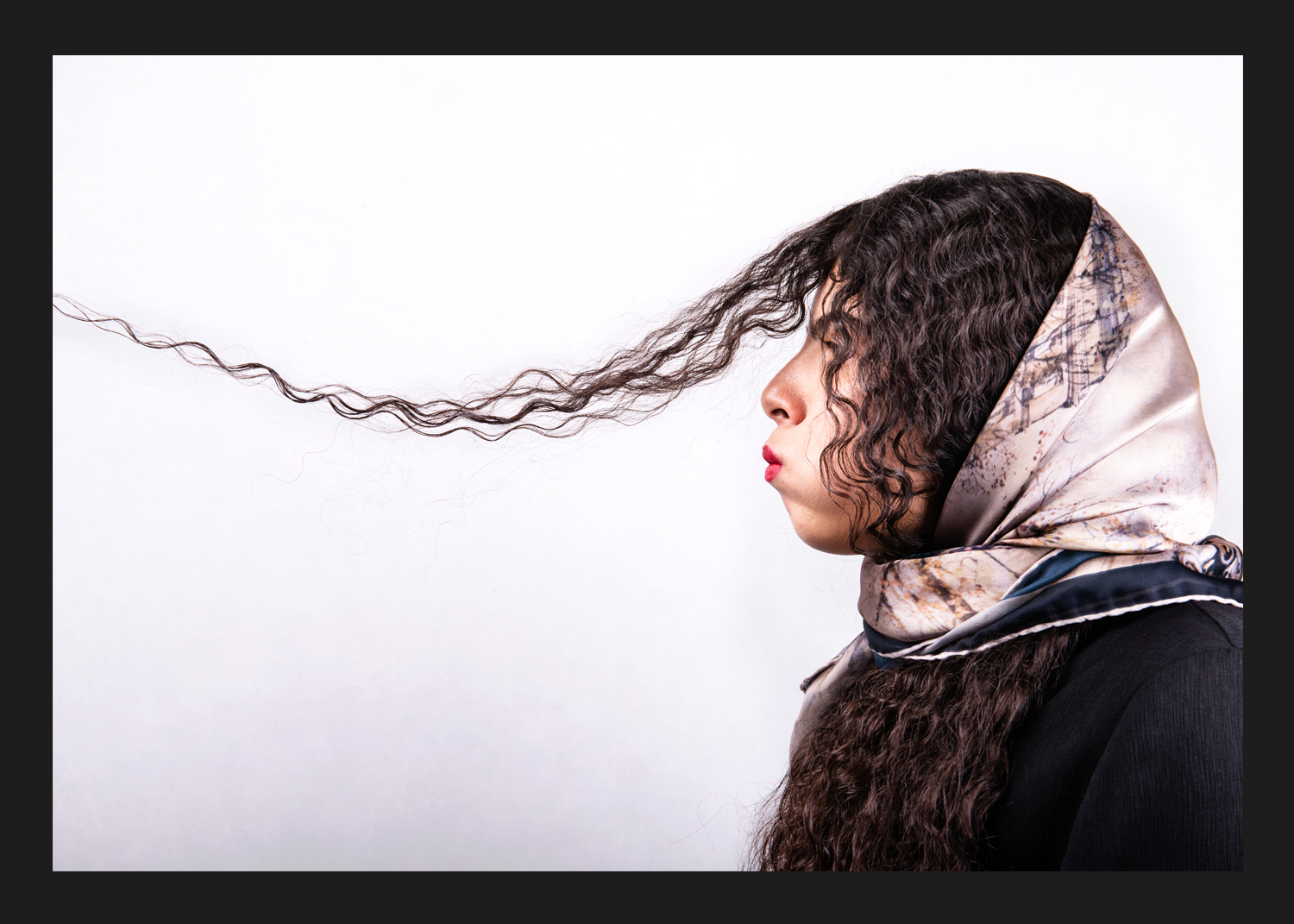
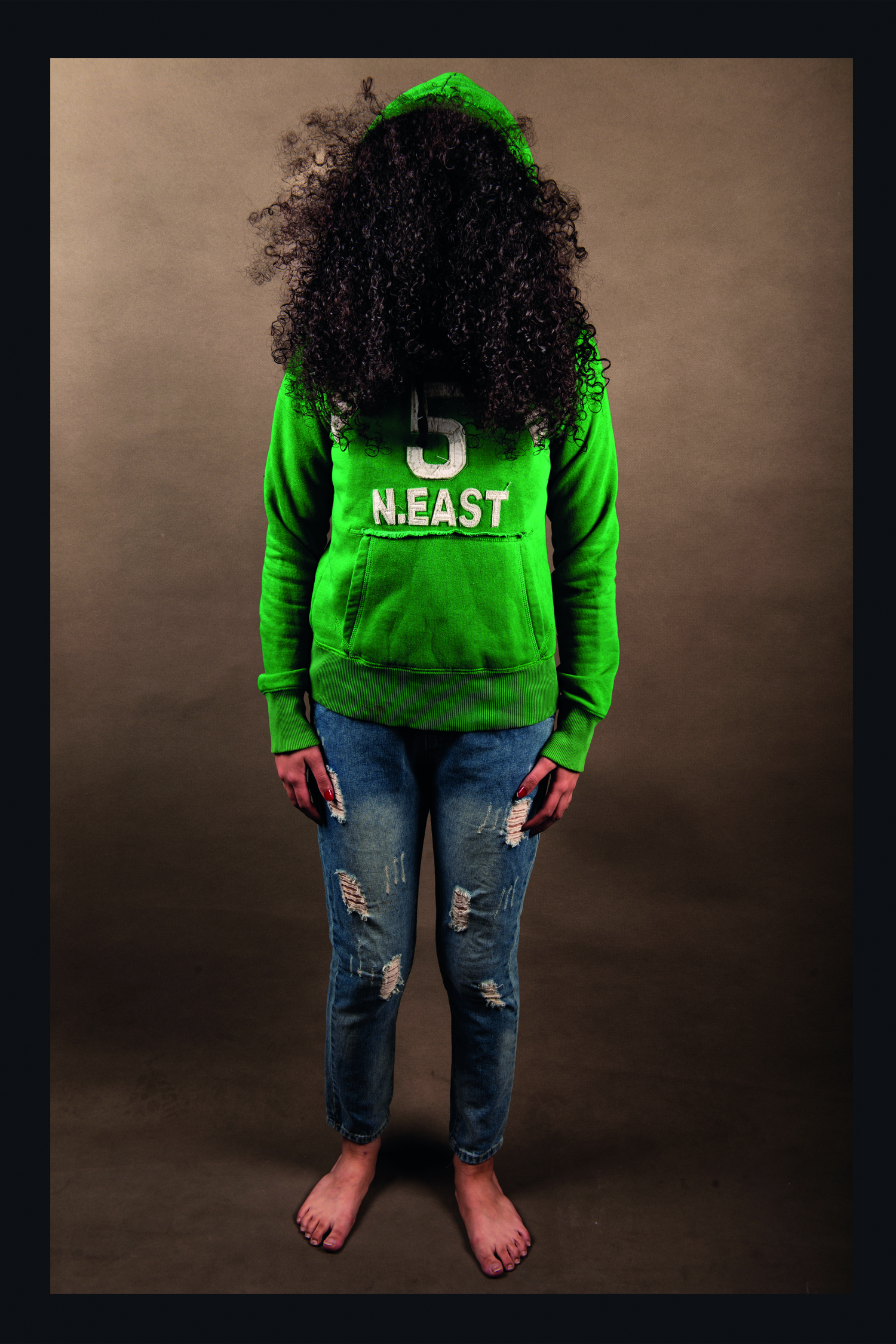
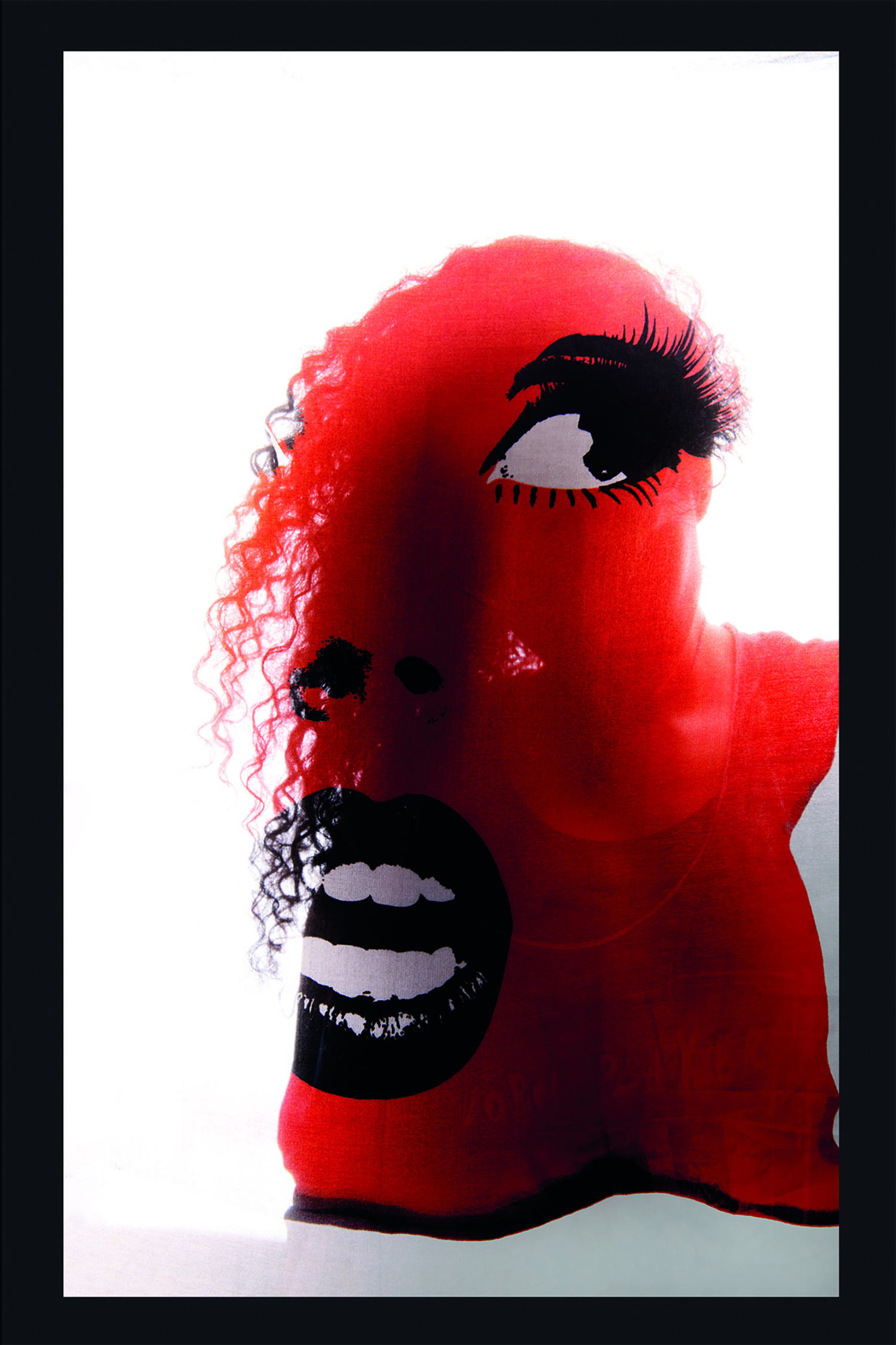
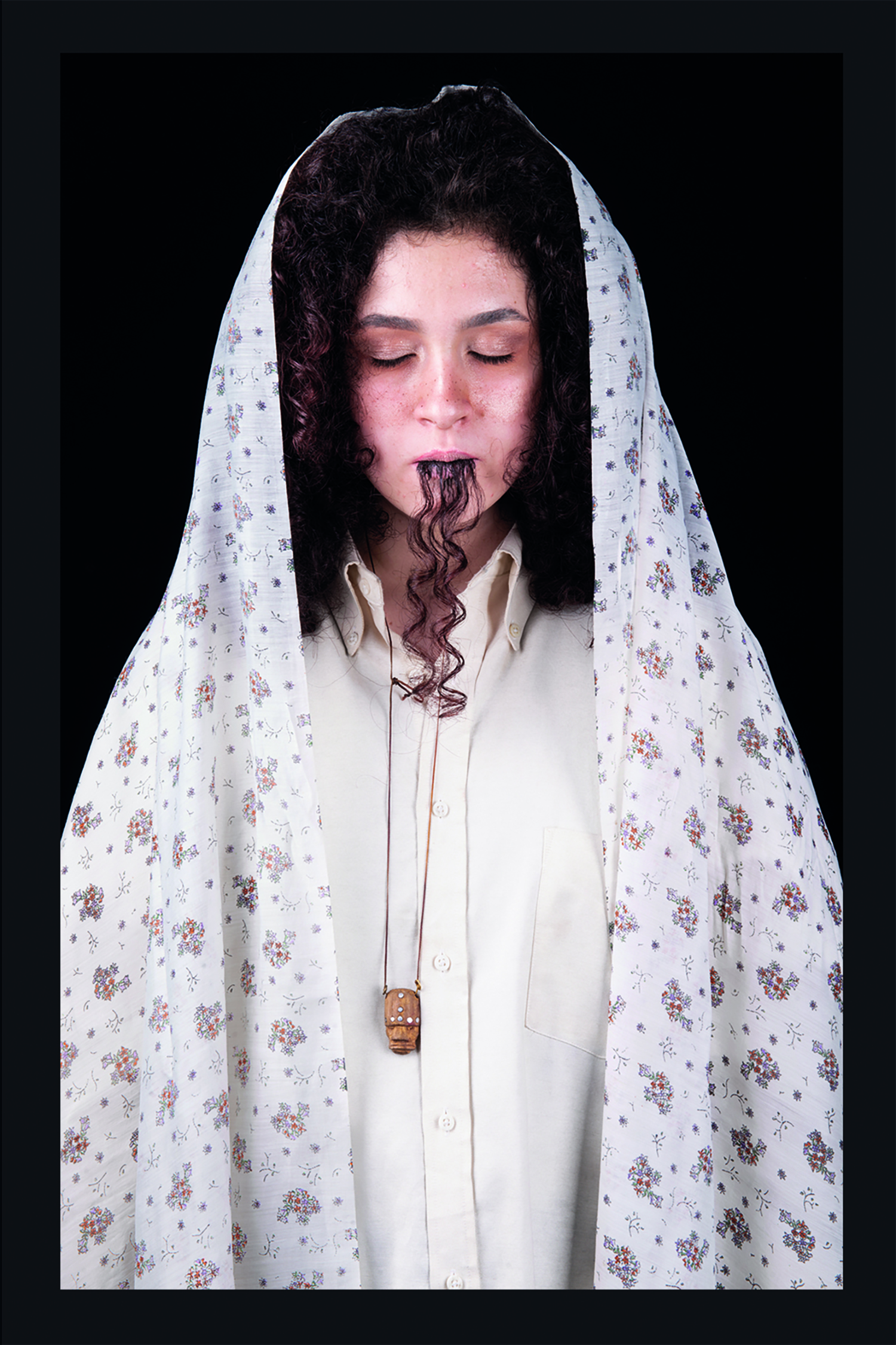
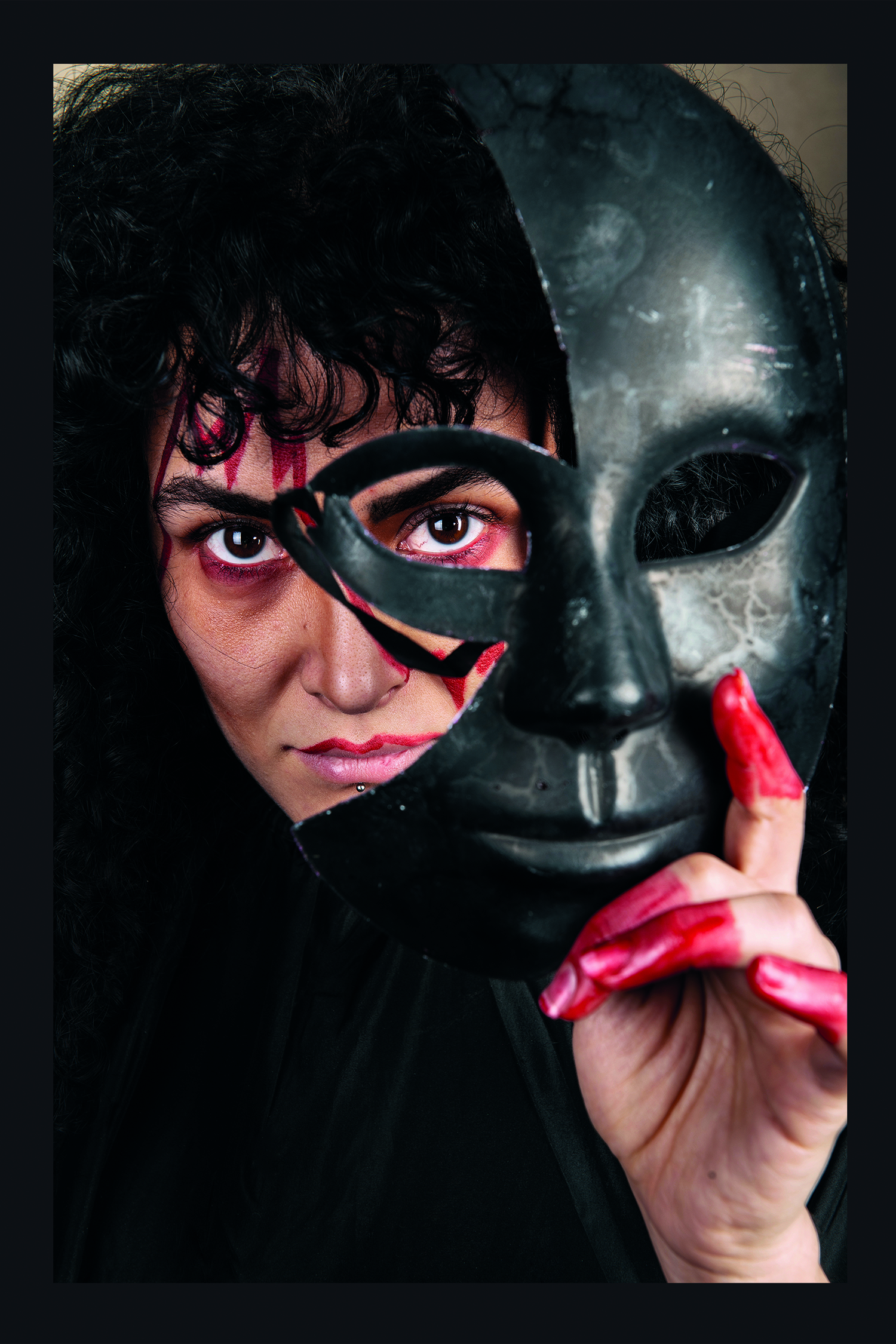
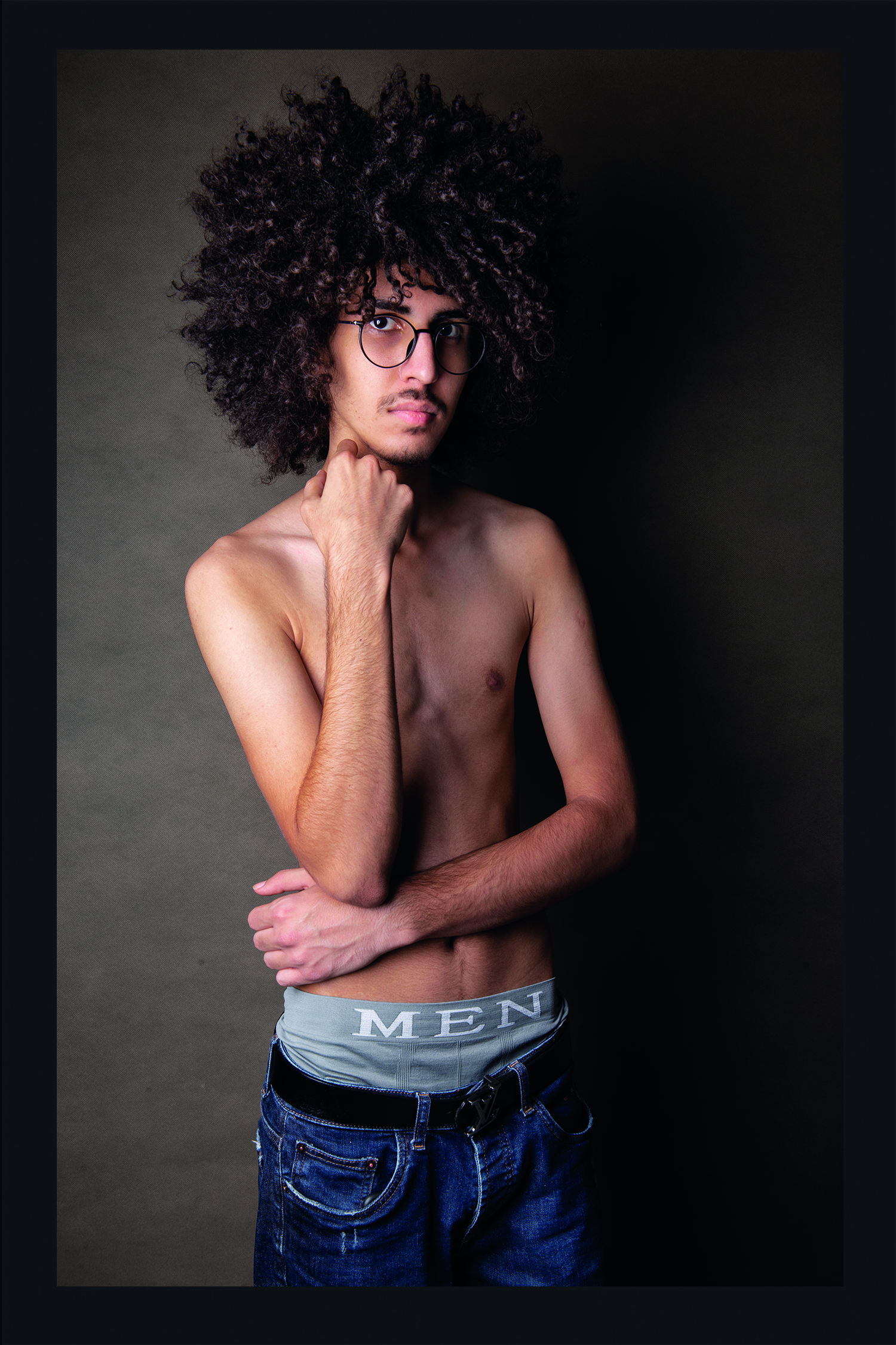
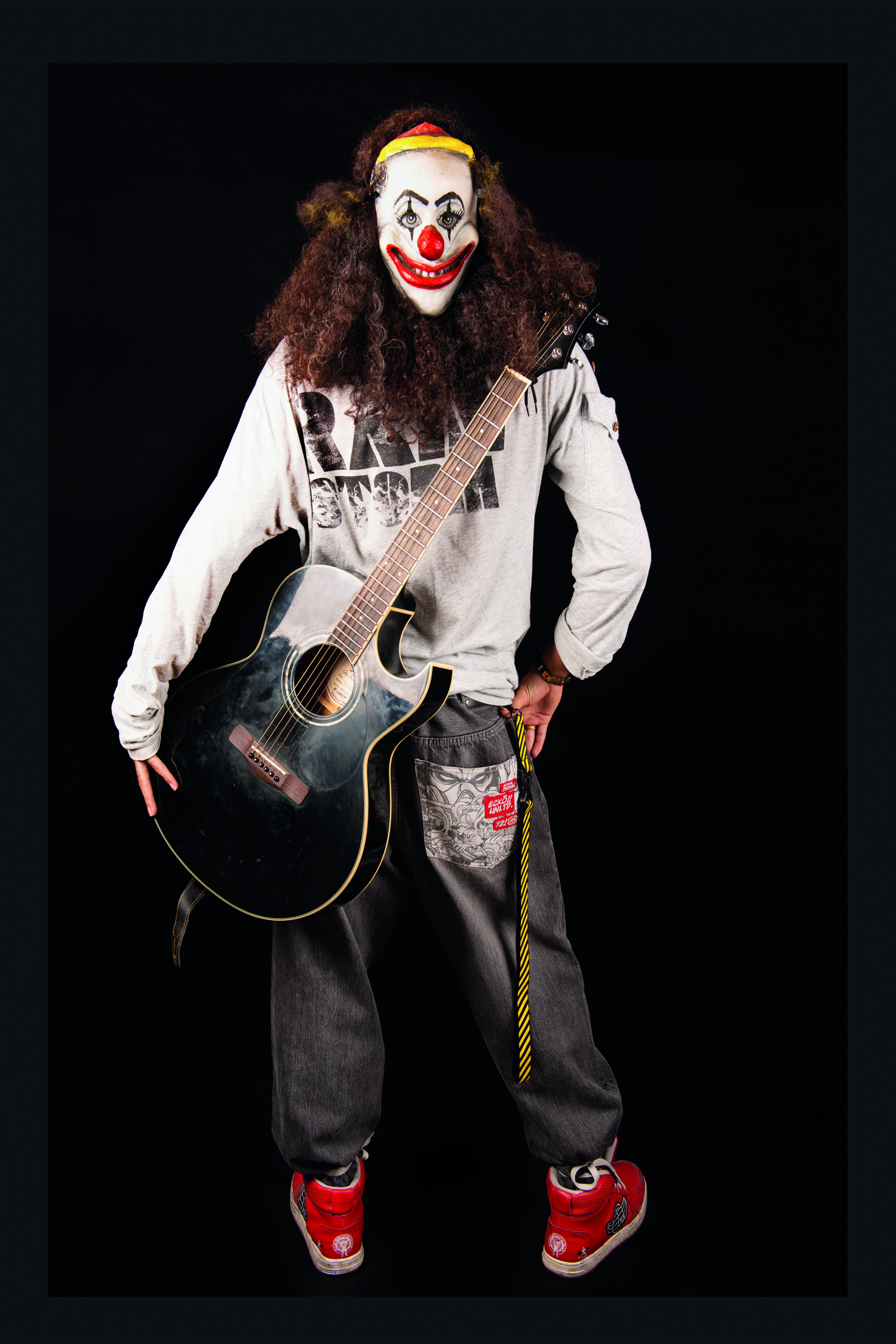
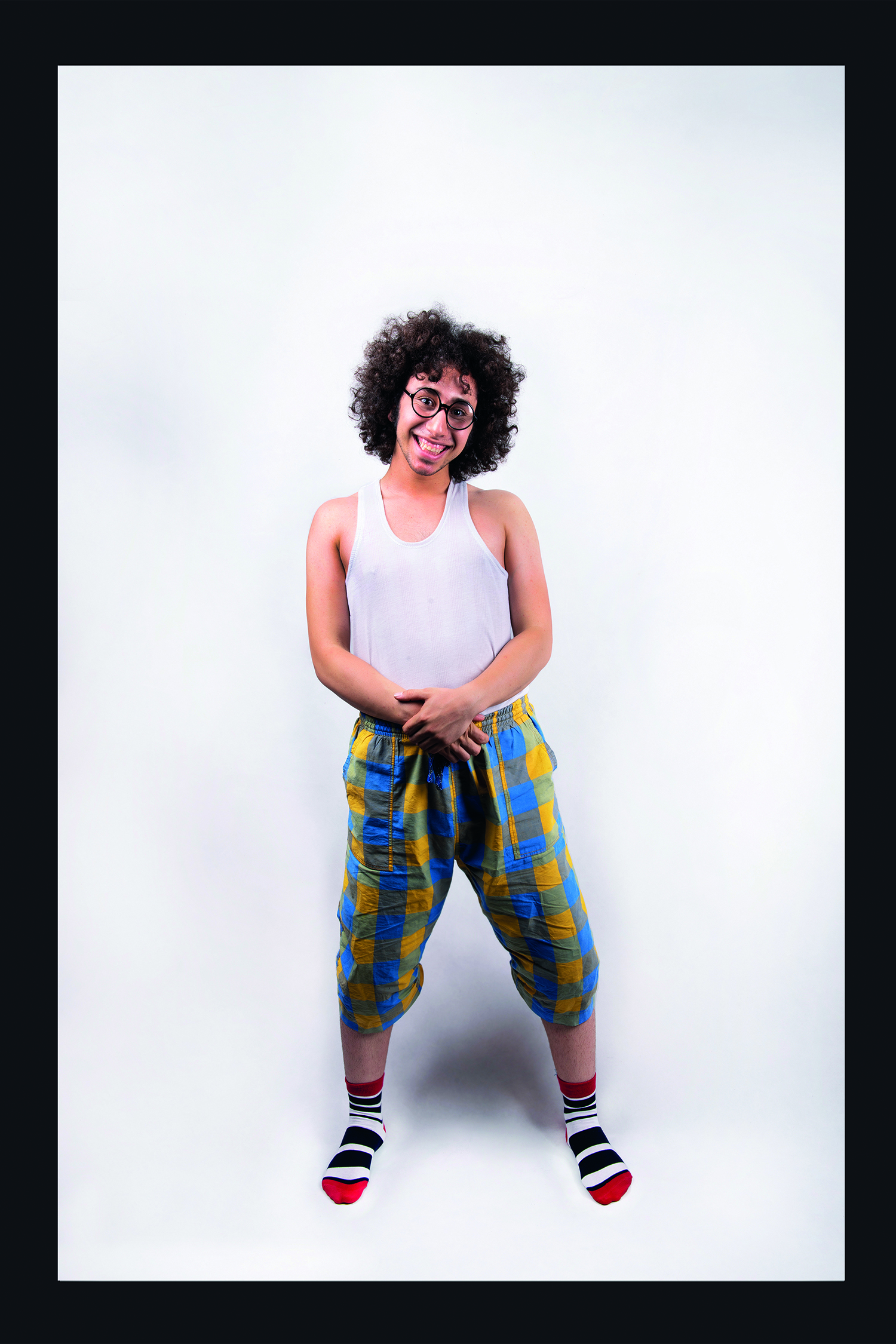
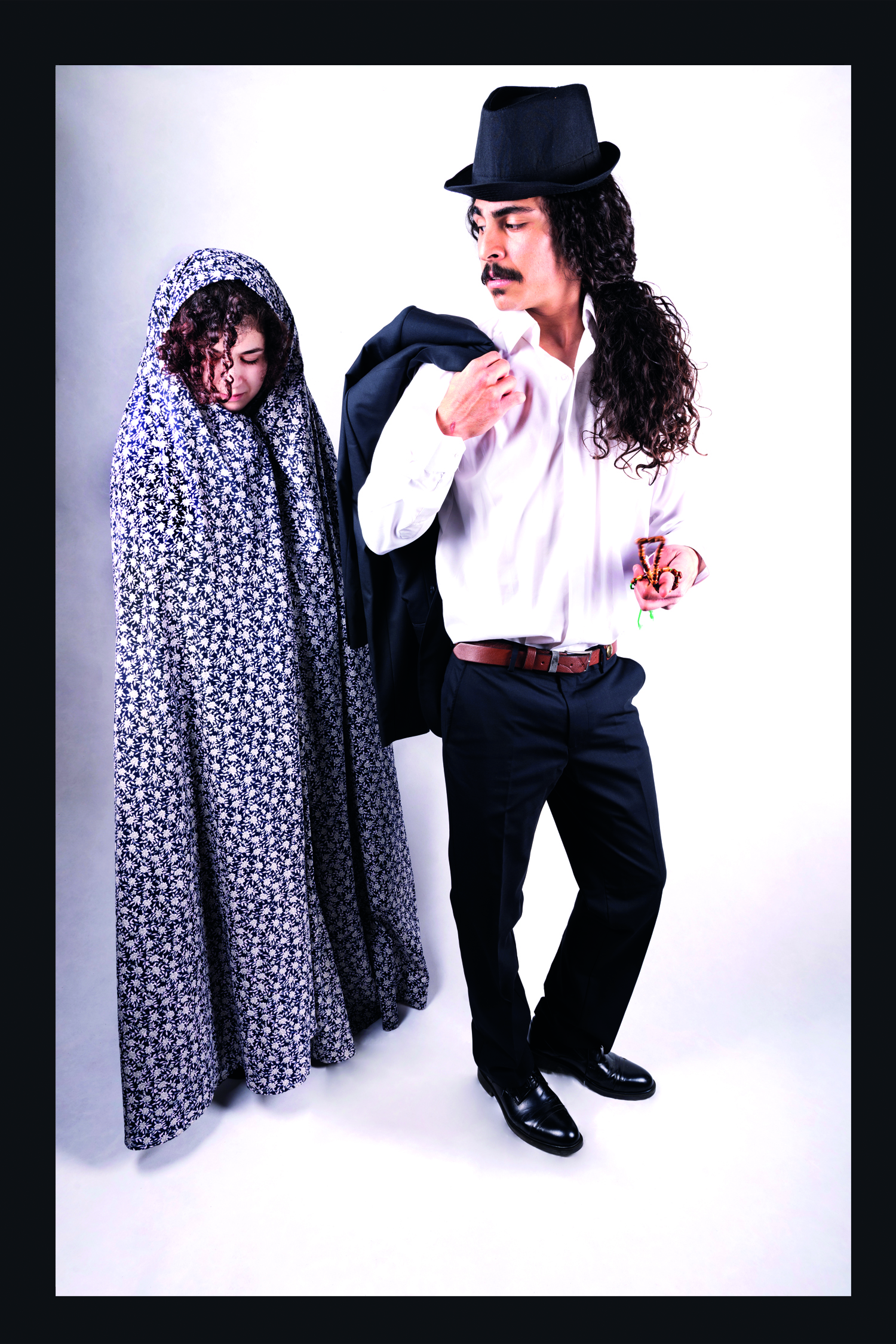
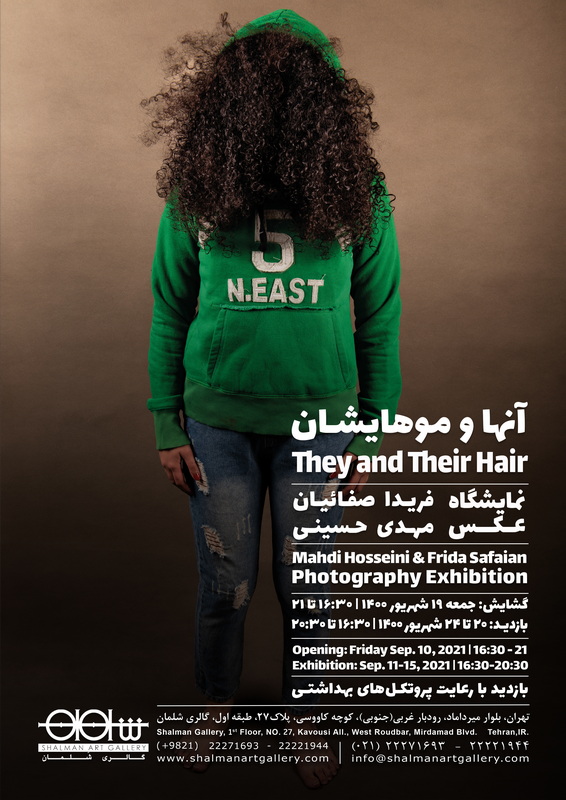
“They” make up about 15 percent of the world population. What is outstanding about them is their curly hair. This feature all by itself is neither positive nor negative. Firstly, it is something that has to do with genetics. Secondly, it can also be developed, meaning that the other 85 percent of people could change their appearance to look like the minority of curly-haired people. It can be claimed that had there been no social media such as Instagram, Telegram, etc. all around the world, it would have been highly unlikely for the subculture of that 15 percent to become universal. The reason is that they find each other on social media, get to know each other and create a network. Khordad 1st or May 22nd is chosen as day to hold a celebration for “curly hair” annually. Although “they” have chosen a day to celebrate, their human and social conditions and their upbringing have created more opportunities to gather together during the year. In these gatherings they occupy themselves with their social and generational interests such as dance, music and other forms of happiness. Their gatherings could have had many reasons but they are a result of the society that limits gatherings and friendships. However, this underground gathering because of one simple reason, hairstyle and having curly hair and turned into a subculture. People respond differently. Sometimes they make fun of them and some consider them as happy people. “They and their hair” is result of two-year-long photography of a subculture representing different decades in Iranian society. This has stemmed from their interest and their imagination. Whether it is through their personal belongings or their interest, a bond is created between them in the conflicting world of modernity, tradition and religion only to allow them to share their dreams through their hair.